You have probably rescheduled a dental appointment more than once, not because you forgot, but because the thought of sitting in that chair made your chest tighten. Sedation dentistry for anxious patients exists specifically because this kind of fear is real, common, and treatable. Nearly 36% of Americans report dental anxiety, and many of them go years without care they genuinely need.
When you find the right comfort option, something shifts. Appointments that once felt impossible become manageable. You stop losing sleep the night before. You start showing up, which means your oral health no longer slips quietly in the background.
This guide walks you through how sedation works, which treatments pair well with it, and how to prepare for your first visit using it. See Me Smile Dental pulls together practical, patient-centered guidance so you can make a decision that actually fits your life. Keep reading to learn exactly what your options look like from start to finish.
Why Dental Anxiety Feels So Hard To Push Through
Dental anxiety is not a personality flaw or an overreaction. It builds from real experiences, and once it takes root, it creates a cycle where avoidance makes the problem worse, which makes the anxiety stronger.
Common Triggers Before And During Treatment
The triggers that spike anxiety most often happen before you even sit down. The smell of a dental clinic, the sound of the drill from the waiting room, or simply filling out a health form can activate a stress response that feels physical, not just mental. Sweaty palms, a racing heart, and nausea are common physical symptoms that show up before a single instrument touches your mouth.
During treatment, the most common triggers are a sense of losing control, fear of unexpected pain, and feeling unable to communicate. The inability to speak while someone works in your mouth is one reason why simple techniques like an agreed-upon hand signal, where you raise your left hand to pause treatment, make such a measurable difference in how patients experience care.
When Fear Starts Affecting Oral Health
Skipping a dental checkup once can lead to skipping it for years, and that pattern has real consequences. Gum disease, decay, and infections do not wait. What might have been a simple filling becomes a root canal. What could have been caught at a periodontal disease prevention visit becomes a referral to a periodontist for evaluation of signs of advanced gum disease.
Dental care during pregnancy becomes harder to manage if anxiety keeps you away entirely. Pediatric dental guidance on early oral development relies on parents who feel comfortable modeling dental visits, so untreated parental anxiety can shape a child's relationship with care, too.
How Home Dental Care Fits In While You Prepare
Strong home dental care does not replace professional visits, but it buys you time and keeps things from getting worse while you build confidence toward going in. Brushing twice a day, flossing daily, and following an oral hygiene guide for kids if you have children at home keeps baseline health stable.
Use that window intentionally. Research your options, call the office with questions, and schedule a short consultation before committing to a full appointment. Coming in once just to talk, with no treatment planned, is a completely reasonable first step.
How Comfort Options Work In The Dental Chair
Sedation does not knock you out or take away your control. It reduces the physical and emotional intensity of treatment so your nervous system can stay calm enough to let care happen comfortably.
What Sedation Can And Cannot Do
Sedation lowers anxiety, reduces your awareness of discomfort, and in some cases makes time feel like it passes faster. Nitrous oxide, often called laughing gas, provides mild relaxation and wears off within minutes.
Oral conscious sedation involves taking a prescribed pill about an hour before your appointment, which creates a deeper state of calm while keeping you awake and able to respond. IV sedation delivers medication directly into a vein, allowing the dental team to adjust your level of relaxation throughout the procedure.
What sedation does not do is eliminate the need for local anesthetic. You will still receive numbing medication for any treatment that requires it. Sedation manages your anxiety; local anesthetic manages physical sensation. Reviewing sedation FAQs with your dental team before the appointment helps set accurate expectations.
Sedation also does not replace communication. You stay responsive in most methods, which means you can still signal if something feels wrong. Digital X-rays and other modern diagnostic tools are still used as usual; sedation simply makes the experience of undergoing them far less stressful.
Who May Be A Good Candidate
Most healthy adults with moderate to severe anxiety qualify for at least one form of sedation. Patients with a strong gag reflex, a low pain threshold, or a need for multiple procedures in a single visit are also strong candidates.
Your medical history matters. Certain medications, respiratory conditions, and weight considerations affect which method is appropriate. Your dental team will review this before making any recommendations. Payment options and financing are worth asking about, too, since sedation carries an additional cost that varies by method.
Questions To Ask Before Saying Yes
Bring these specific questions to your consultation so you leave with clear answers:
Which sedation level do you recommend for my anxiety level, and why?
What are the risks given my current medications and health history?
Will I need someone to drive me home, and for how long after?
How much additional cost does each option add to my appointment?
If I feel it is not working during the appointment, what happens next?
Consulting the dental glossary your practice provides can also help you understand terms that come up during that conversation without feeling lost.
Which Treatments Often Pair Well With Extra Relaxation
Sedation is not reserved for one type of procedure. Anxious patients use it across nearly every category of dental care, from routine visits to complex surgical appointments.
Preventive And Routine Visits
Routine teeth cleaning is the most skipped appointment among anxious patients, which is exactly why sedation fits it so well. A professional cleaning combined with a fluoride treatment takes less than an hour, but for someone with significant anxiety, that hour can feel impossible without support.
Dental sealants, most often placed for children but used in adults too, pair naturally with mild sedation since the process involves holding still for a focused application. Getting these preventive treatments done regularly is far less costly, both financially and in terms of health, than treating the decay they prevent.
Restorative And Endodontic Care
Composite fillings, dental crowns, and porcelain crowns are among the most common restorative treatments, and they involve enough time and sensory input to make sedation genuinely useful. How modern crown materials enhance strength means fewer follow-up visits, so getting the work done right in one well-supported appointment matters.
Root canal therapy carries an outsized reputation for being painful, which drives avoidance. In reality, the procedure relieves pain rather than causing it, but anxiety makes it hard to trust that. Knowing when to see an endodontist, especially if you notice swelling around one tooth, is critical. Sedation makes it possible to actually go in instead of waiting until an infection worsens.
Porcelain inlays and onlays, used when a tooth needs more than a filling but less than a full crown, also benefit from a calm patient who can hold still through a precise procedure.
Surgical And Urgent Appointments
Oral surgery, tooth extraction, and wisdom teeth removal are the procedures patients most commonly associate with sedation, and with good reason. These appointments involve more pressure, more time, and more post-procedure care.
If you have an emergency dental appointment, sedation may be available, depending on the treatment needed. Dental emergency FAQs often address whether sedation is an option in urgent situations. Knowing how to know when cracked enamel is a dental emergency, or the best ways to protect a chipped tooth before you can be seen, reduces the window between injury and treatment.
Cosmetic And Smile Improvement Visits
Cosmetic dentistry appointments, including teeth whitening, porcelain veneers, and dental bonding, tend to require multiple steps and careful positioning. Sedation makes it easier to stay comfortable and still through longer chair time.
How cosmetic dentistry can address chips, stains, and uneven shapes is worth exploring once anxiety no longer stands in the way of showing up. Aesthetic dentist smile harmony is a goal that becomes reachable when you are not white-knuckling every appointment.
Orthodontic Needs For Teens And Adults
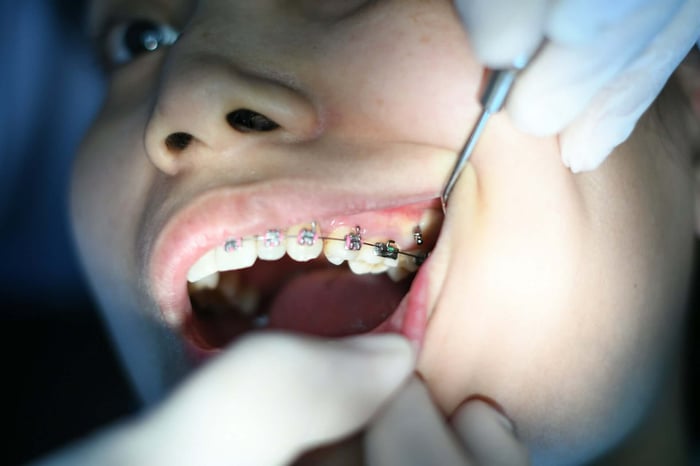
Getting fitted for InvisalignⓇ, metal braces, or porcelain ceramic braces involves impressions, measurements, and adjustment appointments that can feel overwhelming for an anxious patient. Mild sedation or nitrous oxide makes these visits easier to complete without avoidance.
Orthodontic retainers require periodic check-ins that work best with consistent attendance. Understanding what orthodontic issues braces can help improve, or how to know if your child needs early orthodontic care, becomes easier when you are actually making it to appointments.
Brace-friendly eating habits and the benefits of seeing an orthodontist for bite alignment are conversations you can only have once you are in the chair.
What To Expect Before, During, And After Your Appointment
Knowing exactly what will happen reduces a significant portion of dental anxiety on its own. Surprise is a major driver of fear, and eliminating it starts before you arrive.
How To Prepare The Day Before
If you are using oral conscious sedation or IV sedation, you will receive fasting instructions, typically no food or drink for several hours before your appointment. Follow them exactly. Eating when instructed not to can require rescheduling, which costs time and adds stress.
Arrange your transportation the day before, not the morning of. For most sedation methods other than nitrous oxide, you will need a driver, and that person should plan to stay or be reachable. Lay out comfortable clothing, confirm your appointment time, and write down any questions so you do not forget them in the moment.
If you are bringing a child to a children's dentist or family dentist for the first time, the same principle applies. Reviewing dental clinic visit expectations with them the night before in a calm, matter-of-fact way works better than day-of reassurances.
What The Visit Usually Feels Like
Your first visit with sedation will likely feel different than you expect, and that is a good thing. The team will confirm your health history, explain the process, and set up any monitoring equipment before anything begins. Most sedation methods take 15 to 30 minutes to take full effect, so the appointment typically starts with a calm waiting period in the chair.
Once sedation is active, most patients describe feeling heavy, warm, and unconcerned. Time perception changes, meaning a 90-minute appointment can feel like it lasted 20 minutes. You remain able to respond to the team, but your anxiety is significantly quieter.
Recovery, Transportation, And Follow-Up
Nitrous oxide clears your system within minutes of the mask being removed, so you can often drive yourself home after a nitrous-only appointment. Oral conscious sedation and IV sedation require someone else to drive you, and the grogginess can last several hours.
Plan for a low-key rest of your day. Most patients feel fine by the next morning. Your dental team will call within 24 to 48 hours to check in, and that call is a good time to report anything unexpected. Keep that follow-up appointment, because it matters for both your oral health and your long-term comfort with care.
A Simple Plan To Feel More In Control
Feeling in control at the dentist is not about toughening up. It comes from having a plan, communicating your needs, and knowing the team is working with you rather than around you.
A Step-by-Step Pre-Appointment Calming Routine
Use this routine starting 24 hours before your appointment:
The night before: Write down your three biggest concerns and bring them to the appointment. Name them specifically rather than letting them stay vague.
Morning of: Eat a light meal if you are not fasting, skip caffeine, and wear loose, comfortable clothes.
One hour before: Practice slow breathing for five minutes. Inhale for 4 counts, hold for 4, exhale for 4. Repeat at least 6 cycles.
In the waiting room: Use headphones with a familiar playlist or podcast. Bring a stress ball or smooth stone to hold during preparation.
In the chair: Confirm your hand signal with the team before treatment starts. Knowing you can pause at any moment lowers the fear of feeling trapped.
This routine does not require any special training. It is practical and repeatable, which is exactly what makes it useful.
How To Share Your Fears With The Dental Team
Be specific when you talk to your dental team. Saying "I am anxious" gives them less to work with than "I am afraid of the drilling sound" or "I panic when I cannot breathe through my nose." Specific information allows the team to adjust the environment, their language, or the tools they use.
You can also ask your family dentist to narrate the procedure as they go. Knowing what is happening in real time removes the element of surprise that spikes anxiety most. Ask for this directly rather than hoping they will do it automatically.
When Ongoing Support May Matter More Than Sedation
Sedation is a tool, not a cure. If your anxiety connects to a past trauma or rises to the level of a phobia, working with a therapist who specializes in medical or dental fear alongside your dental care may help more than sedation alone.
A children's dentist who specializes in anxious young patients can also set the foundation for a child who grows into an adult comfortable with care. The earlier anxiety gets addressed, the less likely it is to compound over time. Sedation dentistry and ongoing emotional support are not competing options; they often work best together.
Frequently Asked Questions
These are the questions patients most often bring to their first sedation consultation, along with honest, straightforward answers to help you feel ready before you call.
What types of sedation options are available if I feel very nervous at the dentist?
The four main options are nitrous oxide, oral conscious sedation, IV sedation, and general anesthesia. Nitrous oxide is the mildest and wears off quickly, while oral sedation involves a pill taken before your appointment for a deeper sense of calm. IV sedation and general anesthesia are reserved for more complex procedures or severe anxiety cases.
Will I be awake and aware during sedation, or will I fall asleep?
Most sedation methods keep you conscious and able to respond, but significantly reduce your anxiety and awareness of what is happening. Nitrous oxide and oral sedation leave you awake but calm, while IV sedation puts you in a deeply relaxed twilight state. General anesthesia is the only option that puts you fully to sleep.
How safe is dental sedation for someone with severe dental anxiety?
Dental sedation is considered safe when administered by a trained provider who reviews your full medical history beforehand. Your vital signs are monitored throughout the procedure, and the team adjusts dosage as needed. Sharing all current medications and health conditions before your appointment is essential for a safe experience.
What should I do to prepare for a sedation appointment, including eating and medications?
For oral conscious sedation or IV sedation, you will typically need to fast for several hours before your appointment and avoid alcohol the night before. Continue taking your regular medications unless your dental provider specifically tells you to pause one. Confirm all instructions during your pre-appointment call, since timing and preparation steps vary by sedation type.
How long does it take to recover after sedation, and will I need someone to drive me home?
Nitrous oxide clears your system within minutes, so you may be able to drive after a nitrous-only visit. Oral conscious sedation and IV sedation cause grogginess that can last several hours, so you will need a trusted adult to drive you home and stay with you for a portion of the day. Most patients feel back to normal by the following morning.
Can sedation help if I have avoided the dentist for years and need a lot of work done?
Yes, and in fact, sedation is especially useful for patients who need multiple procedures. It allows your dental team to work longer and more efficiently in a single appointment, which means you can often catch up on care faster than you might expect. Many patients who have avoided the dentist for years are genuinely surprised by how much they can accomplish in one well-supported visit.
Your Next Step Starts With One Phone Call
Dental anxiety does not have to be the reason you keep postponing care that actually matters to your health. When you understand what sedation involves, what to expect, and how to communicate your needs, the whole experience becomes far less intimidating. You deserve appointments where you feel supported, not white-knuckled.
The gap between where your oral health is today and where you want it to be is smaller than it feels. Patients who seemed to need years of catch-up work often complete the most important treatments in just a few well-planned visits. The first step is almost always the hardest and most important.
See Me Smile Dental is here to help you get there at your own pace. Book your appointment today and let the team know your concerns before you even walk through the door. You do not have to have it all figured out first; you just have to call.