You scheduled the consultation, and now the braces appointment is on the calendar. Knowing what to expect when your child gets braces can feel overwhelming, especially when you are not sure what is normal and what actually needs a call to the office. Most parents walk into this process with a mix of excitement and a long list of unanswered questions.
When you understand the process month by month, you stop reacting to surprises and start feeling like a confident partner in your child's care. That shift changes everything, from how your child handles discomfort to how smoothly the whole treatment goes. Small pieces of knowledge add up to a much calmer experience for both of you.
This guide walks you through every phase, from the first dental clinic visit and bracket placement to retainers and the bigger oral health picture that supports it all. See Me Smile Dental put this together to give you practical, honest guidance you can actually use. Keep reading because the first section answers the question most parents ask first.
How Orthodontic Treatment Begins
The path to braces usually starts earlier than most parents expect, and the type of braces your child ends up wearing depends on the specific issues your orthodontist identifies at that first evaluation.
Why An Orthodontist Recommends Braces
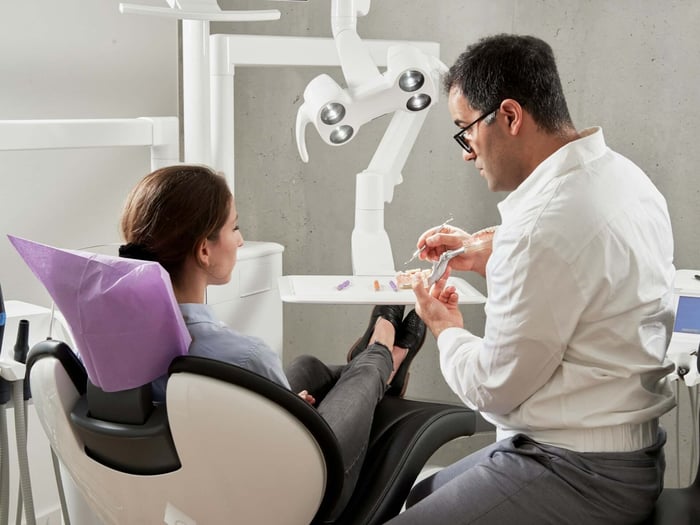
An orthodontist recommends braces when teeth, jaw position, or bite alignment cannot self-correct as your child grows. That recommendation comes after a thorough review of digital X-rays, photos, and a physical exam of how your child's teeth come together.
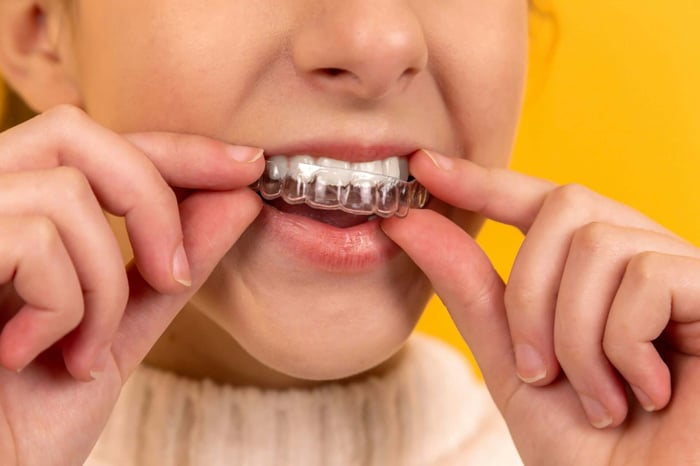
Metal braces remain the most common choice for kids because they reliably handle complex tooth movement. Porcelain ceramic braces offer a less visible alternative for older children who are more self-conscious. InvisalignⓇ is sometimes an option for teenagers with mild to moderate alignment concerns who are responsible enough to wear aligners consistently.
How To Know If Your Child Needs Early Orthodontic Care
The American Association of Orthodontists recommends a first orthodontic evaluation by age 7. At that age, a mix of baby and permanent teeth is in place, giving the orthodontist a clear view of how the bite is developing.
Pediatric dental guidance on early oral development often identifies crowding, spacing issues, or jaw discrepancies before they become harder to treat. An early evaluation does not always mean early braces. It means you have a plan, and your family dentist and orthodontist are working from the same information.
What Orthodontic Issues Braces Can Help Improve
Braces treat a wide range of problems beyond crooked teeth. Overbites, underbites, crossbites, open bites, and crowding all respond well to orthodontic treatment when started at the right time.
Speech issues caused by a misaligned bite often improve as teeth move into better positions. Crowded teeth are also harder to clean, which increases the risk of cavities and gum inflammation, so straightening them is about function as much as it is about appearance.
Benefits Of Seeing An Orthodontist For Bite Alignment
A well-aligned bite reduces uneven wear on tooth surfaces and takes stress off the jaw joints. Kids who complete orthodontic treatment often find chewing easier and experience fewer tension headaches related to jaw strain.
Your children's dentist can refer you to an orthodontist, or you can schedule a separate consultation directly. Either path gets your child the specialized evaluation their bite development needs.
The Day Braces Go On
Placement day is longer than most families expect, and knowing what happens step by step helps your child feel prepared rather than anxious when they sit down in the chair.
How Long The Appointment Usually Takes
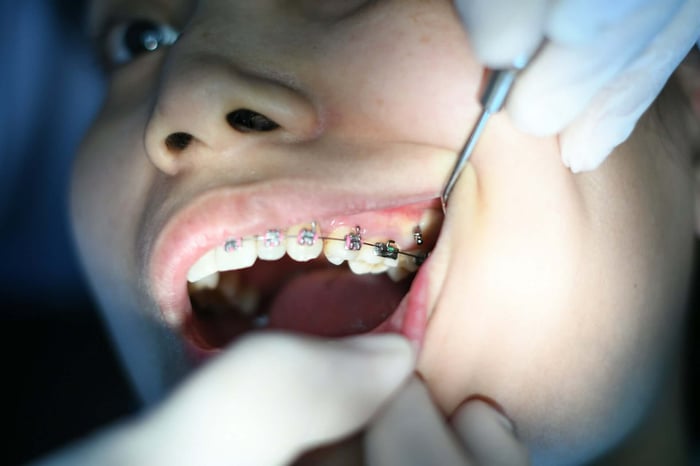
Plan for one to two hours for the placement appointment. The orthodontist cleans and dries each tooth, applies a bonding agent to hold the brackets, and then attaches the wire that connects them.
Sedation dentistry is rarely needed for routine brace placement in children, since the process is not painful. If your child has significant dental anxiety, ask about mild options at your pre-treatment dental checkup, so you have time to make a plan before the day arrives.
What Your Child Will Feel During Placement
Your child will feel pressure but not sharp pain during placement. The cheek retractors used to keep the mouth open can feel odd, and some kids notice a metallic taste from the bonding materials.
Soreness does not usually start until a few hours after the appointment, once the teeth begin responding to the new pressure from the wire. That delayed onset surprises many families, so it helps to have soft foods and over-the-counter pain relief ready at home before you even leave the office.
Questions Parents Can Ask Before Leaving
Use the last few minutes of the appointment to ask specific questions so you feel confident at home. Some useful ones include:
What foods should we avoid starting today?
How do we handle a bracket that comes loose before the next visit?
Is the soreness we notice tonight something to call about, or is it expected?
When is the first follow-up appointment, and what will happen there?
Getting clear answers to these questions during the appointment is much easier than searching for them at 9 p.m. on a school night.
The First Week At Home
The first week is the steepest part of the learning curve, and most families find that three specific challenges show up right away: physical discomfort, new eating rules, and a home care routine that suddenly feels a lot more complicated.
Soreness, Speech Changes, And Normal Adjustment
Soreness peaks around day two or three and then fades for most kids. The teeth are not used to sustained pressure, so they respond by feeling achy, especially when biting down. Over-the-counter pain relief and cold foods like yogurt or chilled applesauce help significantly during those first few days.
Some children also notice a slight lisp or change in how certain sounds come out. This is a normal part of adjusting to new hardware in the mouth and typically resolves within one to two weeks as your child's tongue adapts.
Brace-Friendly Eating Habits
The foods to cut out immediately are the ones that can bend wires or pop brackets off: hard candies, whole apples, crusty bread, popcorn, gummy candies, and anything chewy or crunchy. These are not just guidelines; breaking a bracket can lead to an unplanned visit and extend treatment time.
Stock your kitchen before the appointment with soft, satisfying options:
Scrambled eggs and soft cooked oatmeal
Bananas, soft berries, and ripe melon
Pasta, soft rice, and mashed potatoes
Yogurt, smoothies, and protein shakes
Soft fish or ground meat
Brace-friendly eating habits become second nature within a couple of weeks, but that first grocery run matters.
A Simple Home Dental Care Routine
Brushing with braces takes longer than before, and it's easy to skip spots. A soft-bristled toothbrush and fluoride toothpaste are non-negotiable. Brush after every meal, not just in the morning and at night, because food can quickly trap around brackets.
Floss threaders or orthodontic floss picks let your child clean between teeth without struggling to thread floss under the wire. Your orthodontist may also recommend a fluoride treatment or dental sealants on back teeth to protect enamel during treatment. Build the routine into morning and bedtime from day one, because it is much harder to introduce later.
Appointments, Emergencies, And Progress Checks
Adjustment visits occur every four to eight weeks throughout treatment, and the way your family handles both routine check-ins and unexpected issues directly affects how smoothly the process goes.
What Adjustment Visits Are Like
Each adjustment visit lasts about 20 to 45 minutes. The orthodontist checks tooth movement, replaces or tightens the archwire, and swaps out elastic bands if your child uses them. Your child will likely feel mild soreness for one to two days after each visit as the teeth respond to the new tension.
Consistent attendance at these appointments is one of the most important things your family can do. Skipping or rescheduling pushes the treatment timeline out because each visit builds on the progress from the last.
How Retainers Fit Into The Long-Term Plan
Orthodontic retainers are not optional after braces come off. Teeth have a memory and will shift back toward their original positions if nothing holds them in place. Most kids wear a retainer full-time for several months after treatment ends, then transition to nighttime wear.
Some children receive a fixed retainer bonded to the back of the front teeth, which removes the responsibility of remembering to wear it. Ask your orthodontist early in treatment what type of retainer is planned, so your child knows what to expect at the end and does not feel blindsided when the subject comes up.
Payment options and financing for retainers are often separate from the main treatment cost, so it helps to ask about that upfront too.
When A Broken Bracket Or Wire Needs Quick Help
A loose bracket or slightly poking wire is uncomfortable but not an emergency. Orthodontic wax pressed over the sharp spot provides immediate relief, and the office can usually fix it at the next scheduled visit.
A wire that has fully come out of the back bracket, a bracket that has completely detached, or any swelling around one tooth with warning signs like increased pain or gum redness warrants a same-day call to the orthodontic office. Knowing when cracked enamel is a dental emergency versus routine discomfort helps you make that call with confidence. If you ever have doubts, contact an emergency dentist rather than waiting it out.
What Parents Can Do To Make The Journey Easier
The most effective support you can give your child during orthodontic treatment is consistency, calm communication, and a little preparation before stressful moments hit. Small habits practiced daily make more difference than any single pep talk.
A Pre-Appointment Script For Nervous Kids
Anxiety before appointments is common, especially in the early months. Walk through what will happen before you leave home. You might say something like: "Today they are going to check how your teeth are moving. They will tighten the wire a little, and your teeth may feel sore tomorrow. We will have soup for dinner. The appointment takes about 20 minutes, and then we are done."
That kind of specific preview removes the fear of the unknown. Avoid promising it will not hurt at all, because that sets up a trust problem if it does. Instead, normalize the mild discomfort and emphasize how short the visit is.
Small Habits That Make Treatment Smoother
Keep orthodontic wax in your child's backpack, not just at home
Set a phone reminder for retainer wear once braces come off
Take monthly photos of your child's smile so you both see the progress
Restock soft foods after every adjustment appointment
Schedule the next orthodontic visit before leaving the current one
Dental care during pregnancy is worth mentioning here, too, because if a parent is expecting, hormonal changes can affect gum sensitivity, and maintaining consistent dental care models good habits for your child.
What Life After Braces May Include
When braces come off, your child's smile will look dramatically different, and that moment is genuinely exciting. The teeth will be polished, and the orthodontist will take final records to compare with the starting point.
Cosmetic dentistry options become relevant for some teens after treatment ends. Teeth whitening is popular because braces can leave slight color variations where brackets were bonded. Dental bonding can smooth a chipped or uneven tooth edge for a more finished look.
For more significant aesthetic goals, a dentist can discuss how cosmetic dentistry improves chips, stains, and uneven shapes as part of a complete smile plan. The goal is smile harmony, and orthodontics is often the foundation that makes everything else work better.
Frequently Asked Questions
These are the questions parents ask most often, from timing and anxiety to daily hygiene and soreness. Each answer gives you something practical to use right away.
What age do most kids usually get braces?
Most children get braces between ages 9 and 14, once enough permanent teeth have come in and the jaw is still actively developing. An orthodontic evaluation by age 7 helps identify issues early, even if treatment does not start until later.
How can I help my child feel calm and confident before getting braces?
Walk your child through what will happen at the appointment in specific, simple terms before you leave home. Avoid vague reassurances; instead, describe the steps and acknowledge that their teeth may feel sore afterward, so they feel prepared rather than caught off guard.
What happens during the first braces appointment, step by step?
The orthodontist cleans and dries each tooth, applies a bonding agent, attaches the brackets, and threads the archwire through them. The appointment takes 1 to 2 hours, and your child will feel pressure, not sharp pain, during the procedure.
How much soreness is normal after braces are put on, and how long does it last?
Soreness typically peaks around day two or three after placement and fades within five to seven days. Over-the-counter pain relief and soft, cold foods help manage the discomfort during that window.
What foods should my child avoid or choose during the first week with braces?
Avoid hard, crunchy, sticky, or chewy foods like popcorn, gummy candies, hard pretzels, and whole raw apples. Stick to soft options like scrambled eggs, pasta, yogurt, bananas, smoothies, and mashed potatoes until the soreness settles.
How can my child keep their teeth and braces clean at home each day?
Brush with a soft-bristled toothbrush and fluoride toothpaste after every meal, using short circular strokes around each bracket. Use floss threaders or orthodontic floss picks to clean between teeth, and rinse with a fluoride mouthwash at bedtime for extra enamel protection.
Your Child's Smile Is Worth Every Step
The braces journey is longer than a sprint but shorter than it feels in the middle of it. Month by month, you will notice real changes in your child's bite, their confidence, and their comfort with the whole process. That progress is worth every adjustment appointment and every soft-food dinner.
Staying consistent with home dental care and keeping both your regular dental checkups and orthodontic visits on schedule makes the biggest difference in how treatment goes. The families who see the smoothest results are the ones who treat it as a team effort between their child, their orthodontist, and their family dentist.
See Me Smile Dental is here to support your family at every stage, from early orthodontic questions to post-braces care. Book your appointment today and let us help your child get started on the smile they deserve.