The question of how often you should go to the dentist does not have one answer that fits every mouth, every age, or every health history. The twice-yearly rule most people grew up with actually traces back to a toothpaste advertisement, not a clinical study.
The right dental visit schedule depends on your personal risk level, your existing dental work, your age, and what your dentist finds during each exam. Some people do well with one visit a year. Others genuinely need four. Knowing which category you fall into can save you money, protect your teeth from avoidable damage, and help you make smarter decisions about your care.
This article walks through exactly what shapes your schedule, when you should book sooner than planned, and how to stay on track between appointments. The guidance here comes from the team at See Me Smile Dental, and it is practical enough to use right away. Keep reading to find your personal baseline.
Why The Six Month Rule Is Not The Whole Story
Most people accept the six-month rule without questioning where it came from or whether it fits their situation. Your recall timing should reflect your actual cavity risk, gum health, and history of dental treatment, not just a calendar habit.
What A Routine Schedule Usually Looks Like
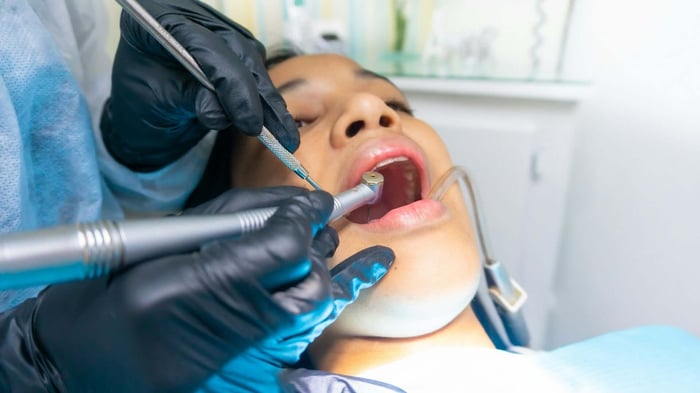
A standard dental checkup includes a routine teeth cleaning, a visual exam for decay or gum changes, and periodic digital X-rays to catch problems hidden between teeth or below the gum line. Your dentist or hygienist also checks for early signs of periodontal disease and may apply a fluoride treatment to strengthen enamel against future decay.
For most healthy adults with no active gum disease and a low history of cavities, two visits per year comfortably cover this routine. During each visit, your hygienist removes tartar buildup that brushing and flossing cannot touch at home, which is why skipping appointments lets that buildup compound over time.
When More Frequent Visits Make Sense
Some patients need to come in every three to four months, and that recommendation is based on real clinical reasoning, not an upsell. If you have active periodontal disease, your dentist may refer you to a periodontist for evaluation and recommend periodontal treatment alongside more frequent maintenance cleanings.
A deep teeth cleaning, also called scaling and root planing, removes bacteria below the gumline that a standard cleaning cannot reach, and follow-up visits confirm the tissue is responding.
Other factors that shift you into a higher-frequency category include smoking, diabetes, a history of frequent cavities, dry mouth caused by medications, and a weakened immune system. These conditions change how quickly plaque and tartar accumulate and how fast decay can progress between visits.
How Your Dentist Decides Your Recall Timing
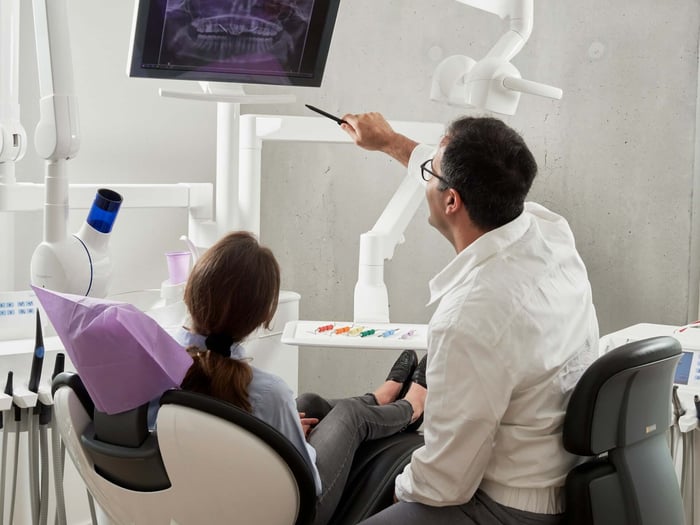
Your dentist uses several data points to set your recall interval. Gum pocket depths measured during the exam, cavity frequency over recent years, plaque index scores, and your reported home dental care habits all factor into the decision. If your numbers improve consistently, your dentist may space visits further apart. If they worsen, the schedule tightens.
This is not a guessing game. It is a structured clinical decision based on your individual risk profile, which is why asking your dentist to explain their reasoning is always fair and useful.
What Changes Your Personal Visit Schedule
Your visit frequency is shaped by factors that change throughout your life, not just by your current oral health snapshot. Pregnancy, age, past dental work, and your child's developmental stage all influence the schedule in specific ways.
Cavity Risk, Gum Health, And Past Dental Work
If you have had multiple fillings in recent years, your cavity risk is higher than average, and that alone justifies more frequent checkups. People with a history of gum disease need ongoing monitoring even after periodontal disease prevention treatment has been completed, because the condition can return without consistent maintenance.
Good home dental care, including brushing twice daily with fluoride toothpaste and flossing every day, lowers your risk score over time. Your dentist tracks this progress and adjusts your schedule accordingly. The goal is always to space visits out as far as your clinical data supports.
Dental Care During Pregnancy And Other Life Stages
Dental care during pregnancy is not optional. Hormonal changes during pregnancy increase your risk of gum inflammation and pregnancy gingivitis, which means a dental visit in the first trimester is strongly recommended. Your dentist can clean safely, check for gum changes, and flag any issues before they become more serious.
Other life stages also shift your schedule. Adults over 65 often experience dry mouth from medications, which increases cavity risk and warrants closer monitoring. Adults who undergo chemotherapy or radiation to the head and neck area need more frequent dental visits throughout and after treatment.
Kids, Teens, And Early Orthodontic Monitoring
Children benefit from seeing a children's dentist or pediatric dentist starting around their first birthday or when the first tooth appears. Early visits support pediatric dentist guidance for early oral development and give parents practical tools through an oral hygiene guide for kids that fits their child's age and stage.
Dental sealants applied to back molars during childhood can dramatically reduce the risk of cavities in the grooves where brushing misses. As your child reaches their early teen years, your dentist will begin monitoring bite and crowding patterns and may ask how to tell if your child needs early orthodontic care.
Catching these issues early often means simpler treatment later, which is why monitoring does not stop at keeping teeth clean.
When You Should Book Sooner Than Planned
Some symptoms are not worth waiting out until your next scheduled visit. Recognizing the difference between discomfort that can wait and a problem that needs attention today can protect you from a much larger treatment later.
Warning Signs You Should Not Ignore
Certain symptoms should prompt you to call your dentist within 24 to 48 hours, not at your next routine appointment.
Swelling around one tooth, particularly if it is accompanied by warmth or fever, is a warning sign of infection that can spread quickly
Persistent tooth pain that lasts more than two days and does not respond to over-the-counter pain relief
Bleeding gums that do not stop after gentle brushing
A tooth that suddenly feels loose when it never has before
A new sensitivity to hot or cold that lingers for more than a few seconds after the temperature source is removed
These are not symptoms to monitor at home. They are reasons to pick up the phone.
What Counts As A True Dental Emergency
A true dental emergency is any situation where waiting risks permanent tooth loss, spreading infection, or significant worsening of pain. A knocked-out permanent tooth is a classic example; re-implantation success drops sharply after 30 minutes, so you need to act fast.
Cracked enamel that reaches the inner layer of the tooth can expose the nerve and, if left untreated, require root canal therapy, so knowing when cracked enamel is a dental emergency matters. The best ways to protect a chipped tooth temporarily include rinsing with warm water and covering sharp edges with dental wax until you are seen.
Severe jaw pain, an abscess visible as a bump on the gum, and uncontrolled bleeding after a tooth extraction all qualify as emergencies. An emergency dentist can assess and stabilize these situations when your regular office is closed.
When A Specialist May Be The Better Fit
Not every urgent situation is best handled by a general dentist. If your dentist suspects nerve damage or infection in the root, they may refer you to an endodontist for root canal therapy.
Impacted wisdom teeth causing pain or recurring infections are typically managed by an oral surgeon through oral surgery or wisdom teeth removal. For patients with significant dental anxiety, sedation dentistry makes these procedures accessible and far less stressful.
Many practices offer sedation FAQs to help you understand what options are available before your appointment.
How Existing Dental Work Affects Follow-Up Care
Restorations and cosmetic treatments do not eliminate the need for regular dental checkups; they often make those visits even more important. Your dentist uses preventive appointments to monitor the longevity of existing work and catch small problems before they become expensive ones.
Crowns, Fillings, Bridges, And Dentures Need Monitoring
Composite fillings, dental crowns, porcelain crowns, and porcelain fixed bridges all have a lifespan and can fail without visible warning signs at home.
Your dentist checks the margins of crowns and fillings for micro-fractures and new decay at each visit, which is one of the clearest reasons a tooth might need a new crown even when it looks fine from the outside. The strength of modern crown materials has improved significantly, but even the most durable material needs to be checked regularly.
Fixed bridges require careful attention to the gum tissue underneath the pontic, the artificial tooth that fills the gap. Dentures need periodic assessment for changes in fit as your jawbone naturally shifts over time. Porcelain inlays and onlays, as well as dental bonding, also benefit from routine polishing and bite adjustments.
Implants Need Healthy Habits And Periodic Checks
Dental implants, whether single-tooth implants or all-on-4 implants, are not cavity-prone, but they are still vulnerable to gum inflammation and bone loss around the implant post. Everyday habits to protect new dental implants include avoiding hard foods that can stress the connection and maintaining consistent brushing and flossing around the implant site.
Whether your dental implant lasts long term depends heavily on the health of the surrounding tissue, which your dentist monitors at each visit.
Patients with all-on-4 dental implants often have specific questions about how all-on-4 implants support daily function and what signs you may benefit from all-on-4 implants. Routine visits are when those conversations happen, and your dentist checks the prosthetic connection and tissue health.
Cosmetic Treatments Still Benefit From Preventive Visits
Teeth whitening results last longer when surface staining is removed regularly through professional cleaning. Porcelain veneers require the same gum care as natural teeth, and gum recession around the edge of a veneer can compromise both the appearance and the seal.
How cosmetic dentistry improves chips, stains, and uneven shapes is one part of the story; keeping those results looking their best over years is where consistent preventive care plays a direct role. An aesthetic dentist who values smile harmony will always incorporate ongoing maintenance into your overall treatment plan.
How To Stay On Track Between Appointments
What you do between visits shapes what your dentist finds at your next one, and small consistent habits make a measurable difference over time. Knowing the right questions to ask and removing practical barriers to scheduling are just as important as the habits themselves.
A Simple At-Home Care Routine That Supports Fewer Problems
A practical home dental care routine does not require an extensive product list. These are the habits that consistently reduce your risk between visits:
Brush for two full minutes, twice a day, using a soft-bristled brush and fluoride toothpaste
Floss once daily, moving the floss in a C-shape around each tooth rather than snapping it straight down
Rinse with an antimicrobial mouthwash if your dentist has recommended it for gum support
Drink water throughout the day, particularly after meals, to reduce acid exposure and support saliva production
Replace your toothbrush every three months or sooner if the bristles are frayed
That is a complete routine. Adding one electronic tool, such as a water flosser, can improve results if you struggle to floss consistently.
Questions To Ask At Your Next Visit
Coming to your dental clinic visit prepared with specific questions makes the appointment more useful. Consider asking:
What is my current cavity risk level, and what is driving it?
Are there any early signs of gum disease I should know about?
Is my current recall interval still the right one for me?
Are there areas of my home care that show up in the exam?
These questions give your dentist a chance to share information they might not cover unless asked, and help you leave with a clearer picture of your oral health.
How Cost, Convenience, And Access Shape Consistency
Missing appointments often comes down to scheduling friction, cost concerns, or not knowing what to expect. If it has been a while since your last visit, understanding dental clinic visit expectations ahead of time can reduce anxiety.
Most practices offer payment options and financing that make care more accessible than many patients realize, so it is worth asking about those options before assuming a visit is out of reach.
If you are seeing a dentist for the first time or returning after a long gap, your first visit will typically include a full set of digital X-rays, a comprehensive exam, and a cleaning or a plan for one. Reviewing a dental glossary before your appointment can make the clinical language your dentist uses much easier to follow in real time.
Frequently Asked Questions
Dental visit frequency is one of the most common questions patients ask, and the answers depend more on individual factors than most people expect. These questions address what most people genuinely want to know before scheduling their next appointment.
Do most people really need dental checkups every six months?
Most healthy adults with a low history of cavities and no active gum disease do well with two dental checkups per year. That schedule allows your dentist to catch early decay, monitor gum health, and remove tartar before it causes problems. Some low-risk patients may be able to extend to once a year based on their clinical data, but that is a decision your dentist makes with you, not one to make on your own.
How often should adults schedule a routine dental visit?
Most adults should plan for at least 1 to 2 dental visits per year, with the exact frequency determined by cavity risk, gum health, and any ongoing dental work. Adults with gum disease, diabetes, or a history of frequent cavities often benefit from visits every three to four months. Your dentist sets your recall interval based on what they find at each appointment.
How frequently should you get a professional teeth cleaning?
A routine teeth cleaning every six months removes tartar from surfaces your toothbrush cannot reach and helps prevent gum disease from progressing. If you have active periodontal disease, you may need a deep cleaning followed by maintenance cleanings every 3 to 4 months. Your hygienist and dentist determine the right frequency based on your gum pocket measurements and your tissue's response to treatment.
Does having braces change how often you should see the dentist?
Yes. When you have braces or aligners, plaque builds up more easily around brackets and wires, which increases your risk of cavities. Your regular dental checkups should continue on schedule throughout orthodontic treatment, separate from your orthodontic adjustment appointments. Many orthodontists and family dentists coordinate care to make sure nothing falls through the gap.
What do dentists consider when recommending your visit schedule?
Your dentist reviews your dental history, gum pocket depths, plaque levels, existing restorations, overall health, and your home dental care routine. These data points together form your risk profile, which determines whether you need visits every three months, every six months, or once a year. The recommendation is not arbitrary; it reflects your specific clinical picture.
How can you keep your teeth healthy between dental appointments?
Brushing twice a day for two full minutes, flossing daily, and drinking water consistently throughout the day are the three habits that make the biggest difference between visits. Avoiding frequent sugary snacks and drinks reduces acid exposure on enamel. Staying consistent with these habits means your dentist finds less to address at each visit, which can eventually allow your recall interval to lengthen.
Your Personalized Dental Care Plan Starts With Consistent Visits
The right answer to how often you should go to the dentist depends on your oral health, risk factors, and stage of life. A schedule tailored to your needs helps protect your smile, supports long-term comfort, and makes it easier to address small concerns before they grow into larger ones.
At See Me Smile Dental & Orthodontics, we take a personalized approach to preventive care. With a family-focused environment and modern diagnostic tools, we help you understand your oral health and create a visit schedule that fits your needs and goals.
Whether you are due for a routine checkup or have questions about your recommended recall interval, staying consistent with care supports a healthier smile for years to come. Request an appointment for guidance tailored to your needs and to help you stay on track with confidence.