Watching your child deal with a cavity is frustrating, especially when you feel like you did everything right. You reminded them to brush, you cut back on sugary snacks, and yet the dentist still finds a problem spot on a back molar. Dental sealants for kids offer a targeted solution by physically sealing off the grooves where most childhood cavities actually form.
When those hard-to-reach chewing surfaces are protected, the risk of decay in molars drops dramatically. Children without sealants are nearly three times more likely to develop molar cavities than children who have them, and that gap in protection shows up fast once the permanent teeth come in around age six.
This article gives you a clear picture of how sealants work, when they make sense for your child, and what the appointment actually looks like. The team at See Me Smile Dental put this guide together to help you feel confident heading into your next dental checkup. Keep reading, and you will have everything you need to make a smart, informed decision for your child's smile.
Why Molars Need Extra Protection
Molars have deep pits and grooves that make them the most cavity-prone teeth in your child's mouth. Sealants block bacteria and food from settling into those grooves, and knowing when to use them and how they compare to fluoride helps you build a smarter prevention plan.
How Sealants Shield Deep Grooves
The chewing surfaces of back teeth are not smooth. They have narrow fissures that a toothbrush bristle cannot fully reach, which means plaque builds up there even when your child brushes well. A sealant is a thin plastic-like coating that fills and covers those grooves, creating a flat, easy-to-clean surface.
Once hardened, the sealant acts as a physical barrier. Bacteria and food particles no longer have a place to sit and produce the acid that causes decay. According to the CDC, sealants can prevent up to 80% of cavities in molars during the first two years after placement.
Who Benefits Most From Early Placement
Children with deep-groove anatomy, a history of cavities in baby teeth, or limited access to consistent home dental care gain the most from early sealant placement. Pediatric dental guidance on early oral development consistently identifies molars as the highest-risk teeth between ages 6 and 14.
Kids who eat a lot of starchy or sugary foods are also strong candidates, as are children who struggle with brushing technique. Your family dentist can evaluate groove depth and cavity risk at a routine dental checkup and recommend sealants based on what they actually see, not just age alone.
How Sealants Compare With Fluoride
Fluoride treatment strengthens tooth enamel by remineralizing the surface, making it more resistant to acid. Sealants, on the other hand, block acid from reaching the surface in the first place. The two approaches work differently and complement each other well.
Your children's dentist may recommend both at the same visit, since fluoride protects all tooth surfaces while sealants focus specifically on the deep chewing grooves of molars and premolars. Neither one replaces brushing and flossing, but together they address the most common causes of childhood tooth decay from two separate angles. A solid oral hygiene guide for kids usually includes both as part of a layered prevention strategy.
What Happens At The Appointment
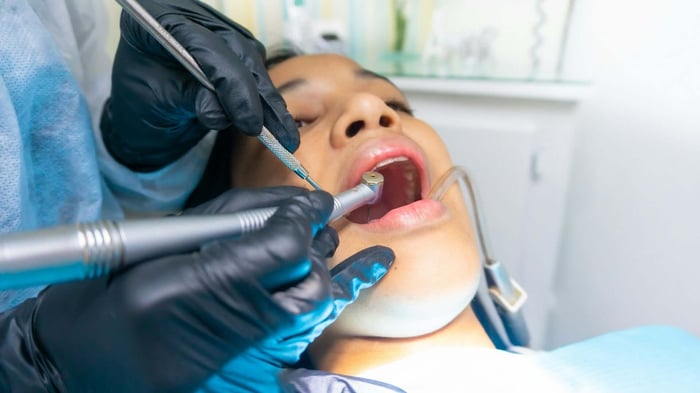
A sealant appointment is quick, straightforward, and comfortable enough that most kids handle it without any anxiety once they know what to expect. The process takes about 30 to 45 minutes, with no drilling or numbing required.
Step By Step During Placement
The appointment starts with a routine teeth cleaning to remove any plaque or debris from the chewing surfaces. Clean, dry teeth bond to the sealant material much more reliably, so this step is not skipped.
Here is the typical sequence your child will experience:
The dentist or hygienist dries each tooth using cotton rolls or a small air puff.
A mild acidic gel is applied to the chewing surface for a few seconds, then rinsed off. This etches the enamel slightly so the sealant grips firmly.
The tooth is dried again, and the liquid sealant is painted into the grooves.
A small curing light hardens the sealant in about 30 to 60 seconds per tooth.
The dentist checks your child's bite to make sure nothing feels off.
Digital X-rays may be taken before the appointment to confirm there is no existing decay hiding beneath the surface. Sealants should never be placed over an active cavity.
Does It Hurt Or Need Numbing
Sealant placement does not involve any cutting, drilling, or removal of tooth structure, which means local anesthetic is not needed for most children. The etching gel may feel slightly gritty or taste a little sour, but it does not hurt.
If your child has significant dental anxiety, your dentist may discuss sedation options. Sedation dentistry is available for children who need extra support, and the team can walk you through sedation FAQs if that becomes relevant. For most kids, though, the appointment feels more like a cleaning than anything else.
How Long Sealants Usually Last
With good home dental care, sealants typically last between five and ten years. They do not last forever, so your child's dentist will check them at every dental checkup for chips, cracks, or worn areas.
If a sealant partially wears off, it can be repaired or replaced at a follow-up visit. A sealant that is fully intact provides continuous protection, but one that has partially broken down loses some of its barrier function. Catching that early at a scheduled exam keeps the protection continuous.
When Sealants Make Sense For Your Child
Timing matters more than most parents realize, and so does your child's specific cavity risk and dental development. A child's orthodontic situation can also shift the ideal window for placement.
Best Ages For Baby Teeth And Permanent Teeth
The most common window for sealant placement is between ages six and twelve. The first set of permanent molars typically arrives around age six, and the second set comes in around age twelve. Placing sealants soon after each molar fully erupts gives the most protection during the highest-risk years.
Sealants can also be placed on baby teeth in some cases. If a child has deep grooves in primary molars and a documented history of early cavities, your children's dentist may recommend sealants even before the permanent teeth arrive. Baby teeth hold space for permanent ones, so keeping them healthy matters for long-term oral development.
Cavity Risk Signs Parents Should Watch
You do not need to wait for a cavity to appear before asking about sealants. There are specific signs that point to elevated risk:
White spots on teeth, which are early signs of mineral loss before a cavity forms
Visible dark pits or grooves on the chewing surfaces of molars
Multiple fillings already in place, which suggests a cavity-prone pattern
Frequent snacking, especially on crackers, chips, or sticky foods
Inconsistent brushing habits, even with parental reminders
If you notice any of these patterns, bring them up at the next dental clinic visit. Your dentist can assess the actual groove depth and recommend the right timing.
How Braces And Bite Issues Can Affect Timing
If your child is heading toward orthodontic treatment, the timing of sealant placement deserves a conversation with your dentist. Metal and porcelain ceramic braces make it harder to clean the chewing surfaces of the back teeth, which can increase the risk of cavities during treatment.
In some cases, your dentist may recommend placing sealants before orthodontic treatment begins to protect molars during the months or years that braces are in place. Once the braces come off and orthodontic retainers are fitted, the dentist will check whether the sealed surfaces are still intact. Benefits of seeing an orthodontist for bite alignment extend beyond aesthetics, as correcting crowding also makes teeth easier to keep clean over the long term. A bite issue that crowds the back teeth can make groove cleaning even harder, which is one reason your family dentist and orthodontist may coordinate on timing.
How To Care For Sealed Teeth At Home
Good home habits protect the sealant itself, not just the tooth underneath it. A few specific behaviors significantly extend protection, and knowing when something feels wrong helps you act before a small issue turns into a bigger one.
Daily Habits That Help Sealants Last
Brushing twice daily with a soft-bristled toothbrush is still essential even after sealants are placed. Sealants protect the chewing grooves, but the sides and gumline of each tooth remain exposed, and plaque buildup in those areas can still lead to decay or gum problems over time.
Flossing once a day removes debris from between teeth where sealants cannot reach. Using a fluoride toothpaste adds another layer of mineral protection to the broader enamel surface. These home dental care habits work alongside the sealant rather than replacing the need for it.
Foods And Behaviors That Can Wear Them Down
Some habits put extra stress on sealants and shorten how long they last:
Chewing ice creates sharp impact pressure that can crack or dislodge a sealant
Eating very hard foods like hard candies or crusty bread regularly adds wear
Sticky foods like fruit snacks or caramel can grip the sealant surface and pull at it
Clenching or grinding teeth at night accelerates sealant wear faster than normal chewing
If your child grinds their teeth, mention it at the next dental checkup. A dentist can evaluate whether a night guard is appropriate and check sealant condition more frequently.
When To Call The Office About A Problem
Contact the dental office if your child mentions that a sealed tooth feels rough, sharp, or different when they bite down. That change in texture often means a sealant has chipped or partially lifted, and the exposed groove needs attention.
Swelling around one tooth is always worth a call, since it can be a warning sign of infection or advanced decay, even when a sealant appears intact. If your child reports pain specifically on a sealed molar, do not wait for the next routine visit.
An emergency dentist visit may be needed if swelling or sharp pain appears suddenly, and dental emergency FAQs can help you decide how quickly to act. Knowing how to know when cracked enamel is a dental emergency gives you a framework for those judgment calls.
Frequently Asked Questions
What are dental sealants for kids?
Dental sealants are thin protective coatings placed on the chewing surfaces of back teeth. They fill in deep grooves where food and bacteria often collect, making those areas easier to keep clean. Sealants help lower the risk of cavities in molars and premolars.
At what age should my child get dental sealants?
Most children benefit from sealants when their first permanent molars come in around age six and again when their second permanent molars erupt around age twelve. Some children with a higher cavity risk may also benefit from sealants on certain baby teeth. Your dentist can recommend the right timing based on your child's dental development.
Do dental sealants hurt?
No, sealant placement is typically comfortable and does not require drilling or numbing. The tooth is cleaned, prepared with a special solution, and coated with the sealant material before it is hardened with a curing light. Most children describe the visit as similar to a routine dental cleaning.
How long do dental sealants last?
Dental sealants often last between five and ten years with proper care. During regular dental checkups, your dentist will examine them for wear, chips, or areas that may need repair. Replacing or touching up a worn sealant is usually quick and simple.
Are dental sealants better than fluoride treatments?
Dental sealants and fluoride treatments serve different purposes and work well together. Fluoride strengthens enamel across all tooth surfaces, while sealants physically protect the deep grooves where cavities commonly form. Using both can provide more complete cavity prevention for growing smiles.
How should my child care for teeth with sealants?
Your child should continue brushing twice a day, flossing daily, and attending regular dental visits. Limiting habits like chewing ice or frequently eating very hard or sticky foods can help sealants last longer. If a sealed tooth feels rough, sharp, or uncomfortable, request an appointment so it can be evaluated and kept protected.
Protecting Growing Smiles From Cavities in Santa Barbara
Helping your child avoid cavities starts with simple preventive steps that protect teeth before problems develop. Dental sealants offer an effective way to shield vulnerable molars, making it easier for your child to maintain a healthy smile as they grow.
At See Me Smile Dental & Orthodontics, we take a family-focused approach to preventive care and help you choose treatments that fit your child's unique needs. By evaluating cavity risk, tooth development, and daily habits, we can recommend the right timing for sealants and other preventive services.
Giving your child extra protection today can support healthier teeth for years to come. Request an appointment or call our Santa Barbara office at (805) 335-1443 to learn whether dental sealants are the right choice for your child's long-term oral health.