Feeling unsure about what happens during an appointment that meets dental clinic visit expectations for comfortable, modern care is more common than you might think. Whether you're overdue for a checkup or visiting a new office in Santa Barbara, not knowing what to expect can make the experience feel stressful.
At See Me Smile Dental & Orthodontics, we focus on making your visit feel calm, clear, and supportive. You'll notice a difference through gentle care, modern tools, and a team that explains each step in simple terms.
In this guide, you'll learn what happens before, during, and after your visit, along with how modern care improves your experience. By the end, you'll feel more confident walking into your next appointment and ready to take a simple step toward a healthier smile.
What Happens During a Typical Appointment
A standard dental appointment usually follows a pretty familiar flow: check-in, a thorough exam, cleaning, and maybe some diagnostic steps like digital X-rays. Knowing what's ahead can help you feel a little more in control.
Check-In, Paperwork, and Waiting Room Flow
When you show up, the front desk team greets you and has you fill out or update your paperwork. They'll ask about your medical history, current meds, insurance, and anything you want to mention to the dentist.
If you're new, expect this to take around 10 to 15 minutes. Lots of offices now have online forms you can fill out at home, which honestly saves some hassle. These days, waiting areas tend to have comfortable seating, calming décor, and sometimes even a coffee or water station.
Exam, Cleaning, and Diagnostic Steps
Once they call you back, a hygienist usually starts with a cleaning. They'll remove plaque and tartar, polish your teeth, and floss.
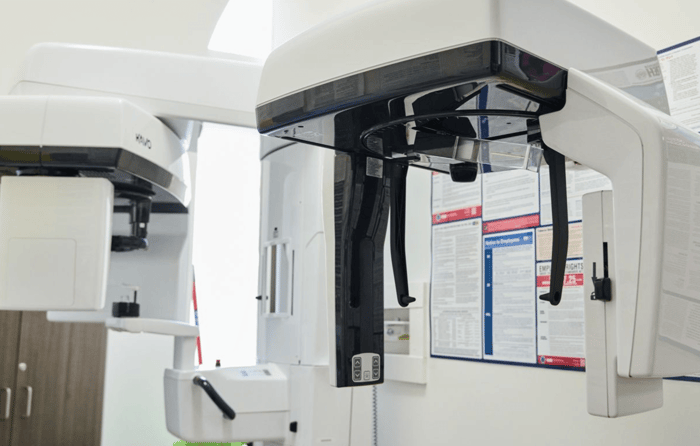
After cleaning, the dentist checks your teeth, gums, tongue, and soft tissues. Digital X-rays might be part of the process. They show up on a screen almost instantly and use way less radiation than those old film X-rays.
Common Follow-Up Recommendations
If the dentist spots a cavity, you'll probably get scheduled for a filling, sometimes right then, sometimes later. Other common recommendations are fluoride treatments, sealants, or deeper cleanings if your gums need extra care.
You'll get a clear explanation of what's needed, what it'll cost, and how long it might take. Don't be shy about asking questions.
How Modern Care Makes Visits More Comfortable
Dental visits have gotten so much better. The tools are faster, quieter, and way less intimidating than they used to be.
From digital imaging to laser treatments, the whole field focuses on precision and making things as comfortable as possible.
Digital Imaging and Intraoral Cameras
Digital X-rays are a major upgrade. They give you sharp images in seconds and expose you to a lot less radiation.
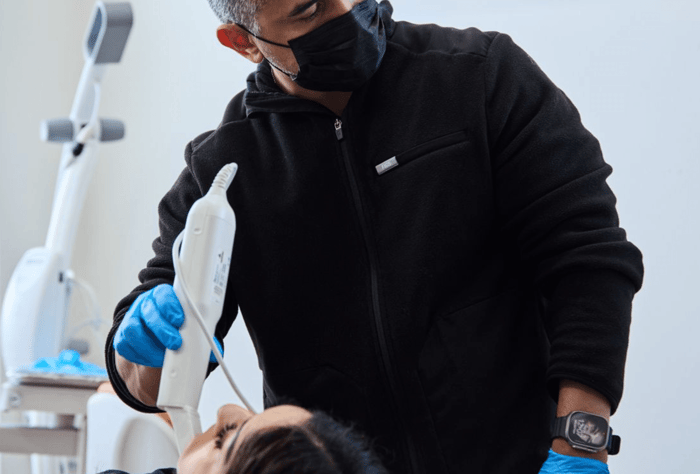
Intraoral cameras, those little pen-sized gadgets, snap high-res photos inside your mouth. Your dentist can show you what's going on right there on a screen, which is actually pretty cool. It's easier to understand your own dental health when you can see what they're talking about.
Laser Dentistry and Minimally Invasive Treatment
Laser dentistry allows dentists to treat gum disease, remove decay, and perform soft tissue care with less bleeding and swelling. Recovery times are shorter, and many people find they don't need much, if any, anesthesia.
Minimally invasive techniques mean less drilling, smaller incisions, and faster healing. You keep more of your natural tooth, and it just feels better afterward.
Why Updated Tools Improve the Dental Experience
When a dental practice invests in new tech, you're the one who benefits. Procedures go quicker, results are more accurate, and the whole experience feels less stressful.
Some of the perks of modern dental tools:
Shorter appointments
Less discomfort
Better accuracy
Easier communication with visual aids
Fewer repeat visits
All of this makes it easier to keep up with your dental care.
Managing Anxiety and Pain With Confidence
Dental anxiety is a real thing. Somewhere around 15 to 20 percent of people deal with it, and it's one of the main reasons folks avoid the dentist. Luckily, there are proven ways to help you feel calmer and more comfortable.
What Triggers Dental Anxiety
Pain is the big fear for most people. Past experiences, the sound of tools and needles, or just feeling out of control, all play a part.
Some people feel embarrassed about their teeth, which adds to the stress. It's completely normal, and a good dental team won't judge you for it.
Local Anesthesia and Numbing Options
Dentists usually use local anesthesia to manage pain. A quick injection numbs the area, so you shouldn't feel anything sharp or intense.
Many offices now use computer-guided anesthesia systems, which deliver the numbing agent slowly and precisely. That means less pinch and pressure. They'll often use a numbing gel first, too.
Sedation Choices Including Nitrous Oxide
If local anesthesia doesn't calm your nerves enough, there are sedation options. Here's a quick look:
Sedation Type | How It Works | Recovery Time |
Nitrous oxide (laughing gas) | Breathe it in through a small mask; you’ll feel relaxed and calm | Just a few minutes, you can usually drive yourself home |
Oral sedation | Take a prescribed pill beforehand for moderate relaxation | A few hours, you’ll need someone to drive you home |
IV sedation | Delivered through a vein for deeper relaxation, usually for longer or more complex procedures | Several hours, bring a companion to drive you |
Chat with your dentist about what feels right for you and your procedure.
What a Patient-Centered Office Should Feel Like
A truly patient-centered office puts you first. Your needs, your comfort, and your questions matter. The way the team communicates and the feel of the office say a lot about the care you'll get.
Communication, Transparency, and Pace of Care
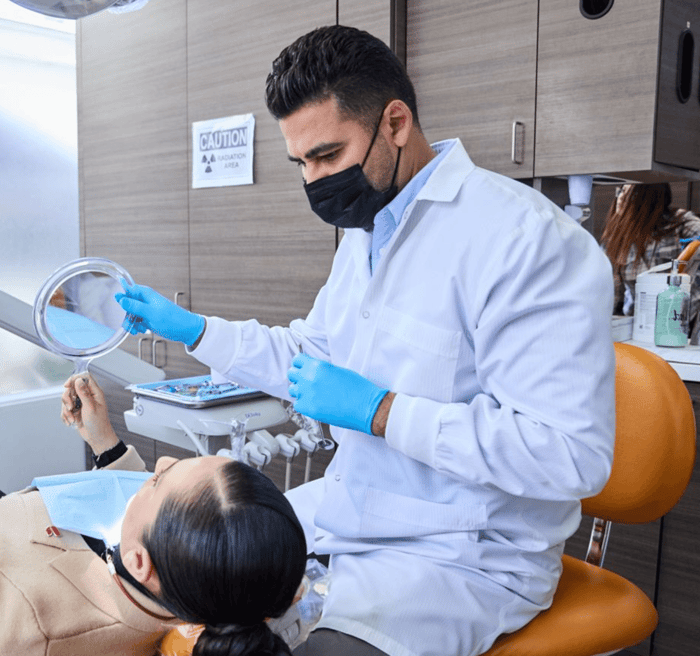
You should feel listened to from the moment you walk in. A good dental team explains each step before it happens, answers your questions in plain English, and checks in with you during procedures.
They're upfront about costs, treatment options, and timing. If they suggest something, you deserve to know why and what your choices are. The pace should match your comfort level, with breaks whenever you need them.
Comfort Features That Support a Positive Visit
Little things matter. Many offices now offer touches that help you relax:
Blankets and neck pillows
Noise-canceling headphones or music
TVs above the chair
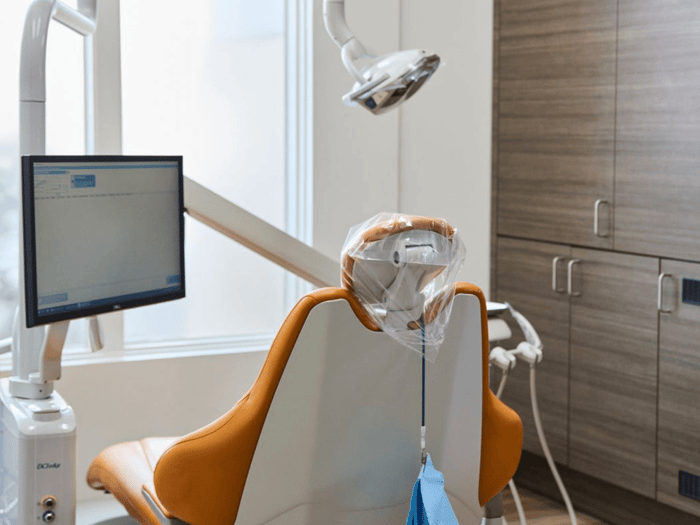
Warm, soft lighting instead of harsh fluorescents
Beverage stations in the waiting room
These aren't just nice extras. They show the practice cares about your experience.
How Staff Attitude Shapes the Overall Experience
The attitude of the staff can make or break your visit. From the front desk to the hygienist to the dentist, every interaction counts.
Look for a team that listens, doesn't rush, remembers your preferences, and treats you with genuine warmth. When you find that, you'll notice the difference right away.
How to Prepare for a Smoother Visit and Recovery
A bit of prep can make a big difference in how your appointment goes. Whether it's a routine cleaning or something more involved, these tips can help.
Questions to Ask Before You Arrive
Having a few questions ready helps you feel more in control. You might ask:
What's going to happen during my appointment?
How long will I be there?
Should I avoid eating or drinking beforehand?
What are the costs, and will my insurance cover it?
Are sedation options available if I need them?
Call ahead or use the online portal to get answers. It saves time and reduces surprises.
Ways to Make the Appointment Less Stressful
Try to schedule your visit at a time when you won't feel rushed. Mornings work for many people since waiting all day can make anxiety worse.
Practice slow, deep breathing if you're nervous. Inhale for three seconds, hold for four, and exhale for five. Bring headphones and a playlist or podcast you like. If it helps, ask a friend or family member to come along for support.
Aftercare Expectations and When to Call the Office
After a cleaning, your mouth might feel a bit sensitive for a day or so. If you had a filling or another procedure, your dentist probably gave you specific aftercare instructions.
Try to follow those instructions as closely as you can.
Contact the office if you experience any of the following:
Pain that gets worse instead of better after 48 hours
Swelling that doesn't go down
Bleeding that won't stop
A filling or crown that feels loose or falls out
Fever or signs of infection
If you're unsure, it's always better to reach out. Staying in touch with your dental team helps you catch small issues before they turn into bigger problems.
Your Comfortable Dental Visit Starts in Santa Barbara
When you understand your dental clinic visit expectations for comfortable, modern care, the entire experience feels more manageable and less stressful. Clear communication, updated tools, and a supportive environment all work together to help you stay consistent with your oral health. That consistency leads to fewer surprises and a smile that feels better over time.
At See Me Smile Dental & Orthodontics, we combine modern technology with a gentle, patient-first approach. You'll experience care that respects your comfort, explains every step clearly, and supports your long-term dental health in a way that fits your life.
Taking the next step is simple when you know what to expect and feel confident about your care. Request an appointment today to enjoy a smoother, more comfortable visit designed around you.
Frequently Asked Questions
What should I expect during a dental clinic visit for comfortable, modern care?
You can expect a smooth, step-by-step experience that includes check-in, a cleaning, an exam, and possibly digital x-rays. Modern care focuses on comfort, clear communication, and efficient tools that make each step easier. Most visits feel quicker and more relaxed than people expect.
How long does a typical dental clinic visit take?
Most routine visits take about 45 minutes to an hour. The exact time depends on whether you need x-rays, a cleaning, or additional care. Many offices use modern technology to keep appointments efficient without rushing your experience.
Are modern dental visits really more comfortable than before?
Yes, modern dental visits feel much more comfortable thanks to quieter tools, faster imaging, and gentler techniques. Dentists also focus more on your comfort with supportive communication and options to reduce sensitivity. This approach helps you feel more at ease throughout your visit.
What if I feel nervous about my dental appointment?
Feeling nervous is common, and dental teams are trained to help you feel comfortable. They explain each step, check in often, and can offer numbing or relaxation options if needed. Simple techniques like deep breathing or listening to music can also help you stay calm.
Will I feel pain during a dental procedure?
Most procedures involve little to no pain because dentists use local anesthesia to numb the area. You may feel light pressure, but you should not feel sharp discomfort. If anything feels uncomfortable, you can let the team know right away so they can adjust.
What happens after my dental appointment?
After your visit, you may notice mild sensitivity, especially after a cleaning or minor treatment. Your dentist will give you clear aftercare instructions to help you recover comfortably. Following these steps helps you protect your results and avoid future issues.
How can I prepare for a comfortable dental clinic visit?
You can prepare by asking questions ahead of time, arriving a little early, and planning your visit at a calm time of day. Bringing headphones or practicing slow breathing can also help you relax. If you're ready for a smoother experience, schedule your visit online.