You rinse, spit, and notice a streak of pink in the sink. That moment of "is this normal?" is exactly why so many people search for "why do gums bleed when brushing" and end up more confused than when they started. Bleeding gums are not something to dismiss, but they are also not automatically a reason to panic.
When your gums bleed consistently during brushing, it almost always means your gum tissue is inflamed, and inflammation is something you can address once you know what is driving it. The difference between a quick fix and a longer road often comes down to how early you catch the problem and what you do next.
This article walks you through the most common causes of bleeding gums, the warning signs that mean it is time to call a dentist, and a daily routine that actually helps. The guidance here comes from See Me Smile Dental, and by the time you finish reading, you will have a clear picture of what your gums are trying to tell you.
What Bleeding Gums Usually Mean
Most cases of bleeding gums trace back to either gum inflammation or the progression of that inflammation into something more serious. Knowing where you fall on that spectrum shapes every decision you make about your care.
Plaque Buildup And Early Gum Inflammation
Plaque is a sticky film of bacteria that forms on your teeth every single day. When it sits along the gumline without being disrupted by brushing or flossing, it triggers an immune response in the surrounding tissue.
That response causes the gums to become red, swollen, and more prone to bleeding. This stage is called gingivitis, and it is reversible with consistent home dental care and a routine teeth cleaning at your dental clinic. The tissue has not broken down yet, which means your window to act is still open.
What Is Periodontal Gum Disease
When gingivitis goes untreated, it can progress into periodontal disease. At that stage, the infection moves below the gumline and begins to damage the connective tissue and bone that anchor your teeth.
Periodontal disease does not always hurt, which is part of what makes it dangerous. You may notice bleeding, chronic bad breath, or gums that appear to be pulling away from your teeth. Periodontics treatment at this stage often involves a deep teeth cleaning, also called scaling and root planing, to remove bacteria from below the gumline. Your dentist may also refer you to a periodontist for more targeted care depending on how far the disease has progressed.
Periodontist Evaluation Signs For Gum Health
A periodontist evaluation goes deeper than a standard checkup. Using probing measurements and digital imaging, a periodontist can map exactly how much tissue and bone loss has occurred and identify pockets where bacteria are actively causing damage.
Signs that suggest a periodontist evaluation makes sense include gums that bleed every time you brush, teeth that feel loose, or pockets measuring 4mm or deeper. Periodontal disease prevention becomes much harder once bone loss has begun, so early evaluation is almost always worth it when symptoms persist beyond two weeks of improved home care.
Common Triggers You Might Be Overlooking
Gum disease is not the only reason your gums might bleed, and some of the most common triggers are changes you can correct at home today. Certain life stages and dental appliances also increase your risk in ways most patients do not realize until they are already experiencing symptoms.
Brushing Too Hard Or Using The Wrong Tools
A toothbrush with stiff bristles scrubs away more than plaque. It also creates tiny abrasions in the delicate tissue along your gumline, and those micro-cuts bleed. Pressing down hard while brushing compounds the problem because the added pressure does not clean any better; it just causes more damage.
Switch to a soft-bristled brush and use short, circular strokes rather than a back-and-forth scrubbing motion. An oral hygiene guide for kids often emphasizes this technique first because children tend to press hard instinctively, but adults fall into the same habit just as often.
Flossing Changes, Braces, And Retainers
If you have recently started flossing after a long gap, your gums will bleed for the first few days. That is inflammation in response to disruption, not injury, and it typically settles within a week with consistent daily flossing.
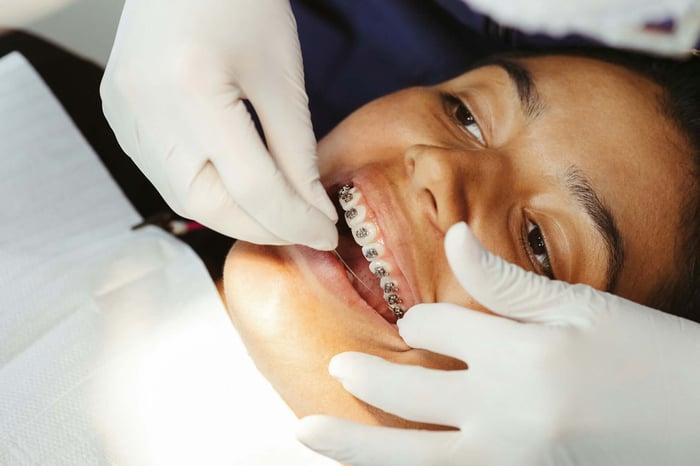
Orthodontic appliances such as InvisalignⓇ, metal braces, porcelain ceramic braces, and orthodontic retainers create hard-to-clean areas where plaque accumulates more quickly. That buildup pushes directly against the gum tissue, which is why many people notice more bleeding during active orthodontic treatment.
Asking your provider about brace-friendly eating habits and specific cleaning tools for your appliance can make a real difference in keeping your gums stable throughout treatment.
Hormones, Medications, And Dental Care During Pregnancy
Elevated estrogen and progesterone during pregnancy increase blood flow to gum tissue and amplify the inflammatory response to bacteria. This means even a small amount of plaque can trigger significant bleeding, a condition commonly called pregnancy gingivitis.
Dental care during pregnancy is not only safe but strongly recommended, because leaving gum inflammation untreated can have broader health effects.
Certain medications, including blood thinners, some blood pressure drugs, and anticonvulsants, also affect gum tissue or reduce your body's ability to control bleeding. If you started a new medication around the same time your gums began bleeding, mention it at your next dental checkup so your provider can factor it in.
When Blood At The Sink Signals Something More Serious
Most bleeding gums respond to better oral hygiene and a professional cleaning, but some situations call for more immediate attention. Knowing the difference between routine inflammation and a dental emergency can help you act at the right time rather than waiting too long.
Swelling Around One Tooth Warning Signs
Bleeding from a specific spot, especially when accompanied by swelling, pressure, or a bad taste, often indicates a localized infection. Swelling around one tooth is one of the clearest warning signs that an abscess may be forming beneath the gumline or inside the tooth itself.
An emergency dentist visit is the right call when swelling appears alongside fever, difficulty swallowing, or pain that does not ease with over-the-counter medication. Dental emergency FAQs consistently identify swelling as one of the most time-sensitive symptoms because infections can spread quickly into the jaw and neck.
How To Know When Cracked Enamel Is A Dental Emergency
A crack in a tooth does not always hurt right away, but it creates a direct pathway for bacteria to reach the pulp and the surrounding gum tissue. You might notice bleeding near a specific tooth, sensitivity to temperature, or sharp pain when you bite down and then release.
Knowing how to know when cracked enamel is a dental emergency often comes down to whether the crack extends below the gumline.
A surface crack can sometimes be managed with bonding or a crown, while a crack that reaches the root may require a different approach entirely. The best ways to protect a chipped tooth involve avoiding hard foods on that side and calling your dentist promptly rather than waiting to see if it gets worse.
When To See An Endodontist
When infection or injury reaches the pulp inside a tooth, a general dentist will often refer you to an endodontist. Root canal therapy addresses the source of the infection by removing the damaged pulp tissue, which stops the bacterial spread that was inflaming the surrounding gums.
Knowing when to see an endodontist usually comes down to specific symptoms: prolonged sensitivity to heat or cold, darkening of the tooth, or a small pimple-like bump on the gum near the tooth.
Digital X-rays help confirm whether the infection is confined to the pulp or has already spread to the surrounding bone, which shapes the treatment plan. Delaying care when those signs are present typically results in a more complex procedure or the eventual need for oral surgery, tooth extraction, or wisdom teeth removal.
A Daily Routine To Calm Irritated Gums
The right home routine can reverse early gum inflammation within a few weeks, but only if each step is done consistently and correctly. Combining that routine with professional support at the right intervals closes the gap between what you can do at home and what your gums actually need.
A Step-By-Step Home Dental Care Routine
A solid home dental care routine does not have to be complicated. Follow these steps twice daily, every day:
Brush for two full minutes using a soft-bristled toothbrush and fluoride toothpaste, using gentle circular motions at a 45-degree angle to the gumline.
Floss once daily, guiding the floss in a C-shape around each tooth and easing it gently below the gumline rather than snapping it down.
Rinse with an antibacterial mouthwash to reduce the bacterial load left behind by brushing and flossing.
Rinse with warm salt water once a day if your gums are currently inflamed, as it helps soothe tissue without disrupting healing.
Replace your toothbrush every three months or sooner if the bristles are visibly splayed, because worn bristles clean less effectively.
Stay consistent for at least two weeks before expecting visible improvement. Gum tissue heals gradually, not overnight.
Products And Treatments That Can Help
Fluoride treatment strengthens enamel and also helps reduce the bacterial environment that leads to gum disease. Fluoride toothpastes and professional fluoride applications at your dental clinic address both concerns simultaneously.
Dental sealants are typically discussed for children, but the logic behind them reflects a broader truth: blocking areas where bacteria accumulate prevents the chain reaction that leads to gum inflammation. For patients who struggle with bleeding despite good brushing habits, discussing targeted product options with your family dentist gives you a more customized approach than guessing at the drugstore.
When A Professional Cleaning Is The Missing Step
Home care removes plaque, but it cannot remove tartar, the hardened mineral deposits that form when plaque is not disrupted consistently. A routine teeth cleaning removes tartar from above and just below the gumline, which is often the single step that allows inflamed gums to finally heal.
When inflammation has progressed further, a deep teeth cleaning targets bacteria in the pockets that have formed between the gums and the teeth. Some patients feel anxious about these procedures, which is where sedation dentistry options are worth discussing with your dentist.
How Dentists Treat The Underlying Cause
Treating bleeding gums means finding and fixing whatever triggered the inflammation in the first place, not just managing the symptom. Depending on what is driving the problem, treatment can range from a simple filling to a full restorative plan.
From Composite Fillings To Dental Crowns
A cavity that reaches close to the gumline creates a rough surface where bacteria accumulate, which feeds gum inflammation near that tooth. Placing a composite filling or a dental crown removes that bacterial trap and allows the gum tissue to heal against a smooth, clean margin.
How modern crown materials enhance strength has significantly changed the conversation around crowns. Porcelain crowns now match natural tooth color while offering durability that supports long-term gum health around the restoration. Reasons a tooth might need a new crown include a failing old restoration with poor margins, which can harbor bacteria directly at the gum edge.
Replacing Missing Teeth And Stabilizing Your Bite
A missing tooth changes how neighboring teeth sit in the jaw, shifting bite pressure and potentially causing gum tissue to recede or become irritated in unexpected areas. Replacing that tooth stabilizes the bite and removes the mechanical stress that was contributing to bleeding.
Options range from porcelain fixed bridges to single-tooth implants and all-on-4 dental implants for patients who have lost multiple teeth. How all-on-4 implants support daily function is a common conversation for patients who have been dealing with loose or missing teeth for a long time, and signs you may benefit from all-on-4 implants include significant bone loss or a full arch of compromised teeth.
Will your dental implant last? The honest answer is that everyday habits to protect new dental implants, including consistent brushing, flossing, and dental checkups, are the biggest factor.
Gum Procedures And Restorative Options
When gum disease has caused significant tissue loss, soft tissue grafting can rebuild the protective layer around exposed tooth roots. The procedure takes healthy tissue, often from the roof of the mouth, and places it where recession has left the root vulnerable.
For patients who require tooth extraction due to an unresolvable infection or advanced bone loss, planning the replacement early prevents the bone changes that can complicate future implant placement. Dentures remain a practical solution for broader tooth loss and can be designed to fit precisely enough to avoid the gum irritation that comes with ill-fitting appliances.
Protecting Your Smile Long Term
Once your gum health is stable, you have a real opportunity to build on that foundation rather than simply maintaining it. Cosmetic and preventive choices made after gum health improves tend to last longer and deliver better results.
How Cosmetic Dentistry Fits After Gum Health Improves
Cosmetic dentistry works best on a healthy foundation. Teeth whitening, porcelain veneers, porcelain inlays and onlays, and dental bonding are all designed to enhance a smile that is structurally and periodontally sound. Attempting cosmetic work while active gum inflammation is present often leads to uneven results because swollen tissue shifts as it heals.
Cosmetic dentistry can address chips, stains, and uneven shapes in a straightforward process when gum health is stable. An aesthetic dentist can assess smile harmony with your tooth proportions, gum line symmetry, and natural color to create a result that looks consistent rather than piecemeal.
Questions To Ask At Your Next Visit
Walking into a dental clinic visit with specific questions gets you better answers than a general "how does everything look?" Consider asking:
"Are there any pockets deeper than 3mm, and what does that mean for my treatment?"
"Is my bleeding related to technique, inflammation, or something systemic?"
"What would a preventive plan look like over the next year for someone with my history?"
"Do I need a referral to a periodontist, or can this be managed here?"
Your first visit after a long gap may feel overwhelming, but the expectations for a dental clinic visit are simple: your provider wants to understand your history, take baseline measurements, and build a plan with you, not lecture you.
Planning Care With Cost And Convenience In Mind
A clear treatment plan is easier to follow when you understand what it costs and how it fits your schedule. Most dental practices offer payment options and financing that let you break larger treatment plans into manageable steps so you are not choosing between your financial comfort and your health.
Orthodontics FAQs and a dental glossary are practical tools when navigating new terminology or treatment recommendations for the first time. If you are not sure where to start after reading all of this, a simple phone call to request a consultation can get a real conversation started.
Frequently Asked Questions
Bleeding gums raise a lot of questions, especially when symptoms do not seem to fit the usual explanations. These answers address the specific scenarios patients ask about most often.
What vitamin or mineral deficiency can cause gums to bleed?
Vitamin C deficiency weakens the collagen that holds gum tissue together, making it fragile and prone to bleeding. Vitamin K deficiency impairs the body's ability to form blood clots, so minor gum irritation can cause more visible bleeding than it should. If your diet is low in fresh fruits, vegetables, or leafy greens, both deficiencies are worth discussing with your doctor or dentist.
Is it normal to see blood when brushing if there's no pain?
No, it is not normal, even without pain. Gum disease is frequently painless in its early stages, which is one reason it goes undetected for so long. Blood without pain is still a sign of inflammation, and inflammation left unaddressed progresses whether or not it hurts.
What's the fastest way to stop bleeding gums right away?
Apply gentle pressure with clean gauze, rinse with warm saltwater, and avoid brushing that area again for a few hours. These steps manage immediate bleeding but do not address the underlying cause, so you still need to follow up with your dentist if the bleeding recurs.
Why might I spit blood when I brush my teeth?
Spitting blood while brushing is almost always a sign that gum tissue is inflamed or injured at the gumline. The most common causes are plaque buildup leading to gingivitis, brushing too hard, or using a toothbrush with medium or hard bristles. If it happens consistently over more than one to two weeks, it is time to book a dental checkup.
Why would my gums start bleeding even when I'm not brushing or flossing?
Spontaneous gum bleeding, meaning bleeding that occurs without any brushing or contact, is a stronger signal than bleeding during brushing. It can point to advanced gum disease, a blood clotting disorder, uncontrolled diabetes, or, in rare cases, a systemic condition that requires medical evaluation. Do not wait on this one; contact your dentist or doctor promptly.
Can bleeding gums be a sign of something serious like cancer or leukemia?
In rare cases, yes. Leukemia can cause bleeding gums because it reduces the number of blood-clotting cells. Certain oral cancers can also present with unexplained bleeding. These are uncommon causes, but they are the reason persistent bleeding that does not respond to improved oral hygiene deserves a professional evaluation rather than just a home remedy.
Your Gums Are Telling You Something Worth Listening To
Bleeding gums are one of the clearest early warning systems your body has for oral health problems. The good news is that most cases are caught and resolved before they reach serious territory, especially when you take action within the first two weeks of noticing symptoms.
Your daily routine matters more than any single product or treatment. Brushing gently with a soft-bristled toothbrush, flossing consistently, and keeping up with routine teeth cleanings give your gums the environment they need to stay healthy. When those habits are not enough on their own, professional care fills the gap.
If your gums have been bleeding and you are ready to find out exactly what is driving it, See Me Smile Dental is here to help you get clarity and a real plan. Book your appointment today and take the first step toward firm, pink, healthy gums.