That sharp zing when you sip an iced drink or bite into a cold piece of fruit is hard to ignore. If you find yourself flinching at cold temperatures and wondering, "Why are my teeth sensitive to cold?" you are definitely not alone. Cold sensitivity is one of the most common complaints people bring to a dental clinic visit, and it has very specific causes that are worth knowing about.
Some causes are simple to manage at home. Others need a dentist's attention before they turn into something bigger. Either way, the discomfort you feel is your mouth signaling that something needs a closer look.
This article walks you through the biology behind cold sensitivity, the most common triggers, warning signs that need urgent care, and the treatment options your family dentist at See Me Smile Dental may recommend. Reading through to the end gives you a clear picture of what to do next, whether your first visit to the dentist is long overdue or just around the corner.
How Cold Sensitivity Happens Inside A Tooth
Cold sensitivity is not random. It follows a very predictable path through your tooth's structure, which is exactly why identifying the cause makes treatment so much more effective.
The Role Of Enamel, Dentin, And Nerves
Your tooth has three main layers working together to protect the nerve at its center. The outermost layer, enamel, is the hardest substance in your body. It acts as a thermal shield, slowing down temperature changes before they reach deeper layers.
Directly under the enamel sits dentin, a softer layer filled with thousands of microscopic channels called dentinal tubules. These tubules connect to the nerve inside the tooth's pulp. When enamel wears down, or gum tissue pulls back, dentin becomes exposed, and cold temperatures travel through those channels directly to the nerve, producing that sharp, electric jolt you feel.
The nerve itself lives in the pulp, the soft inner core of the tooth. A healthy tooth with intact enamel rarely lets cold reach the pulp quickly enough to cause pain. Exposed dentin changes that entirely, which is why enamel protection is so central to any conversation about sensitivity.
Why Exposed Roots Can Trigger Sharp Pain
The root of your tooth has no enamel protecting it. Roots are covered by a thinner material called cementum, which offers far less thermal protection than enamel does. When gum tissue recedes and exposes even a small portion of the root, that area responds intensely to cold air, cold water, and cold food.
Root exposure is common in people who brush with too much pressure, those who have had gum disease, or anyone who has experienced trauma to the gum line. Even a millimeter or two of exposed root can cause significant discomfort that feels disproportionate to how small the exposed area looks.
How Digital X-Rays Help Find Hidden Problems
Some causes of cold sensitivity are not visible during a regular visual exam. A cavity between teeth, a hairline fracture, or early bone loss beneath the gumline can all cause sensitivity without any outward signs. That is where digital X-rays become an important diagnostic tool.
X-rays reveal decay hiding under old fillings, show how much bone supports each tooth root, and can flag structural problems that would otherwise go undetected for months.
Common Reasons The Pain Starts Suddenly Or Gets Worse
Tooth sensitivity rarely appears without a reason. Whether the trigger is a structural change, a gum problem, or something you did intentionally to improve your smile, knowing the specific cause points you directly toward the right fix.
Cavities, Composite Fillings, And Dental Crowns
A cavity creates a direct pathway into the dentin layer, and cold is often the first sensation that exposes early decay. You might feel sensitivity in a specific tooth, which is a meaningful clue. Widespread sensitivity across multiple teeth usually indicates enamel erosion, while a single sensitive tooth often points to a cavity or crack.
Composite fillings can temporarily increase sensitivity after placement. The tooth responds to the bonding process and the slight adjustment in bite pressure. This kind of sensitivity typically settles within one to two weeks. If it persists or gets worse, the filling may need adjustment or the decay may have been closer to the nerve than expected.
Dental crowns address situations where a tooth is too damaged for a simple filling. How modern crown materials enhance strength matters here because well-fitted crowns effectively seal out temperature changes.
A crown that fits poorly or has a small gap at the margin can actually trap cold and worsen sensitivity rather than relieve it. Knowing the reasons a tooth might need a new crown helps you recognize when your current crown may no longer be doing its job.
Gum Recession And What Is Periodontal Gum Disease
Gum recession exposes root surfaces that were never meant to be exposed to cold air or cold liquids, which is why receding gums and cold sensitivity so often appear together. The recession can happen gradually, making it easy to miss until the sensitivity becomes impossible to ignore.
What is periodontal gum disease? It is a bacterial infection of the gum tissue and the bone supporting your teeth. Periodontal disease prevention starts with daily brushing and flossing, but once the disease takes hold, professional periodontics treatment is needed to stop further bone and tissue loss. A periodontist evaluation, including signs of gum health, gives your care team a baseline to track whether the recession is stable or progressing.
Untreated gum disease is one of the fastest routes to significant root exposure and escalating cold sensitivity. Catching it early through routine dental checkups keeps your options open and your treatment simpler.
Teeth Whitening, Dental Bonding, And Other Cosmetic Changes
Cosmetic dentistry improves chips, stains, and uneven shapes, but some procedures temporarily increase sensitivity in the process. Teeth whitening products, both professional and over-the-counter, open the dentinal tubules slightly to lift stain molecules. That opening is what causes the zing you feel during or right after whitening treatment.
Professional whitening sensitivity usually resolves within 24 to 48 hours. Over-the-counter whitening strips used too frequently can cause more prolonged discomfort. Talking to an aesthetic dentist about smile harmony and the best whitening approach for your specific enamel thickness helps you brighten your smile without weeks of discomfort.
Dental bonding uses a resin material applied directly to the tooth surface and can cause short-term sensitivity as the tooth adjusts. The sensitivity is typically mild and short-lived, but let your dentist know if it lingers past a week.
Orthodontic Pressure From Invisalign Or Braces
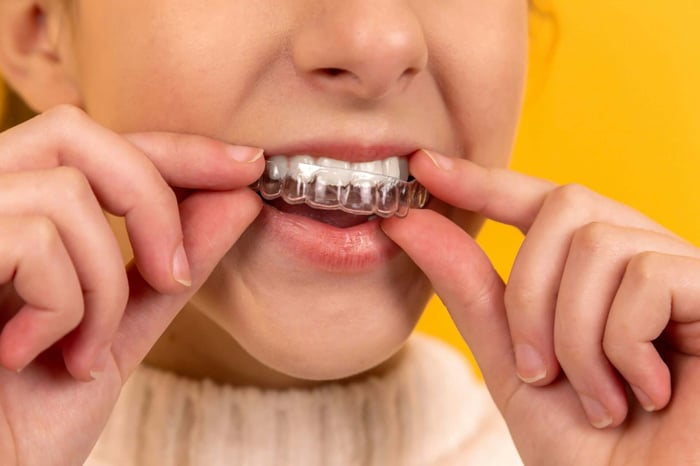
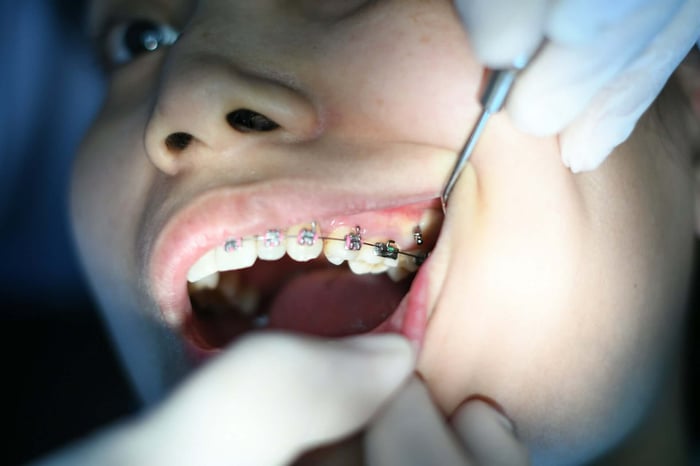
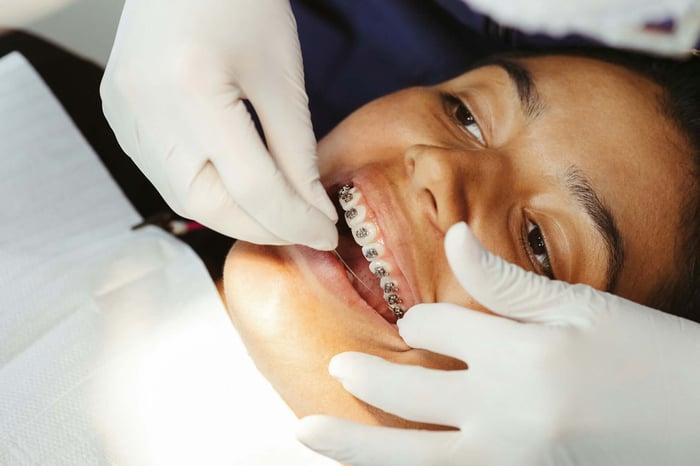
Moving teeth can cause temporary inflammation in the ligaments that hold each tooth in place, which can make teeth feel more sensitive to cold. Whether you are using Invisalign, metal braces, porcelain ceramic braces, or another orthodontic appliance, some sensitivity during active treatment is expected.
The list of orthodontic issues braces can help improve is long, from crowding to bite misalignment. The benefits of seeing an orthodontist for bite alignment go beyond appearance, since a corrected bite reduces uneven wear that can thin enamel over time. Following brace-friendly eating habits during treatment protects both your appliance and your enamel from additional stress.
After treatment ends, orthodontic retainers maintain your results. Some people notice a brief return of sensitivity when they switch to new retainers or resume wearing one after a break. This resolves on its own within a few days in most cases. Reviewing your concerns with your orthodontist before treatment starts sets realistic expectations about what to feel and when to call for help.
When Sensitivity Points To Something More Serious
Most cold sensitivity is manageable, but certain symptoms cross into emergency territory. Swelling, a persistent ache after cold contact ends, or a visible crack in a tooth all require prompt evaluation, not a wait-and-see approach.
Swelling Around One Tooth Warning Signs
Swelling around a single tooth is a red flag that the problem has moved beyond sensitivity into infection territory. Swelling around one tooth can indicate an abscess, which is a pocket of bacteria forming at the root tip or along the gumline. You might also notice a small bump on the gum that looks like a pimple, persistent bad taste, or a feeling of pressure when you bite.
An abscess does not resolve on its own. It needs professional drainage and treatment, often including antibiotics. Leaving it untreated can allow the infection to spread to surrounding bone and neighboring teeth. If you see swelling alongside cold sensitivity, contacting an emergency dentist the same day is the right call.
How To Know When Cracked Enamel Is A Dental Emergency
A hairline crack in enamel may not look dramatic, but it can allow cold to reach the nerve with startling intensity. Knowing when cracked enamel is a dental emergency comes down to a few specific signs: pain that shoots through the tooth when you bite and release it, cold sensitivity that lingers for more than a few seconds, or a visible line across the tooth surface.
Small cracks caught early can often be treated with bonding or a crown. A crack that has split down into the root changes the treatment plan significantly and may require oral surgery or tooth extraction. Early dental evaluation keeps the most conservative options available to you.
When To See An Endodontist For Lingering Pain
If cold sensitivity lingers for more than 30 seconds after the cold source is removed, the nerve inside the tooth is likely inflamed or infected. This is called irreversible pulpitis, and it typically warrants a referral to an endodontist. Root canal therapy removes the damaged nerve tissue, which eliminates the pain at its source without removing the tooth.
Many people associate root canals with discomfort, but sedation dentistry options make the process far more manageable than the reputation suggests. Reviewing sedation FAQs before your appointment helps you choose the right level of comfort for your visit.
Best Ways To Protect A Chipped Tooth Until You Are Seen
If you chip a tooth and notice cold sensitivity immediately after, the chip has likely exposed dentin. The best ways to protect a chipped tooth until your appointment include rinsing with warm water, avoiding cold drinks on that side of your mouth, and covering the sharp edge with a small piece of dental wax if it is irritating your cheek.
Dental emergency FAQs suggest avoiding hard, crunchy, or cold foods on the affected side until your dentist can assess the damage. Even a small chip deserves a prompt visit because exposed dentin does not remineralize on its own and leaves the tooth vulnerable to further fracture.
What You Can Do At Home To Calm The Zing
The right daily habits genuinely change how sensitive your teeth feel over time, and a few specific products make a noticeable difference without a prescription. Avoiding certain foods and adding professional preventive treatments at your dental visits can significantly reduce sensitivity.
A Simple Daily Home Dental Care Routine
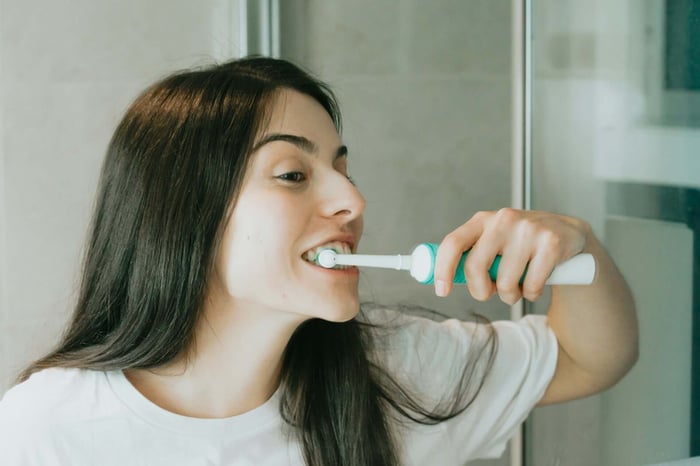
The most effective home dental care routine for sensitive teeth starts with the right toothbrush and the right pressure. Use a soft-bristled brush and apply light, circular strokes rather than scrubbing side to side. Aggressive brushing removes enamel and accelerates gum recession over months and years.
Switch to a desensitizing toothpaste that contains potassium nitrate or stannous fluoride. These ingredients work by blocking the dentinal tubules or calming the nerve response. Use it consistently for at least four weeks before judging whether it helps, and avoid rinsing immediately after brushing to keep the active ingredients on the tooth surface longer.
This oral hygiene approach applies to kids too. An oral hygiene guide for kids emphasizes the same soft-brush and fluoride toothpaste basics, scaled to smaller hands and shorter attention spans.
Foods And Habits That Can Make Sensitivity Worse
Acidic foods and drinks, including citrus fruits, soda, sports drinks, and vinegar-based foods, soften enamel temporarily after consumption. Brushing immediately after eating something acidic scrubs away softened enamel rather than protecting it. Waiting 30 minutes before brushing after acidic food gives enamel time to reharden.
Teeth grinding, called bruxism, wears down the biting surfaces of teeth and thins enamel faster than almost any other habit. Many people grind while asleep and do not realize it until their dentist points out flattened edges. A custom night guard from your dentist stops the damage before it progresses.
Brace-friendly eating habits during orthodontic treatment also protect enamel, since sticky or hard foods create extra stress on both the appliance and the tooth surface.
When Fluoride Treatment And Dental Sealants May Help
Professional fluoride treatment applied during a routine teeth cleaning remineralizes early enamel damage and reduces sensitivity in ways that at-home fluoride toothpaste cannot fully replicate. The concentration used in the office is significantly higher, and your dentist applies it directly to vulnerable areas to maximize contact.
Dental sealants are thin coatings painted onto the chewing surfaces of back teeth, sealing out bacteria and food particles from the grooves where decay most often starts. Sealants are especially useful for children and teenagers, but adults with deep grooves and a history of sensitivity can benefit from them too.
A deep teeth cleaning, also called scaling and root planing, removes bacterial buildup below the gumline and reduces the inflammation that drives gum recession. If gum disease is part of your sensitivity picture, this treatment addresses the source rather than just the symptom.
Treatment Options Your Dentist May Recommend
When home care is not enough, your dentist has a range of targeted treatments that address sensitivity at its source rather than just masking the pain. The right approach depends on the extent of structural damage and which teeth are affected.
Desensitizing Care And Gum-Focused Treatment
In-office desensitizing treatments use concentrated fluoride varnishes or bonding agents applied directly to exposed dentin. These products physically seal the dentinal tubules, which prevents cold from traveling to the nerve. Results are often noticeable within a single appointment.
For sensitivity driven by gum recession, soft tissue grafting is a surgical procedure that takes a small amount of tissue, often from the roof of your mouth, and repositions it over the exposed root. The grafted tissue covers the area causing pain and protects against further recession. Periodontic treatment of this kind addresses both the cosmetic and functional concerns in a single procedure.
Repairing Damage With Inlays, Onlays, Bridges, Or Crowns
When a tooth has too much damage for a basic filling but does not need a full crown, porcelain inlays and onlays offer a precisely fitted restoration that seals the tooth and effectively reduces temperature sensitivity. Porcelain crowns cap the entire tooth, which is appropriate when cracks, large cavities, or heavy wear have compromised the structure.
If a tooth has been lost and the neighboring teeth are shifting or becoming more sensitive as a result, porcelain fixed bridges fill the gap and stabilize the bite. Fixed bridges connect to the adjacent teeth and stop the chain reaction of drift and pressure that can cause surrounding teeth to become sensitive over time.
Replacing Missing Teeth With Implants Or Dentures
A missing tooth changes how bite forces distribute across your remaining teeth, and that uneven pressure can increase sensitivity in teeth that were previously fine. Dental implants replace the root and crown of a missing tooth, restoring natural function and protecting the surrounding teeth from extra stress.
Single-tooth implants work well when a single tooth is missing. How all-on-4 implants support daily function becomes relevant when multiple teeth are missing or failing, as the four-implant design can support a full arch. Signs you may benefit from all-on-4 implants include multiple failing teeth, difficulty chewing, or significant bone loss.
Will your dental implant last? With consistent care and everyday habits to protect new dental implants, implants have a strong long-term track record. Payment options and financing are available to make restorative treatment accessible, so cost does not have to be a barrier to getting the help your mouth needs.
Sensitivity In Kids, Pregnancy, And Other Special Situations
Cold sensitivity affects people at every life stage, including children whose teeth are still developing and pregnant people experiencing hormonal shifts that alter how their gums and enamel respond. Preventive care looks a little different in these situations, but it matters just as much.
When A Child's Complaint Needs A Closer Look
Children often describe sensitivity as their teeth "hurting," which can make it hard to distinguish from a cavity, an emerging permanent tooth, or general soreness. If your child's complaint happens specifically when eating or drinking something cold, that pattern points toward dental sensitivity rather than a different type of pain.
Pediatric dental guidance on early oral development emphasizes monitoring for enamel defects that sometimes appear during tooth formation, as these leave patches of dentin exposed from the moment the tooth erupts.
A children's dentist can identify these defects early and apply protective treatments before sensitivity becomes severe. Knowing how to know if your child needs early orthodontic care is also relevant here, since crowding and bite issues change how pressure and temperature affect individual teeth.
Dental Care During Pregnancy And Temporary Sensitivity Changes
Hormonal changes during pregnancy increase blood flow to gum tissue, making gums more reactive, more prone to inflammation, and more likely to swell or bleed. That inflammation can cause the gums to pull slightly away from teeth, exposing small amounts of root surface and triggering cold sensitivity that was not present before pregnancy.
Dental care during pregnancy is safe and recommended. Routine teeth cleaning is especially important during this time because pregnancy hormones accelerate plaque-related gum inflammation. Let your dental team know you are pregnant so they can adjust the timing, positioning, and product choices as appropriate.
Why Regular Preventive Visits Still Matter
Sensitivity tends to worsen when the underlying cause goes unaddressed for months. A dental checkup gives your dentist a chance to spot recession, early decay, or enamel thinning before these issues require more involved treatment.
Dental clinic visit expectations are straightforward: a visual exam, X-rays as needed, a professional cleaning, and a clear conversation about anything that needs attention.
For patients who have never visited or who feel anxious about a first visit, knowing what to expect in advance makes the appointment far less intimidating. Regular preventive visits are the most consistent way to stay ahead of sensitivity, rather than reacting to it once it becomes painful.
Frequently Asked Questions
Cold sensitivity has a few very common causes, and most of them are treatable once you know what you are dealing with. These questions often come up during dental visits, and the answers cut through the confusion quickly.
What are the most common causes of sudden tooth sensitivity?
The most common causes are enamel erosion, exposed dentin from gum recession, a new cavity, or a recent dental procedure. Teeth grinding also thins enamel gradually and can produce sudden sensitivity once the wear crosses a threshold. Identifying whether the sensitivity affects one tooth or many helps narrow down the cause quickly.
Can worn enamel or gum recession make my teeth hurt with temperature changes?
Yes, both worn enamel and gum recession expose dentin, which has direct channels to the tooth's nerve. Without the protective enamel or gum tissue in place, cold temperatures travel to the nerve faster and more intensely than they should. Professional treatments like fluoride varnish, bonding, or soft tissue grafting can restore that protection.
Could a cavity or cracked tooth be causing the sensitivity I'm feeling?
A cavity or crack creates a direct path into the dentin layer, and cold is often the first symptom you notice. Sensitivity isolated to one specific tooth, especially when triggered by cold or sweet foods, is a strong signal that something structural needs evaluation. A dental exam with digital X-rays can confirm or rule out decay and fractures.
Why does tooth sensitivity sometimes happen after a filling or dental cleaning?
A new filling causes temporary inflammation in the surrounding tooth tissue as it adjusts to the restoration and the change in bite pressure. Professional cleaning removes tartar buildup that previously covered dentin near the gumline, temporarily exposing that surface to temperature changes. Both types of sensitivity typically resolve within one to two weeks without additional treatment.
Can teeth whitening products make my teeth more sensitive, and for how long?
Whitening agents open the dentinal tubules to lift stain molecules, which allows cold and other stimuli to reach the nerve more easily during and shortly after treatment. Professional whitening sensitivity usually fades within 24 to 48 hours, while over-the-counter products used too frequently can extend that discomfort for several days. Using a desensitizing toothpaste in the days before and after whitening significantly reduces sensitivity.
When should I see a dentist about tooth sensitivity, and what warning signs should I watch for?
See a dentist if the sensitivity is severe, affects one specific tooth, lingers for more than 30 seconds after the cold source is gone, or is accompanied by swelling, visible cracks, or spontaneous pain. Sensitivity that is worsening rather than remaining stable is also worth evaluating promptly. These signs point to causes such as nerve involvement, infection, or structural damage that will not improve on their own.
Your Smile Deserves More Than Just Getting Used To The Pain
Cold sensitivity is your mouth's way of flagging a problem, and the good news is that most causes respond well to the right treatment. Whether the issue is thinning enamel, gum recession, a cavity, or a side effect of cosmetic work, there is a clear path forward that does not involve avoiding ice water for the rest of your life.
The earlier you address sensitivity, the simpler the fix tends to be. A small amount of enamel erosion can be treated with fluoride. A cavity caught early needs only a composite filling. Identifying gum recession before it reaches the root tip gives you conservative options that more advanced disease does not. Waiting rarely makes any of these situations easier to manage.
If cold sensitivity has been interrupting your meals, your morning coffee, or your peace of mind, now is a good time to act. Book your appointment with See Me Smile Dental and get a clear answer about what is causing your discomfort and what it takes to fix it.