If you're trying to figure out how to know if your child may need early orthodontic care, you're not alone. Small changes in your child's teeth or bite can leave you wondering what's normal and what needs attention.
At See Me Smile Dental & Orthodontics, we help families in Santa Barbara understand these early signs with a gentle, modern approach that keeps your child comfortable and informed. We focus on clear guidance so you can feel confident about your child's next steps.
In this guide, you'll learn what to watch for, when to take action, and how early care can support healthy growth. Knowing what's normal and what's not can make each decision feel simpler as your child grows.
The Earliest Signs Parents Should Watch For
Some early orthodontic signs are surprisingly easy to spot if you know what to look for. Pay attention to how baby teeth fall out, how permanent teeth come in, and even how your child eats or speaks.
Early or Late Loss of Baby Teeth
Baby teeth usually follow a general timeline for falling out. If your child loses teeth way earlier or later than their friends, that's something to notice.
Losing teeth too soon can let nearby teeth drift into the empty space, making it tough for the adult tooth to come in straight. If baby teeth are late to fall out, the permanent tooth might not have enough room, causing crowding or misalignment.
Some variation is totally normal. But if the timing seems way off, an orthodontist can check if there's enough space for the permanent teeth to come in correctly.
Crowded, Overlapping, or Protruding Teeth
When those adult teeth start popping up, sometimes they look crammed together or overlap. Maybe the front teeth stick out a bit, which can make them easier to injure.
Crowded or overlapping teeth are tough to clean, and that ups the risk for cavities. Protruding teeth can also be a confidence killer as kids get older. These are usually the first things parents notice.
Difficulty Chewing or Biting
Eating shouldn't hurt. If your child avoids certain foods, chews on just one side, or says it hurts to bite down, their teeth or jaw might not be lining up right. Kids don't always explain what's wrong, so watch for odd eating habits or sudden food dislikes.
Speech Difficulties and Tongue Thrust
Speech issues can sometimes be tied to how teeth and jaws are positioned. If your child has trouble saying certain sounds—especially "s," "t," or "d"—a misaligned bite could be part of the problem.
Tongue thrusting is another thing to look for. That's when your child pushes their tongue against or between their front teeth while swallowing or talking. Over time, this can push teeth forward and cause an open bite.
If a speech therapist mentions concerns about tongue position, it's probably worth getting an orthodontic check too.
Bite and Jaw Problems That Often Need Closer Attention
Bite and jaw problems aren't always obvious when your child smiles, but they can affect chewing, comfort, and even facial development. Misaligned bites, jaw clicking, and teeth grinding are all worth bringing up with an orthodontist.
Overbite, Underbite, Open Bite, and Crossbite
Here are the four most common bite issues in kids:
Overbite: The upper front teeth overlap the lower ones too much. A little overbite is normal, but a deep overbite can make the lower teeth bite into the roof of the mouth.
Underbite: The lower teeth stick out in front of the upper teeth. This usually relates to jaw growth and tends to get worse if left alone.
Open bite: The upper and lower front teeth don't touch when the mouth is closed, often from thumb-sucking or tongue thrusting.
Crossbite: Some upper teeth sit inside the lower teeth instead of outside. This can make the jaw shift to one side when chewing.
Each of these can affect eating, speaking, and even the way your child's face looks as they grow.
Jaw Clicking, Shifting, and Facial Imbalance
If your child's jaw clicks, pops, or shifts to one side when they open wide, their bite might be off. Sometimes you'll notice one side of their face looks a little different.
Facial imbalance can show up if the jaw grows unevenly due to a crossbite or other alignment issue. An orthodontist can check if the jaw is tracking properly and suggest ways to fix it while your child's still growing.
Teeth Grinding and Other Functional Clues
A lot of kids grind their teeth at night. Sometimes it's just a phase, but if it keeps happening, it could mean there's a bite problem.
You might hear grinding sounds at night, or spot teeth that look a bit worn down. Other clues include frequent cheek biting or your child complaining of jaw soreness in the morning.
These things are easy to brush off, but they often point to teeth and jaws that aren't fitting together the way they should.
Oral Habits and Breathing Patterns That Can Affect Growth
Everyday habits can shape how your child's teeth and jaws develop. Mouth breathing, long-term pacifier use, and thumb-sucking might seem harmless, but they can actually change jaw structure over time.
Addressing these habits early gives your child a better shot at healthy growth, and might even mean less orthodontic work later.
Mouth Breathing and Developing Jaw Shape
Kids who mostly breathe through their mouth instead of their nose can end up with a longer, narrower face shape and a higher, narrower roof of the mouth.
A narrow palate leaves less space for adult teeth, which leads to crowding. You might see your child sleeping with their mouth open, snoring, or having dry, cracked lips.
If you notice your child mouth-breathing during the day, tell both your pediatrician and an orthodontist. Sometimes, early orthodontic treatment can help guide jaw growth back to where it should be.
Prolonged Pacifier Use and Thumb-Sucking Effects
Most kids stop sucking their thumbs or pacifiers by age 3 or 4. If the habit sticks around past age 5, it can start moving teeth and changing how the jaw grows.
Long-term pacifier use and thumb-sucking put steady pressure on the front teeth and the roof of the mouth. That can lead to open bites, protruding upper teeth, or crossbites.
If your child still relies on one of these habits, gentle encouragement to stop can help prevent long-term bite issues.
Why Habit Changes Matter Before Problems Worsen
It's just easier to fix things when kids are younger because their jawbones are softer and more adaptable. Problems caused by habits can often be corrected without much fuss if you catch them early.
Waiting too long can make the changes permanent, and then you're looking at more complicated treatment. Tackling habits now could save your child from bigger orthodontic headaches later on.
Why an Orthodontic Check by Age 7 Matters
The American Association of Orthodontists says every child should get an orthodontic evaluation by age 7. This isn't about rushing into braces—it's about getting the right info at the right time, while your child still has a mix of baby and adult teeth.
What an Early Orthodontic Evaluation Looks For
During an early orthodontic evaluation, the orthodontist checks how your child's teeth are coming in, how the jaw is growing, and whether the bite looks normal.
They usually look for:
Crowding or extra space between teeth
Bite alignment (overbite, underbite, crossbite, open bite)
Jaw symmetry and growth patterns
Any habits that might be affecting development
Whether there's enough space for adult teeth to come in
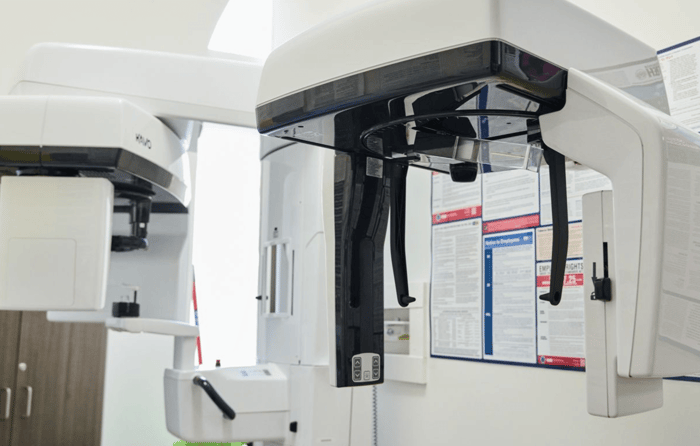
The visit typically takes about 30 minutes and might include X-rays or digital pictures. Many orthodontists offer the first consultation for free.
When to Schedule an Orthodontic Consultation Sooner
You don't have to wait until age 7 if something seems off. If your child has trouble chewing, obvious crowding, teeth that stick out, or a noticeable bite issue, it makes sense to schedule an orthodontic consultation earlier.
Sometimes the dentist will mention early signs of orthodontics during a regular checkup, but you don't need a referral. Parents are often the first to spot something unusual, and it's totally reasonable to trust your gut.
What Monitoring Means if Treatment Is Not Needed Yet
Many kids who are checked by age 7 don't need treatment right away. The orthodontist might suggest periodic monitoring, meaning short check-in visits every 6 to 12 months.
During these visits, they'll track how the adult teeth are coming in and how the jaw is growing. This lets them pick the best time to start treatment if it's needed.
Monitoring isn't about putting things off. It's a way to avoid unnecessary treatment while making sure nothing gets missed.
What Early Treatment May Involve
If your child's orthodontist thinks early action is needed, the treatment plan will depend on the specific issue. Early orthodontic treatment aims to fix problems while the jaw is still growing, which usually makes things simpler and more effective than waiting until all the adult teeth are in.
Interceptive Orthodontics and Phase 1 Treatment
Interceptive orthodontics—sometimes called Phase 1 treatment—usually starts between ages 6 and 10. The idea is to tackle specific problems early rather than waiting for full braces later.
Phase 1 treatment can include:
Palatal expanders to widen a narrow upper jaw
Partial braces on certain teeth to fix alignment
Appliances that help break habits like tongue thrusting
This phase generally lasts 6 to 18 months. After that, there's a period of rest while the remaining adult teeth come in. Some kids need a shorter Phase 2 later, but others might not need any more treatment.
Space Maintainers and Other Orthodontic Treatment Options
If a baby tooth is lost too soon, a space maintainer can hold the spot open so the adult tooth comes in where it should. Without one, nearby teeth might drift into the gap and block the new tooth.
Space maintainers are simple, comfortable, and can prevent bigger problems later. Other options could include removable appliances, aligners made for younger kids, or special retainers. Your child's orthodontist will recommend whatever fits their particular situation.
How Early Treatment Can Guide Jaw Growth
One of the biggest advantages of early orthodontic intervention is the chance to guide jaw growth while your child's bones are still developing.
Appliances like palatal expanders or functional appliances can actually influence how the upper and lower jaws grow in relation to each other. Take a crossbite, for example. If you catch it early, a simple expander can often fix it.
Wait until the teenage years, and suddenly you might need a much more complicated approach. Early treatment works with your child's natural growth—something you just can't replicate once growth is done.
If you notice any of the warning signs mentioned, scheduling an evaluation is a straightforward first step. It gives you the information you need to make the best decision for your child's smile and long-term health.
Your Child's Smile Can Grow with the Right Support
Understanding how to know if your child may need early orthodontic care gives you a real advantage as a parent. When you notice small changes early, you can support healthier growth, easier cleaning, and more comfortable functioning as your child develops.
At See Me Smile Dental & Orthodontics, we take a family-focused approach that looks at the full picture of your child's smile, from jaw growth to daily habits. We use modern tools and gentle care to help you make informed choices that fit your child's needs.
If something doesn't feel quite right, taking a closer look can bring clarity and peace of mind. Request an appointment to get answers, guidance, and a plan that supports your child's long-term oral health.
Frequently Asked Questions
At what age should my child see an orthodontist for the first time?
Most children should have their first orthodontic check by age 7. At this stage, a mix of baby and adult teeth helps reveal how the bite and jaw are developing. Early visits focus on guidance, not immediate treatment.
How do I know if my child may need early orthodontic care?
You may notice signs like crowded teeth, early or late tooth loss, difficulty chewing, or a bite that looks uneven. Habits like thumb-sucking or mouth breathing can also affect development. If something seems off, an evaluation can help you understand what's going on.
Can my child outgrow crooked or crowded teeth?
Some minor issues improve as your child grows, but many do not fully correct on their own. Crowding and bite problems often become more noticeable over time. Early monitoring helps determine whether changes are natural or need support.
Does early orthodontic care always mean braces?
Early orthodontic care does not always involve braces. In many cases, it may include monitoring growth or using simple appliances to guide development. The goal is to make future treatment easier, not more complicated.
What happens during an early orthodontic evaluation?
The orthodontist checks how your child's teeth are coming in, how the jaw is growing, and how the bite fits together. This visit may include digital images or X-rays to get a clearer view. It's usually quick and comfortable for your child.
What are the benefits of starting orthodontic care early?
Early care can guide jaw growth, create space for adult teeth, and reduce the risk of more complex issues later. It may also improve comfort when chewing and speaking. Addressing concerns early can lead to simpler treatment over time.
Should I schedule an evaluation if I'm unsure?
If you're unsure, scheduling an evaluation is a simple way to get clear answers. A professional can let you know if everything is on track or if monitoring is needed. If you have questions about your child's smile, Schedule Your Visit Online to get personalized guidance.