Tooth loss affects more than your smile; it changes how you eat, speak, and feel about yourself. If you're exploring dental implants in Santa Barbara, a consultation is your first real step toward a lasting solution, and walking in prepared makes all the difference.
At See Me Smile Dental & Orthodontics, we make that first visit straightforward and pressure-free. We'll review your dental and medical history, take diagnostic images, and walk you through every option, so you leave with a clear picture of what's ahead, not more questions.
This guide tells you how to prepare for a dental implant consultation, covers exactly what to bring, what to expect, and what to ask. A little prep now means your consultation can focus entirely on building the right plan for you.
What Happens at a Dental Implant Consultation?
A dental implant consultation is your chance to find out whether implants are the right fit for your situation. Your dentist will review your dental health, take diagnostic images, and have an honest conversation about your goals and options.
What the Appointment Actually Covers
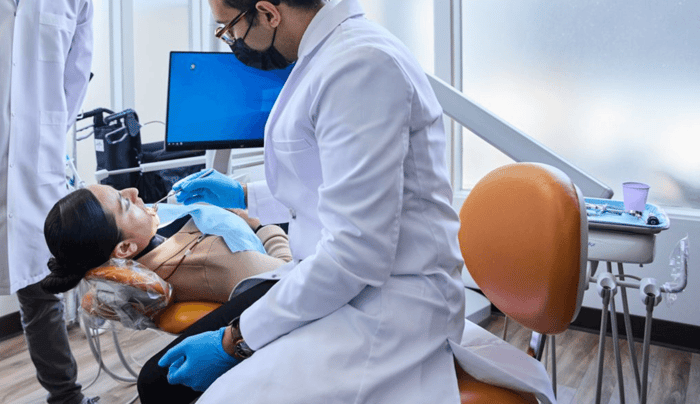
Your dentist will examine your mouth, teeth, and gums, paying close attention to your jawbone and any areas where teeth are missing. They'll take X-rays or a 3D scan to assess bone density and map out where implants can safely go.
You'll also share your medical history and current medications, since certain conditions and drugs can affect both surgery and healing. Plan for the visit to last 30 to 60 minutes; enough time to review images, ask questions, and discuss payment options.
Why a Thorough Evaluation Matters
A complete evaluation protects both your health and your investment. Your dentist needs to confirm your jawbone can support an implant — if bone density is low, a bone graft may be necessary before moving forward.
Gum health matters just as much. Active gum disease requires treatment first, since placing an implant in an unhealthy mouth raises the risk of failure. A thorough evaluation also catches factors like sinus proximity, nerve placement, and bite alignment that could affect your outcome if left unaddressed.
Questions Worth Raising at Your First Visit
Ask how many implants you need and why, as the answer should be grounded in your specific situation, not a default recommendation. You'll also want a clear sense of the full timeline, from the first procedure through final placement and healing, and a straightforward breakdown of all costs involved.
Other important topics to cover include your dentist's experience with implants, pain management during and after surgery, recovery expectations, how long implants typically last, and whether any of your current medications need to be paused before the procedure.
How to Prepare Before Your Appointment
Pulling together the right information before your visit makes everything smoother and helps your dentist focus on your care from the moment you arrive.
Gather Your Dental and Medical History
Collect records of past dental treatments and any recent X-rays — these give your dentist a complete picture of your oral health, including previous surgeries, extractions, or gum treatments. Your medical history is equally important, so bring documentation of any chronic conditions like diabetes, heart disease, or autoimmune disorders.
Let your dentist know if you've had radiation therapy to your head or neck, or if you have a bone-related condition like osteoporosis. A brief summary of surgeries from the past five years rounds out the picture and helps your dentist anticipate potential complications.
List Your Medications and Allergies
Write down every medication you take — including dosage and frequency — and don't overlook over-the-counter products, vitamins, or herbal supplements. Blood thinners, bisphosphonates, and immunosuppressants are especially important to flag, since they can directly affect surgery and the healing process.
List all known allergies as well, particularly to antibiotics, anesthesia, latex, or metals. Even an allergy that seems minor is worth mentioning. Your dentist can only plan around what they know.
Sort Out Your Insurance Information
Call your insurance provider before the appointment and ask specifically about implant coverage. Find out your annual maximum benefit, how much you've used this year, whether pre-authorization is required, and what your deductible looks like.
Bring your insurance card and keep your provider's contact information handy. Arriving with this ready prevents delays and gives you a clearer picture of your out-of-pocket costs before any decisions are made.
What to Bring to Your Consultation
Dental Records and Recent X-Rays
Your dental records give the specialist a full view of your oral health history, including previous treatments, existing dental work, and any past complications. Recent X-rays are especially valuable, as they reveal bone density, sinus locations, and nerve positions that directly inform safe implant placement.
If you've had imaging taken within the past year, request copies from your previous dentist before your consultation. Many offices transfer records electronically, but confirm they've arrived ahead of time rather than assuming.
Referral Notes from Your General Dentist
If your dentist referred you, bring any notes or forms they provided. These often include specific concerns or procedural recommendations that give the implant specialist useful context from the start.
Even if your dentist already sent their notes directly, having your own copy ensures nothing slips through the cracks. It can also help avoid repeating tests you've already had.
How to Choose the Right Implant Specialist in Santa Barbara
Look at Credentials and Case Experience
Look for a dentist with advanced training in implant dentistry. Periodontists, oral surgeons, and prosthodontists often complete additional education specifically for these procedures, which matters when cases become complex.
Ask how long they've been placing implants and roughly how many procedures they've completed. Membership in organizations like the American Academy of Implant Dentistry signals a commitment to staying current with techniques and standards. Also ask about the technology the practice uses; tools like 3D imaging and computer-guided surgery improve both precision and predictability.
Read Reviews with Intention
Read reviews across multiple platforms and pay attention to what patients say about their results, recovery experience, and how well the team communicated throughout treatment. Look for patterns rather than isolated opinions — repeated complaints about the same issue are more telling than a single negative review.
Before-and-after photos of real patients can also give you a meaningful sense of work quality. If you have the chance to speak with a past patient who went through the same procedure, that firsthand perspective is hard to beat.
Consider Location and Scheduling
Choose a clinic within about 30 minutes of your home or workplace, as implant treatment involves multiple appointments spread over several months, so convenience matters more than you might expect. Confirm the office hours work with your schedule, since evening and weekend availability can make a real difference if you work standard hours.
Check parking and public transit options, and verify the office is accessible if you have any mobility considerations. These practical details become more relevant when you're recovering from a procedure and not feeling your best.
The Right Questions to Ask at Your Consultation
About Your Treatment Options
Ask which implant system your dentist recommends for your case and why. Different systems perform better for different jawbone densities and tooth positions, so the recommendation should reflect your anatomy specifically.
Find out whether you need any preparatory work — such as bone grafting or gum treatment — before implants can be placed. It's also worth asking about alternatives like bridges or dentures, since those may be a better fit depending on your bone condition and overall health.
About Your Timeline and Recovery
Ask for a realistic start-to-finish timeline. Most implant treatment spans three to nine months, though your case may fall outside that range if preparatory procedures are involved.
Understand what recovery looks like after each stage, including expected discomfort, dietary restrictions, and activity limitations. Find out how many total appointments you'll need so you can plan around work and other commitments without being caught off guard.
About Costs and Financing
Request a line-by-line cost breakdown covering every component of your treatment: the implant post, abutment, crown, and any additional procedures. A single total figure isn't enough — you need to know exactly what's included and what could change.
Ask whether your dental insurance covers any part of the treatment, and inquire about in-office financing or payment plans if the upfront cost is a concern. Finally, ask how the practice handles costs if a complication arises. Understanding that scenario in advance prevents unwelcome financial surprises later.
Your Next Step Toward a Confident Smile Starts Here
Missing teeth don't just affect how you look; they affect how you live. Dental implants offer a long-term solution, and the sooner you get the right information, the sooner you can stop putting it off.
See Me Smile Dental & Orthodontics offers advanced implant care and flexible scheduling, including evenings and Saturdays, so getting started fits your life. We'll walk you through every step with clear explanations and zero pressure.
You don't have to figure this out alone. Call our Santa Barbara office at (805) 284-0826 or request an appointment online. Let's build a plan that works for you.
Frequently Asked Questions
How Long Does a Dental Implant Consultation Take?
Most consultations last between 30 and 60 minutes. That includes a clinical exam, diagnostic imaging, a review of your medical history, and time to ask questions and discuss costs — so it's worth arriving prepared.
What Should I Bring to My Dental Implant Consultation?
Bring your dental records, any recent X-rays, a full list of medications and allergies, and your insurance information. If your general dentist referred you, bring their notes as well. Having everything in one place helps your dentist focus on building your treatment plan from the start.
Does a Dental Implant Consultation Hurt?
The consultation itself is non-invasive. Your dentist will examine your mouth and take X-rays or a 3D scan — nothing more. If you feel nervous about any part of the visit, let the team know ahead of time so they can make you as comfortable as possible.
Will I Need Bone Grafting Before Getting Dental Implants?
Not everyone does, but it depends on the density and volume of your jawbone. If your bone isn't thick enough to support an implant, a graft may be recommended first. Your dentist will assess this during your consultation and explain exactly what your situation requires.
How Much Does a Dental Implant Consultation Cost in Santa Barbara?
Consultation fees vary by practice, and some offices apply the cost toward your treatment if you move forward. Call ahead to ask about fees and whether your dental insurance covers any part of the visit. It's also a good time to ask about financing options for the full treatment.
How Do I Know If I'm a Good Candidate for Dental Implants?
Most adults in good general health are potential candidates, but your jawbone density, gum health, and medical history all play a role. Conditions like uncontrolled diabetes or a history of radiation therapy to the head or neck may require additional evaluation. Your dentist will give you a clear answer after reviewing your full health picture.
What Happens After the Consultation?
Your dentist will outline a personalized treatment plan based on your exam and imaging. If you need preparatory work like bone grafting or gum treatment, that happens first. Once you're cleared, implant placement is scheduled — and your dentist will walk you through every step before anything begins.