
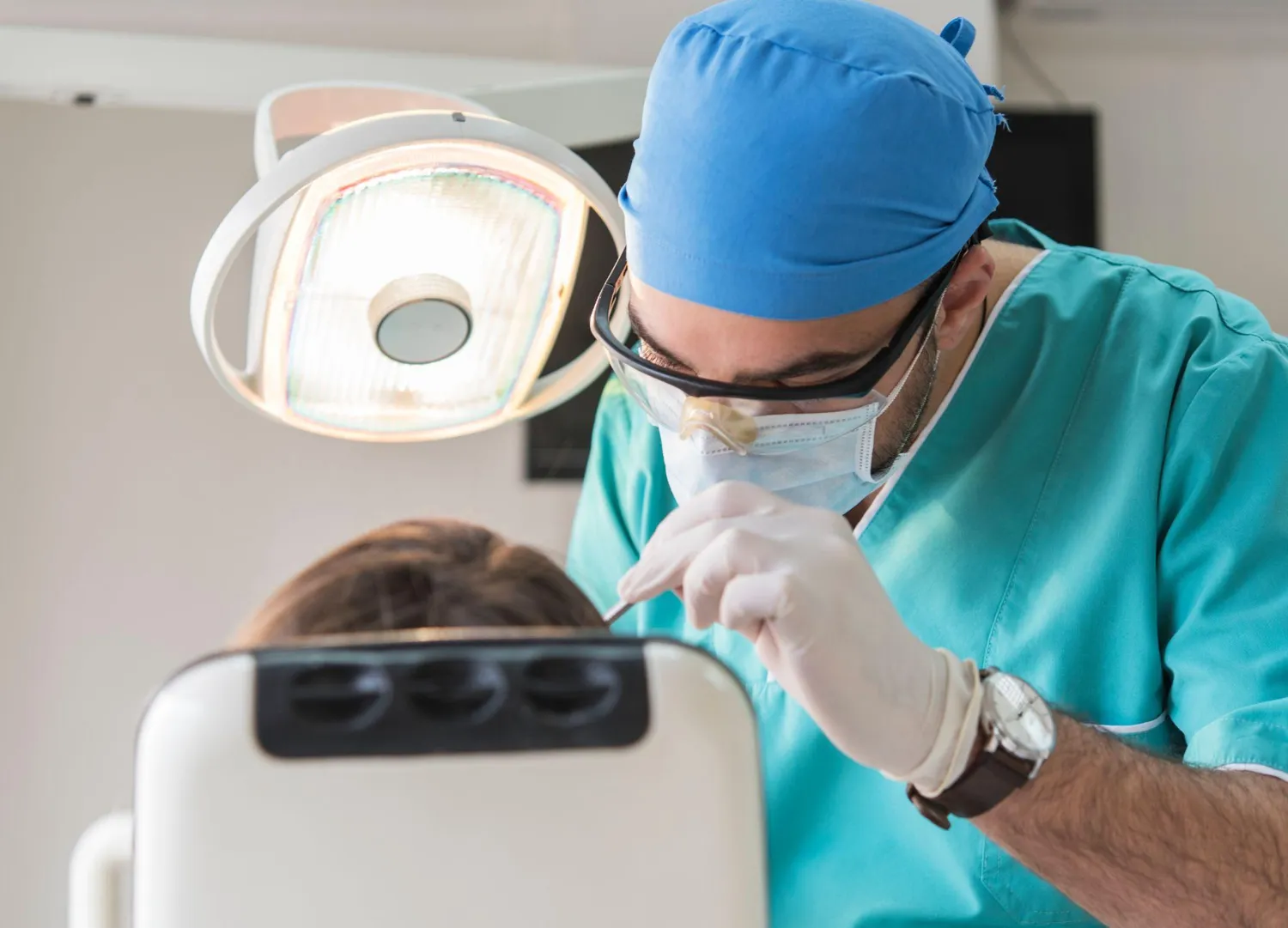
Dental pain becomes an emergency when severe symptoms threaten your tooth, oral health, or overall well-being. An emergency dentist can address intense pain, facial swelling, uncontrolled bleeding, or a knocked-out tooth. Broken teeth and signs of infection may also require prompt treatment before complications develop. Minor sensitivity or small, painless chips can usually wait for a regular dental appointment. Knowing when to seek emergency dental care can help you act quickly and protect your oral health.
How to Tell When Dental Care Cannot Wait
Some dental problems need faster attention because delaying treatment can allow damage or infection to progress. Severe or worsening pain often indicates a problem that needs professional evaluation sooner rather than later. Facial swelling, persistent bleeding, fever, or significant dental trauma can also signal an urgent condition. Changes that interfere with eating, sleeping, speaking, or opening your mouth deserve particular attention. Symptoms that appear suddenly or worsen within hours should not wait for a routine checkup. Contact a dental professional promptly when the problem becomes difficult to manage or shows signs of spreading.
When Urgent Dental Care Should Be Scheduled
Some dental problems become harder to treat when care gets delayed. Certain symptoms can signal infection, structural damage, or an injury requiring prompt professional attention. The urgency often depends on pain severity, swelling, bleeding, and how quickly symptoms change. Recognizing the following situations can help you decide when immediate dental care makes sense.
Tooth Pain Becomes Difficult to Manage
Tooth pain can indicate deeper trouble when it becomes persistent, intense, or progressively worse. Decay, inflammation, infection, and structural damage can all produce significant discomfort. Changes in the timing and intensity of pain can help indicate how quickly treatment is needed. Certain pain patterns deserve attention beyond a routine appointment.
Pain Persists or Intensifies
Persistent tooth pain deserves attention when ordinary pain relief provides little improvement. Intense throbbing may indicate deep decay, nerve inflammation, infection, or internal tooth damage. Pain can also spread toward the jaw, ear, or surrounding teeth as inflammation progresses. Lingering sensitivity after hot or cold exposure may suggest irritation deeper inside the tooth. Discomfort during biting can point to a crack, infection, or inflammation around the root. Prompt evaluation can identify the source before pain and damage become harder to manage.
Pain Interrupts Sleep or Eating
Dental pain becomes more concerning when it interferes with ordinary activities. Throbbing that repeatedly wakes you may indicate inflammation or pressure developing inside the tooth. Pain during meals can also result from decay, fractures, infection, or damaged dental work. Avoiding certain foods because of discomfort can make delaying treatment increasingly difficult. A dentist can examine the tooth and determine what is causing the ongoing symptoms. Arrange prompt care when dental pain consistently disrupts sleep, eating, work, or daily routines.
Facial or Jaw Swelling Starts Getting Worse
Facial or jaw swelling can develop when inflammation or infection extends beyond an affected tooth. The swollen area may become tender, warm, firm, or increasingly uncomfortable. Additional symptoms can help determine how urgently the condition needs professional attention. Swelling that worsens deserves particular attention, especially when other signs of infection develop alongside it.
Swelling Appears With Infection Signs
Dental infections can cause facial swelling when bacteria reach tissues surrounding an affected tooth. Fever, drainage, swollen lymph nodes, or an unpleasant taste may accompany the swelling. Increasing pressure can also make opening your mouth uncomfortable or difficult. These changes can indicate that infection is extending beyond a localized dental problem. Contact a dental provider promptly when swelling develops alongside suspected infection. Early professional care can address the source before the condition becomes more difficult to manage.

Swelling Affects Breathing or Swallowing
Swelling becomes a medical emergency when it begins interfering with breathing or swallowing. Infection can sometimes spread into deeper facial or neck tissues and threaten the airway. Rapidly increasing swelling can also make speaking or opening the mouth increasingly difficult. These symptoms require a different response than a routine dental visit. Seek immediate emergency medical care rather than waiting for a dental office appointment. Dental treatment may still be necessary after medical professionals address the immediate danger.
A Tooth Gets Displaced During an Accident
Falls, sports injuries, and other accidents can force teeth from their normal positions. The severity can range from noticeable movement to complete displacement from the socket. These injuries require careful handling because surrounding tissues may also sustain damage. Faster professional attention can improve the chances of preserving an injured permanent tooth.
A Permanent Tooth Gets Knocked Out
A knocked-out permanent tooth requires immediate attention because treatment becomes increasingly time-sensitive. Pick up the tooth by its crown rather than touching the delicate root. Gently rinse visible dirt away without scrubbing or removing tissue attached to the root. Keep the tooth moist while arranging professional care, and avoid letting it dry out. Bring the tooth to the dental office so the dentist can evaluate whether reimplantation is possible. Faster treatment may improve the chances of successfully preserving the natural tooth.
A Tooth Becomes Loose or Shifts Position
An accident can loosen a permanent tooth without completely removing it from its socket. The tooth may look crooked, longer, shorter, or noticeably different from nearby teeth. Avoid pushing or repeatedly testing the tooth because additional movement may damage supporting tissues. Do not chew with the injured tooth while arranging professional evaluation. A dentist can assess the tooth, surrounding bone, and supporting structures for hidden damage. Prompt treatment may help stabilize the tooth and reduce the risk of further displacement.
A Tooth Cracks or Breaks After Trauma
Cracked and broken teeth can expose vulnerable structures and create openings for bacteria. Damage commonly follows falls, accidents, sports injuries, or biting unexpectedly hard foods. The urgency depends partly on the fracture depth and symptoms affecting the damaged tooth. Pain, sensitivity, bleeding, and visible internal tissue can indicate more extensive damage.
The Fracture Causes Pain or Sensitivity
A fracture may cause sharp pain when chewing or consuming hot and cold foods. Sensitivity can develop when the crack reaches deeper layers of the tooth. Pain may disappear between episodes, which can make the damage seem less serious. Avoid chewing on the affected side until a dentist evaluates the fracture. If you can locate them, keep any broken pieces in a clean container. Prompt assessment can help prevent additional cracking and determine whether the tooth can be restored.
The Break Exposes Deeper Tooth Tissue
A large fracture can expose the inner structures that contain nerves and blood vessels. The damaged area may appear pink or red and can become extremely sensitive. Bleeding from inside the tooth can also indicate that the fracture extends beyond enamel. Avoid applying aspirin, household products, or unapproved substances directly to the damaged area. Protect the tooth from chewing pressure while arranging prompt professional care. Early treatment can reduce contamination and help preserve as much healthy tooth structure as possible.

Signs of a Dental Infection Begin Developing
Dental infections can start inside a damaged tooth or in the tissues surrounding it. Symptoms may appear gradually before becoming more painful or widespread. Abscesses, fever, drainage, and increasing swelling can indicate that bacteria remain active. These conditions need professional treatment because temporary symptom relief does not remove the source of the infection.
A Dental Abscess or Gum Bump Appears
A swollen gum bump can indicate an infection near a tooth root or surrounding tissue. Some abscesses cause severe throbbing, while others initially produce little discomfort. Pressure, tenderness, swelling, or an unpleasant taste may accompany the bump. Pain can increase as infected material collects within the affected area. A dentist needs to identify where the infection started and determine appropriate treatment. Prompt care can reduce the risk of the infection spreading to nearby oral structures.
The Abscess Begins Draining
An abscess may release fluid when pressure inside the infected area becomes high enough. Drainage can cause a foul taste and may temporarily reduce pain or pressure. Reduced discomfort does not mean the infection has resolved without professional treatment. Bacteria may remain in the tooth, gum, or surrounding bone after drainage. Don't assume a smaller gum bump means the underlying condition has healed. Contact a dental provider so they can properly treat the source of the infection.
Fever Develops With Dental Symptoms
Fever accompanying dental pain or swelling can indicate that an infection is progressing. Chills, fatigue, swollen glands, and increasing facial discomfort may occur alongside the fever. Difficulty opening the mouth can also develop when inflammation reaches surrounding tissues. Contact a dental provider promptly and explain how quickly your symptoms have changed. Severe weakness, confusion, breathing problems, or swallowing difficulty require immediate medical attention. Hospital treatment may become necessary when infection affects functions beyond routine dental management.
Mouth Injuries Cause Persistent Bleeding
Oral tissues can bleed significantly after falls, accidents, bites, or other forms of trauma. Minor bleeding often settles with appropriate pressure, while deeper injuries may require professional treatment. The wound's location and severity can influence the appropriate care setting. Bleeding that continues despite basic first aid deserves faster evaluation.
Bleeding Continues Despite Pressure
Place clean gauze over an accessible bleeding area and maintain steady pressure. Avoid repeatedly lifting the gauze, as it can disturb the developing clot. Minor bleeding should generally decrease as the injured tissue begins stabilizing. Continued heavy bleeding despite pressure may require urgent dental or medical evaluation. Mention blood-thinning medications or clotting conditions when speaking with a healthcare professional. Seek immediate medical attention if significant blood loss causes weakness, dizziness, or faintness.
A Deep Cut Damages Oral Tissue
Deep cuts can affect the lips, tongue, gums, cheeks, and surrounding oral tissues. Gently rinse the mouth with clean water to remove loose debris around the wound. Apply steady pressure with clean gauze when bleeding continues from an accessible area. Separated wound edges or embedded objects can indicate a need for professional treatment. Severe swelling and uncontrolled bleeding also require prompt evaluation. Significant facial trauma may need medical treatment before related dental injuries receive further care.
Dental Restorations Become Damaged or Lost
Fillings and crowns protect teeth that have already experienced decay, damage, or restorative treatment. Losing a restoration can expose sensitive tooth surfaces and make normal chewing uncomfortable. Some restoration problems can wait briefly, while pain or further damage warrants faster attention. Protecting the affected tooth can reduce irritation until professional treatment becomes available.
A Filling Falls Out
A lost filling can expose tooth structure that reacts strongly to pressure or temperature changes. Food can also collect inside the opening and make the area increasingly uncomfortable. Avoid chewing hard or sticky foods with the affected tooth until it receives treatment. Keep the area reasonably clean without repeatedly probing the exposed surface. Increasing pain or additional breakage may warrant a faster professional evaluation. A dentist can determine whether the tooth needs another filling or a different restoration.
A Crown Comes Loose or Falls Off
A loose or missing crown can leave the prepared tooth underneath sensitive and vulnerable. Keep a dislodged crown in a clean, safe container for your dental appointment. Avoid chewing on the affected side because pressure may further damage the exposed tooth. Never attach the crown using household glue or products not intended for dental treatment. Significant pain, cracking, or additional damage can justify faster professional care. A dentist can determine whether the crown can be replaced or another restoration is necessary.
Orthodontic Appliances Start Causing Injury
Broken braces and orthodontic wires can irritate or injure surrounding soft tissues. Minor appliance problems may sometimes wait when they cause no pain or tissue damage. Sharp, displaced, or embedded components require more attention because they can repeatedly injure the mouth. Contact your orthodontic provider when temporary protective measures can't safely control the problem.
A Broken Wire Cuts Soft Tissue
A damaged orthodontic wire can repeatedly scrape the cheek, lip, tongue, or gum. Orthodontic wax may temporarily cover the sharp end and reduce irritation until you see your provider. Avoid repeatedly bending or pulling the wire because additional movement can worsen the problem. Do not cut the appliance unless your orthodontic provider specifically advises you to. Persistent cuts, pain, or bleeding can indicate that faster professional attention is appropriate. Contact your provider for instructions based on the location and extent of the damage.
A Wire Becomes Embedded in Tissue
An embedded orthodontic wire requires professional attention rather than repeated home removal attempts. Pulling the wire can deepen the injury or damage other parts of the appliance. Avoid manipulating the affected area while arranging care with your orthodontic or dental provider. Increasing swelling, persistent bleeding, or significant pain can make evaluation more urgent. Severe facial trauma may require medical care alongside orthodontic or dental treatment. A professional can remove or reposition the appliance while limiting additional tissue injury.
Address Urgent Dental Problems Promptly
Dental symptoms can become harder to manage when pain, infection, or damage progresses without treatment. Contact a dental professional when discomfort intensifies, swelling develops, or an injury affects your normal routine. Acting promptly can limit further damage and give your dentist more options for treating the affected area. Arrange urgent dental care when warning signs appear rather than waiting for symptoms to become unbearable.
Give your next dental decision more context. Read the See Me Smile Dental blog for useful information that makes oral health topics easier to understand.
