You have a cleaning coming up, or maybe you are finally thinking about booking one after a long gap, and a small knot of uncertainty has settled in. You are not quite sure what the hygienist actually does, whether it will hurt, or how long you will be in the chair. That feeling is more common than you might think, and it tends to disappear the moment someone walks you through the process in plain terms.
At See Me Smile Dental and Orthodontics in downtown Santa Barbara, patients say the same thing after their first visit: it was nothing like they imagined, and they wish they had come sooner. The team there understands that not knowing what to expect is often the biggest barrier, so the goal of every appointment is to keep you informed at every step.
Keep reading to learn exactly what happens during a dental cleaning, from the first check-in to the moment you rinse and leave. You will find out how long it takes, what each step actually feels like, and what to do once you are home. By the end, you will have enough information to walk in confident and walk out comfortable.
Why Routine Cleanings Matter
Regular professional cleanings do something your toothbrush simply cannot: they remove hardened deposits that have built up on your teeth and below the gumline over weeks or months.
How Cleanings Help Prevent Bigger Problems
Plaque, the soft film that forms on your teeth every day, hardens into tartar within about 24 to 72 hours if it is not fully removed. Once it hardens, no amount of brushing at home will touch it. A hygienist uses specialized tools to clear it away before it causes cavities or inflames your gums.
Beyond removing buildup, cleanings give the dental team a close look at your mouth twice a year. That regular check creates a chance to catch small problems, like a tiny soft spot on a tooth or early gum inflammation, before they require more involved treatment. Catching something early almost always means a simpler, less expensive fix.
Who Benefits From a Professional Visit
Almost everyone does, including patients who brush and floss diligently every day. Even the most careful home routine leaves some areas unreached.
Patient Type | Recommended Frequency |
Adults with healthy gums | Every 6 months |
Children and teens | Every 6 months |
Patients with gum disease history | Every 3 to 4 months |
Pregnant patients | Check with your provider |
Patients with diabetes or dry mouth | May need more frequent visits |
Your hygienist will let you know if your situation calls for visits more often than twice a year. The goal is always to match the schedule to your actual oral health needs, not a one-size-fits-all calendar. Once you know why the visits matter, the next natural question is: what actually happens when you sit down in that chair?
What the Appointment Usually Starts With
The cleaning itself does not start the moment you sit down. There is a brief but important set of steps that comes first, and each one serves a purpose.
Medical History and Initial Check-In
Your hygienist will ask you to confirm or update your health history. This includes any new medications, recent surgeries, or health changes since your last visit. Some medications affect saliva flow or gum tissue, and knowing this helps the team adjust the visit as needed.
This part of the appointment takes only a few minutes, but it genuinely shapes how the hygienist approaches your care that day.
Exam of Teeth and Gums
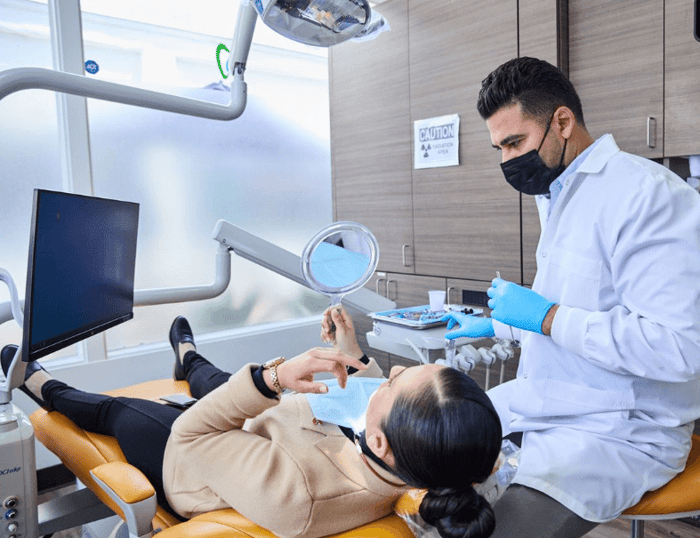
Before any instruments are used near your teeth, the hygienist performs a visual examination. They check each tooth and look along the gumline for any areas of redness, swelling, or recession.
They also use a small probe to gently measure the space between your gums and teeth, called pocket depth, to screen for gum disease. A healthy pocket depth is typically between 1 and 3 millimeters.
This examination is not uncomfortable for most patients. You may feel slight pressure at the gumline, but the probe is small, and the measurement takes only seconds per tooth.
X-Rays if They Are Needed
Not every visit includes X-rays. New patients typically receive a full set, and returning patients usually get updated images once a year or every two years, depending on their history. X-rays show the dentist areas that are impossible to see with the naked eye, such as decay between teeth or changes in the bone beneath.
If X-rays are part of your visit, the hygienist places a small sensor or film in your mouth, and you bite down gently while the image is captured. The whole process takes just a few minutes and is painless. With that preliminary check complete, the actual cleaning work can begin.
Plaque and Tartar Removal Step by Step
This is the heart of the appointment, and it is the step that causes the most anxiety for patients who have never had it explained. Knowing what is happening makes it much easier to sit back and let the hygienist work.
How the Hygienist Loosens Buildup
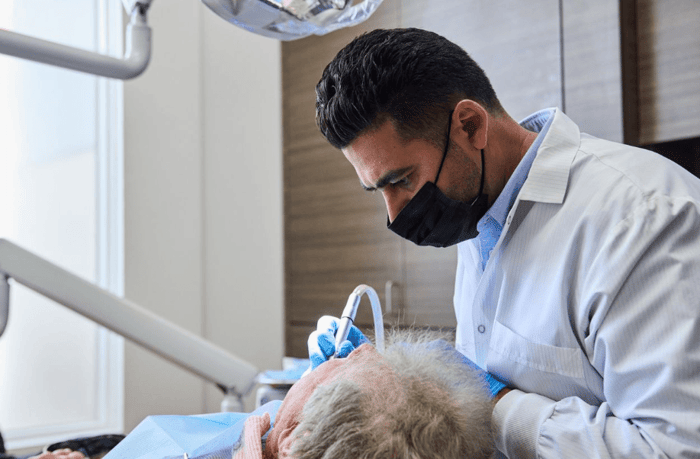
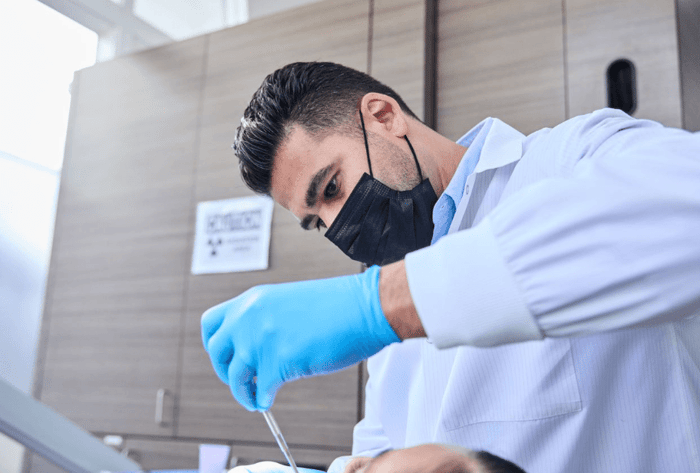
The hygienist uses a small hand tool called a scaler, and sometimes an ultrasonic device that vibrates at a high frequency, to break tartar away from the tooth surface and from just below the gumline. The ultrasonic scaler also uses a gentle stream of water to flush debris away as it works.
The process is methodical. The hygienist works tooth by tooth, moving along each surface in sections to make sure nothing is missed. Areas with more buildup take a bit longer. Teeth that are cleaned regularly tend to have minimal tartar, which makes this step quick and easy.
What Scraping Feels Like in the Chair
Most patients feel pressure and vibration, but not pain. If your gums are inflamed or you have significant buildup near the gumline, you may notice more sensitivity in those spots. That is normal and temporary.
If the sensation ever becomes sharp or uncomfortable, let your hygienist know immediately. They can slow down, adjust the angle, or offer a topical numbing gel to take the edge off. No one expects you to white-knuckle it through any part of the process. Patients who come in regularly and maintain good home care typically find this step takes only five to ten minutes and feels mild throughout.
With the tartar gone, your teeth are ready for the next phase, which smooths the surface and removes staining you may not have realized was there.
Polishing, Flossing, and the Final Rinse
Once the hard deposits are cleared, the hygienist proceeds with three finishing steps that leave your teeth clean, smooth, and refreshed.
Why Teeth Get Polished After Scaling
Polishing uses a small rubber cup that spins and a slightly gritty paste, similar in texture to a thick toothpaste. The hygienist applies it to each tooth and works the cup along the surface to smooth out microscopic roughness left by tartar removal and to buff away light surface stains from coffee, tea, or food.
The feeling is a gentle buzzing or tickling against each tooth. Most patients find it satisfying. The paste comes in several flavors, and your hygienist will often let you choose. The polished surface is also slightly more resistant to new plaque sticking, which gives your home care routine a better head start.
What the Flossing Stage Checks
After polishing, the hygienist flosses between every tooth, including the hard-to-reach spots at home. This step removes any paste residue and leftover debris, but it also serves a diagnostic role. The hygienist can feel whether contacts between teeth are too tight or too loose, and can spot any remaining irritation or bleeding that needs attention.
If your gums bleed slightly when flossing, that is usually a sign of inflammation rather than that the hygienist was too rough. Healthy gums do not bleed easily, and your hygienist will note any areas for you to focus on at home.
Fluoride or Protective Finish Options
Many visits end with a fluoride treatment. Fluoride is a mineral that strengthens the outer layer of your teeth, called enamel, and helps protect against decay. It comes in the form of a gel, foam, or varnish. The varnish is the most common option today because it sets quickly, tastes mild, and stays on long enough to be absorbed.
Fluoride Type | Application Method | Time to Set |
Varnish | Painted directly on teeth | Sets in seconds |
Gel | Placed in a tray you hold in your mouth | About 1 minute |
Foam | Placed in a tray | About 1 minute |
After the fluoride is applied, you are done. Your hygienist will give you a few quick aftercare notes, and then the dentist steps in for the final review of your X-rays and exam findings.
How Long It Takes and What It May Feel Like
One of the most common questions patients ask before a cleaning is how long they should plan to be at the office.
Typical Timing for Adults and Kids
A routine cleaning for an adult with good oral health generally takes 30 to 60 minutes from check-in to check-out. If X-rays are included or there is more tartar than usual, the visit can run closer to 75 minutes. Children's cleanings are typically shorter, often 30 to 45 minutes, because there are fewer teeth and less buildup to address.
At a Santa Barbara appointment, scheduling your visit in the morning can make the time commitment feel lighter, since you walk in fresh, handle the cleaning, and still have the rest of your day ahead. Many patients find a midweek morning slot works well for this reason.
Common Sensations During the Visit
Here is what you are likely to notice at each stage:
Exam and probing: Mild pressure at the gumline, no discomfort for most patients
Ultrasonic scaling: Vibration, coolness from the water spray, and light pressure
Hand scaling: A scraping or tapping sensation against the tooth surface
Polishing: Gentle tickling or buzzing on each tooth
Flossing: Normal pressure between teeth, possibly slight tenderness at inflamed spots
Fluoride varnish: A brief brushing sensation, mild flavor
When Mild Tenderness Is Normal
Some tenderness in the gums for 24 to 48 hours after a cleaning is common, especially if it has been a while since your last visit or if gum inflammation was present. Your gums may feel slightly puffy or sensitive when you brush that evening.
That fades quickly as the tissue responds to the removal of the irritants. If pain lasts more than two or three days, or if you notice significant swelling, it is worth a quick call to your dental office to check in.
What to Do After You Leave the Office
The cleaning is finished, but a few simple aftercare steps help you get the full benefit and avoid any unnecessary discomfort.
Eating and Drinking Afterward
If you had a fluoride varnish applied, your hygienist will usually ask you to wait about 30 minutes before eating or drinking. This gives the fluoride time to absorb into the enamel. After that window, you can eat normally.
For the rest of the day, soft foods and room-temperature or cool drinks are a comfortable choice if your teeth are sensitive. Avoid very hot foods, sticky candies, and anything acidic for a few hours. You do not need to follow a strict diet; just use common sense if your mouth feels tender.
When to Schedule Your Next Visit
The easiest way to stay on track is to book your next appointment before you leave the office. Most adults return every six months, but your hygienist will let you know if your situation calls for a different schedule. Setting the appointment while you are still there means one less thing to remember and one fewer barrier between you and consistent care.
Signs You Should Call With Questions
Most patients leave feeling fine, but reach out to your dental office if you notice:
Gum pain or swelling that gets worse after the first day
Bleeding that does not stop within 24 hours
A tooth that feels unusually sensitive for more than three or four days
Any sore or spot in the mouth that does not improve within two weeks
These situations are uncommon after a routine cleaning, but they are worth a quick conversation with your care team to rule anything out.
Frequently Asked Questions
Is a Routine Dental Cleaning Good for Your Teeth, or Can It Cause Problems?
Routine cleanings are one of the most beneficial things you can do for your oral health. The process removes tartar and bacteria that cause decay and gum disease, and the examination catches problems early. Cleanings do not damage enamel or weaken teeth when performed by a trained hygienist.
What Does the Hygienist Do Step by Step During a Regular Cleaning Visit?
The hygienist updates your health history, examines your teeth and gums, takes X-rays if needed, removes plaque and tartar with scaling tools, polishes your teeth, flosses between every tooth, and finishes with a fluoride treatment. The dentist then reviews your X-rays and does a final check of your mouth before you leave.
Why Do Some People Feel Soreness or Sensitivity During a Cleaning?
Sensitivity during scaling is most common in patients who have gum inflammation or a significant buildup of tartar near the gumline. The instruments work close to sensitive tissue in those areas. Patients who come in every six months and maintain healthy gums typically feel very little during this step.
How Long Does a Typical Cleaning Appointment Take, Including X-Rays if Needed?
A routine cleaning for an adult takes 30 to 60 minutes. When full X-rays are included, especially for new patients, the appointment may take 60 to 75 minutes. Children's appointments are usually shorter, closer to 30 to 45 minutes.
What Is the Difference Between a Regular Cleaning and a Deep Cleaning for Gum Disease?
A regular cleaning, called a prophylaxis, removes plaque and tartar from the visible surface and just below the gumline on healthy or mildly inflamed gums. A deep cleaning, called scaling and root planing, goes deeper below the gumline to clean the tooth's root surface and is used when gum disease has progressed. Deep cleanings are typically done in sections and may involve local anesthesia.
Can a Dental Cleaning Help With Gingivitis and Bleeding Gums?
Yes. Gingivitis, the earliest stage of gum disease, is caused by bacteria in plaque and tartar that irritate the gumline. Professional cleaning removes that buildup, allowing the gum tissue to calm down and heal. For most patients with gingivitis, consistent cleanings combined with better home care can reverse the condition.
Ready to See What a Cleaning Actually Feels Like?
A dental cleaning is a straightforward, well-organized process that takes less than an hour for most people and leaves your mouth noticeably cleaner and fresher. Walking in prepared makes every step easier, from the initial exam through the final fluoride application.
If you have been putting off a visit because you were not sure what to expect, you now have the full picture. The process is gentle, the team explains each step as they go, and the result is a healthier mouth and a clearer sense of where your oral health stands.
When you are ready to book, schedule a routine cleaning at See Me Smile Dental and Orthodontics in Santa Barbara. The team will take care of the rest.