
Losing a tooth affects more than your smile because it can change how you eat, speak, and feel each day. Dental implants offer a modern tooth replacement option that restores both function and appearance by replacing the missing tooth root. Unlike temporary solutions, they create a stable foundation for replacement teeth that closely resemble natural ones. Their long-term benefits have made them a preferred choice for many people seeking a lasting solution for missing teeth. Knowing how dental implants work and what they offer can help you make a more informed decision about your oral health.
Understanding Dental Implants
Dental implants replace both the visible tooth and the root beneath the gums, making them different from many other tooth replacement options. Their design allows them to integrate with the jawbone, creating stability that closely resembles a natural tooth. Learning how each component works helps explain why implants remain a popular long-term solution for missing teeth.
What Makes Up a Dental Implant?
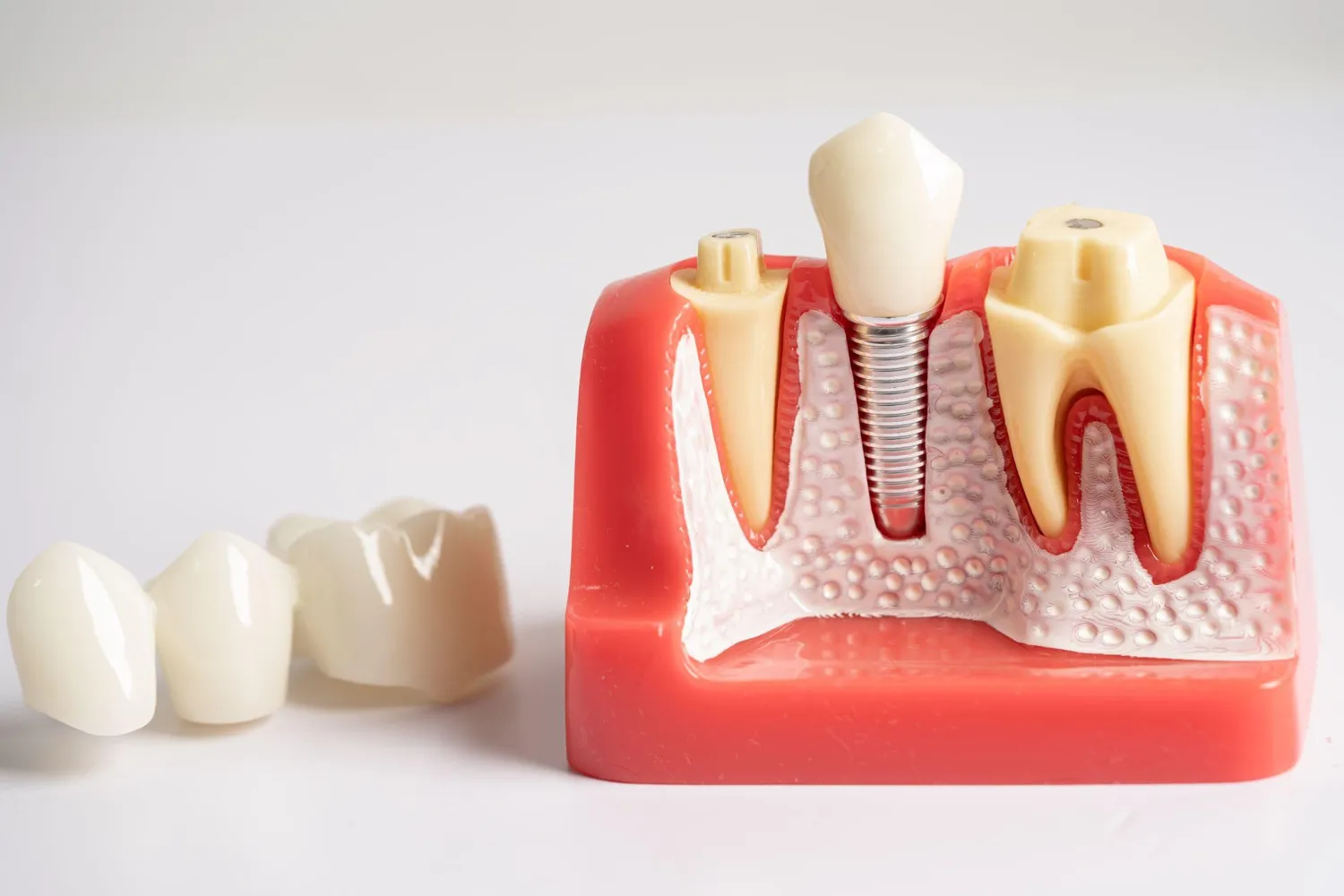
A dental implant includes three main parts that work together to replace a missing tooth. The implant post sits inside the jawbone and serves as an artificial tooth root. An abutment connects the post to the final restoration after healing is complete. The visible restoration may be a crown, bridge, or implant-supported denture, depending on how many teeth need replacement. Every piece has a specific purpose, allowing the finished restoration to look natural while remaining strong enough for daily use. Together, these components create a replacement tooth that feels secure and functions much like the original.
What Are Dental Implants Made Of?
Most dental implants are made from titanium because the material works well with the human body and has a long history of successful use. Some patients may also qualify for zirconia implants, which offer a metal-free alternative in certain situations. Both materials are durable and designed to remain stable under normal chewing pressure. Your dentist recommends the most suitable option after reviewing your oral health, treatment goals, and medical history. Material selection depends on several individual factors, not a single solution for everyone. A personalized consultation helps determine which option best fits your needs.
How Dental Implants Work
After the implant is placed, the surrounding jawbone gradually grows around it during a natural healing process called osseointegration. This connection gives the implant its strength and allows it to support a replacement tooth without shifting during daily activities. Once healing finishes, the dentist attaches the custom restoration to complete the treatment. The final result blends with nearby teeth in both appearance and function. Most patients notice improved comfort while chewing and speaking after treatment is complete. Many also appreciate that implants feel much closer to natural teeth than removable alternatives.
Why People Choose Dental Implants
People often look beyond appearance when deciding how to replace missing teeth. They want a solution that feels dependable, lasts for years, and fits comfortably into everyday life. Dental implants meet those expectations by restoring function while also supporting long-term oral health.
Long-Term Value Beyond Appearance
Dental implants are designed to last for many years with proper care. Unlike temporary restorations that may require frequent replacement, implants offer a more permanent foundation for replacement teeth. Their durability often makes them a worthwhile investment despite the higher initial cost. Many patients appreciate spending less time dealing with adjustments or replacements later. Good home care and regular dental visits help extend the lifespan of both the implant and its restoration. Looking beyond the upfront expense often provides a clearer picture of their overall value.

Everyday Comfort and Confidence
Missing teeth can make simple moments feel uncomfortable, especially during meals or conversations. Dental implants remain firmly in place, allowing people to chew, laugh, and speak without worrying about movement. This stability often makes eating a wider variety of foods more enjoyable again. Many patients also feel more comfortable smiling because their replacement teeth closely resemble natural ones. Small improvements during everyday activities often make the biggest difference over time. Greater comfort naturally supports renewed confidence in both personal and professional situations.
Different Types of Dental Implants
Dental implants come in several types to address different tooth replacement needs. The right option depends on how many teeth are missing, your jawbone health, and your overall treatment goals. After a comprehensive evaluation, your dentist will recommend the most suitable solution. Understanding these options helps you make a more informed treatment decision.
Single-Tooth Dental Implants
A single-tooth dental implant replaces one missing tooth without affecting nearby healthy teeth. The implant supports a custom crown that blends naturally with your smile. It also helps preserve the jawbone where the tooth was lost. Many patients choose this option because it feels stable and functions like a natural tooth. With proper care, a single implant can provide long-lasting results.
Implant-Supported Bridges
An implant-supported bridge replaces several missing teeth in the same area without relying on neighboring teeth for support. Instead, dental implants anchor the bridge securely in place. This approach restores chewing ability while helping maintain jawbone health. It also offers greater stability than many traditional bridges. Your dentist may recommend this option when multiple adjacent teeth are missing.
Implant-Supported Dentures
Implant-supported dentures replace an entire upper or lower arch using several strategically placed implants. Unlike removable dentures, they stay securely in place during daily activities. Many patients find them more comfortable for eating and speaking. They also provide better stability and reduce unwanted movement. This option works well for people missing most or all of their teeth.
All- On-4® Dental Implants
The All-on-4® system supports a full arch of replacement teeth using four carefully positioned implants. This technique often reduces the need for additional implants while providing excellent stability. Some patients with moderate bone loss may qualify without extensive bone grafting. Treatment times may also be shorter than traditional full-mouth implant procedures. Your dentist can determine if All-on-4® is the right solution for your needs.
Dental Implants Compared With Other Options
Replacing a missing tooth involves more than choosing the first available treatment. Every option offers different advantages depending on your oral health, budget, and long-term goals. Comparing these choices makes it easier to understand why dental implants are often recommended for permanent tooth replacement.
Dental Implants vs. Dental Bridges
A traditional dental bridge replaces missing teeth by using neighboring teeth for support. That approach often requires reshaping healthy teeth before placing the bridge. Dental implants support themselves through the jawbone, leaving nearby teeth untouched. They also help preserve bone beneath the missing tooth, something bridges cannot do. Both treatments have benefits, but implants often provide greater long-term stability. Your dentist can explain which solution best fits your specific situation.
Dental Implants vs. Dentures
Dentures replace several missing teeth or even an entire arch, but they rest on top of the gums instead of attaching to the jawbone. Some people experience slipping or movement with removable dentures while eating and speaking. Implant-supported dentures offer greater stability because the implants hold the restoration securely in place. Many patients find them more comfortable during daily activities. They also provide stronger chewing ability than traditional removable dentures. Choosing between these options depends on your oral health, lifestyle, and treatment goals.
Benefits of Dental Implants
Dental implants offer advantages that extend beyond replacing a missing tooth. They improve daily function while supporting your oral health over time. These lasting benefits explain why many dentists recommend implants for suitable candidates.
A Natural Look and Feel
Dental implants are designed to match the appearance of your natural teeth as closely as possible. Custom restorations are carefully shaped and color-matched to blend with your smile. Because the implant remains fixed in place, it feels more secure than removable alternatives. Many patients quickly adjust and stop noticing the implant during everyday activities. Speaking and smiling often become more comfortable after treatment. The finished result looks natural and doesn't draw attention to the replacement tooth.
Improved Chewing and Speech
Missing teeth can make eating certain foods more difficult than many people realize. Dental implants restore biting strength, making it easier to enjoy a balanced diet with greater comfort. Their secure foundation also improves speech by preventing unwanted movement during conversations. Patients often regain confidence when eating with others or speaking in public. Better stability allows everyday activities to feel more natural again. Small functional improvements can make a noticeable difference over time.
Support for Long-Term Jawbone Health
The jawbone naturally begins to shrink after a tooth is lost because it no longer receives regular stimulation. Dental implants help reduce this process by transferring chewing pressure into the bone, much like a natural tooth root. Preserving bone also supports facial shape and the stability of nearby teeth. Traditional bridges and removable dentures cannot stimulate the jawbone in the same way. This added benefit makes implants unique among tooth replacement options. Maintaining healthy bone contributes to better oral health for years to come.
Common Questions About Dental Implants
Many people have similar questions before deciding on dental implant treatment. Clear answers reduce uncertainty and make conversations with your dentist more productive.
How Successful Are Dental Implants?
Dental implants have a high long-term success rate with proper placement and care. Good oral hygiene, regular dental visits, and healthy habits help them last for many years. Your dentist can also identify potential issues early to help protect your results.
Are Dental Implants Painful?
Most patients experience little discomfort during the procedure because local anesthesia numbs the area. Mild soreness afterward is normal and usually fades within a few days. Following your aftercare instructions can help make recovery more comfortable.
Can Smokers Get Dental Implants?
Yes, but smoking can slow healing and increase the risk of implant failure. Your dentist will evaluate your oral health before recommending treatment. Quitting or reducing tobacco use before surgery can improve treatment success.
Can Dental Implants Get Cavities?
No, implants cannot develop cavities because they are made from artificial materials. However, healthy gums and bone still require daily care. Routine cleanings also help prevent problems around the implant.
How Long Do Dental Implants Last?
Dental implants can last for decades with good oral hygiene and regular dental checkups. The crown may eventually need replacement due to normal wear. Healthy lifestyle habits also contribute to their longevity.
How Much Do Dental Implants Cost?
The cost depends on your treatment plan, the number of implants, and any additional procedures. A dental consultation provides an accurate estimate based on your needs. Many dental practices also offer financing to make treatment more affordable.
Restore Your Smile With Dental Implants
Your smile deserves a solution that supports both your oral health and your confidence for years to come. Dental implants are only one part of comprehensive dental services that help restore function, improve comfort, and protect your overall dental health. A personalized evaluation allows your dentist to recommend the treatment that best fits your needs, whether you need a single implant or a more complete restoration. Schedule a consultation today to learn how professional dental services can help you achieve a healthier, more complete smile.
Looking for practical dental advice you can trust? Visit the See Me Smile blog for expert insights, helpful tips, and the latest information to support a healthier smile.
