Tooth pain can feel overwhelming, especially when it hits suddenly and disrupts your day or sleep. If you are dealing with sharp or constant pain, finding temporary steps to ease discomfort before visiting an emergency dentist can help you stay comfortable until you are seen.
At See Me Smile Dental & Orthodontics, patients in Santa Barbara receive gentle, family-focused care using modern tools and clear explanations. The goal is to help you feel calm, informed, and supported, even during urgent situations.
This guide walks you through what may be causing your pain, safe ways to reduce discomfort at home, and when to seek immediate care. You will also learn what to expect at your visit so you can feel more prepared and confident.
What Is A Dental Emergency?
A dental emergency is any problem involving your teeth, gums, or mouth that needs prompt care to stop pain, control bleeding, or prevent further damage. These situations often come on suddenly and can quickly worsen without treatment.
Common examples include severe tooth pain, a knocked-out or broken tooth, swelling in the face or gums, or signs of infection, such as pus or fever. Uncontrolled bleeding or injuries that affect how you bite or speak also fall into this category.
If symptoms are intense, spreading, or affecting breathing or swallowing, it is important to seek care right away. Acting quickly can protect your oral health and help prevent more serious complications.
Common Signs of Urgent Dental Issues
Severe, persistent pain that does not improve with over-the-counter medication is a clear warning sign. If the discomfort worsens over time or keeps you from sleeping, it should not be ignored.
Bleeding that continues after about 10 minutes of gentle pressure is also concerning. While minor bleeding can happen after an injury, ongoing bleeding may signal a more serious issue that needs attention.
Swelling in the face, jaw, or gums can point to infection. You may also notice fever, difficulty swallowing, or a bad taste in your mouth, all of which suggest the problem may be spreading.
A knocked-out tooth is always considered an emergency. Getting care within 30 to 60 minutes gives you the best chance of saving it. Similarly, broken or cracked teeth that expose inner layers can cause significant pain and should be treated quickly.
When to Seek Immediate Professional Help
Certain symptoms require urgent care. If you lose a permanent tooth, experience uncontrollable bleeding, or have swelling that affects breathing, you should seek help right away.
Difficulty breathing or swallowing may indicate a serious infection and should be evaluated in an emergency room. These symptoms should never be ignored.
You should also contact your dentist as soon as possible if you notice pus, severe pain that disrupts daily life, or sharp fragments from a broken tooth. These signs often indicate infection or damage that needs prompt treatment.
Milder issues, such as a small chip without pain or slight sensitivity, may not require immediate care. However, it is still important to schedule a visit to prevent the problem from worsening.
Learn the signs of unhealthy gums you should watch for.
Understanding the Causes of Sudden Tooth Pain
Tooth pain can develop for several reasons, and understanding the cause can help you respond appropriately. One common cause is tooth decay that reaches the inner pulp, where nerves are located, leading to significant discomfort.
Infections or abscesses occur when bacteria collect at the root of a tooth. This buildup creates pressure and inflammation, which can cause pain to radiate through the jaw or even to the ear.
Cracked teeth from biting hard foods or grinding can expose sensitive inner layers. This often makes teeth more reactive to temperature changes or pressure.
Gum disease can also contribute to discomfort. As gums pull away from teeth, they create pockets where bacteria can grow, leading to soreness and instability.
In some cases, sinus pressure can mimic tooth pain. Because upper teeth sit close to sinus cavities, inflammation in that area may feel like a dental issue.
Immediate Actions to Alleviate Dental Discomfort
When pain starts, simple steps can help reduce discomfort while you wait for professional care. These approaches focus on keeping the area clean and minimizing inflammation.
Gently Rinsing the Mouth
A warm saltwater rinse is often one of the first things to try. Mixing salt with warm water and gently swishing can help clear debris and soothe irritated tissue.
This method supports a cleaner environment in your mouth and may help reduce mild swelling. The warmth can also provide a calming effect on sensitive gums. Repeating this rinse every few hours can help maintain comfort until your appointment.
Managing Pain with Over-the-Counter Medications
Over-the-counter medications like ibuprofen or acetaminophen can help manage pain and reduce inflammation. When used as directed, they can make discomfort more tolerable.
It is important to follow the recommended dosage on the label. Taking more than advised will not increase effectiveness and may cause unwanted side effects.
Avoid placing medication directly on the gums or tooth, as this can irritate the tissue. If you have existing health conditions or take other medications, checking with a pharmacist can help ensure safe use.
Applying Cold Compresses Safely
A cold compress applied to the outside of your cheek can help numb the area and reduce swelling. Wrapping a cold pack in a towel protects your skin while still delivering relief.
Applying the compress for short intervals, followed by breaks, helps prevent irritation. This method is especially helpful if swelling or injury is present. Cold therapy works by narrowing blood vessels, which can reduce inflammation and ease discomfort.
Home Remedies for Temporary Relief
Some simple home remedies can provide additional short-term relief. These options are easy to access and can be used alongside other comfort measures.
Using Clove Oil for Numbing Effects
Clove oil is known for its natural numbing properties due to a compound called eugenol. When used carefully, it can help reduce localized discomfort.
Applying a small amount with a cotton swab to the affected area may provide temporary relief within minutes. It is important to use only a small amount and avoid swallowing it. If clove oil is not available, a whole clove placed near the tooth may offer mild support. While not a long-term solution, it can help bridge the gap until professional care.
Saltwater Rinse for Reducing Swelling
Saltwater rinses remain a reliable and gentle way to manage discomfort. They help reduce bacteria, support gum health, and clear away debris.
Using this rinse regularly throughout the day can help maintain a cleaner environment in the mouth. Many people notice relief within a short period after rinsing.
Because it is simple and widely tolerated, it is one of the most accessible ways to ease symptoms temporarily.
Avoiding Aggravation of Dental Issues
Preventing further irritation is just as important as managing pain. Small adjustments in daily habits can help keep symptoms from worsening.
Foods and Drinks to Avoid
Certain foods can increase sensitivity and discomfort. Extremely hot or cold items may trigger pain, especially in already sensitive teeth.
Hard or crunchy foods can put pressure on damaged areas, while sticky foods may pull on restorations such as fillings or crowns. Sugary and acidic items can also contribute to irritation.
Choosing soft, mild foods at room temperature can help reduce strain on the affected area. This allows you to eat more comfortably while waiting for care.
Importance of Not Touching or Prodding the Area
It is natural to want to check or touch a painful area, but doing so can make things worse. Hands and objects can introduce bacteria and increase the risk of infection.
Poking at a tooth or using sharp tools can damage tissue or push debris deeper. Even small actions can lead to more discomfort or complications. If something feels stuck, a gentle rinse is a safer option. Leaving the area undisturbed helps protect it until a dental professional can evaluate it.
Preparing for Your Emergency Dentist Visit
Taking a few moments to prepare for your visit can help everything go more smoothly. Being organized allows your dental team to focus on treatment right away.
Gathering Essential Information
Before your appointment, note when your symptoms started and how they have changed. Include details about pain level, swelling, or any visible damage.
It is also helpful to list medications, supplements, and any known allergies. This information helps guide safe and effective care. Bringing identification, insurance details, and any recent dental records can also save time during your visit.
Learn about the importance of routine dental checkups in winter.
What to Expect During Your Appointment
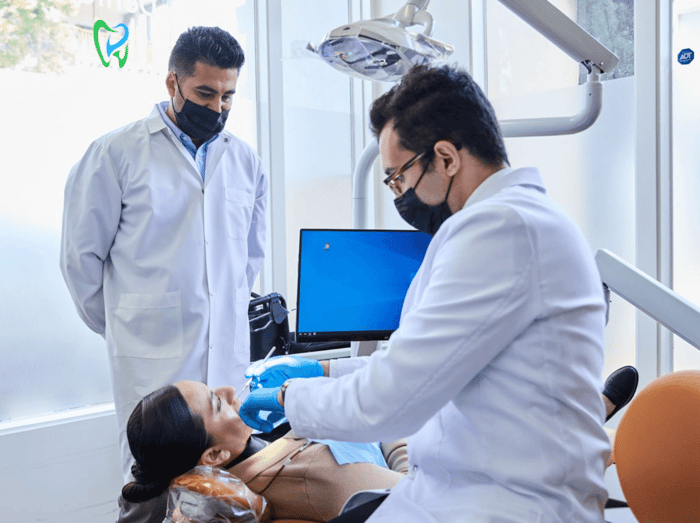
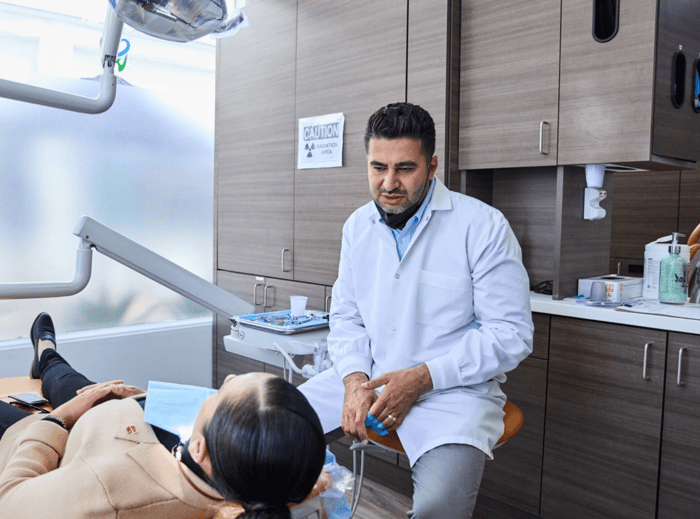
During your visit, your dentist will begin by discussing your symptoms and examining the affected area. This helps identify the source of the problem.
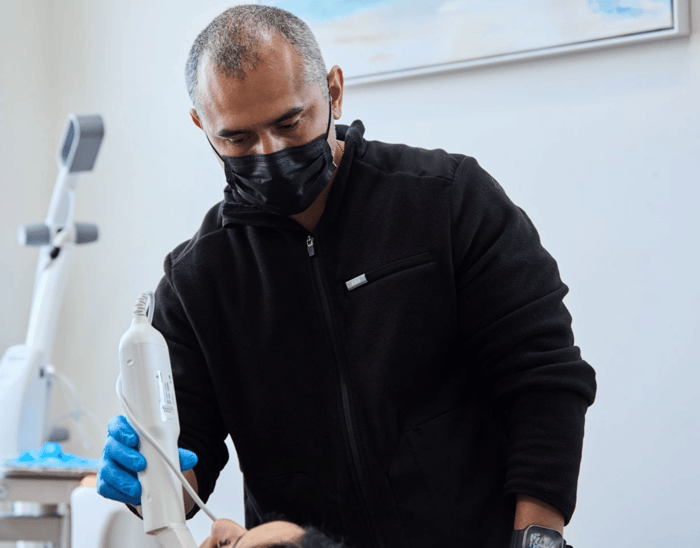
X-rays are often used to provide a clearer view beneath the surface. This allows for a more accurate diagnosis and treatment plan. Once the issue is identified, your dentist will explain your options and provide immediate care to relieve discomfort. Follow-up visits may be scheduled if additional treatment is needed.
Find Relief And Get The Care You Need
Dealing with tooth pain can be stressful, especially when it disrupts your daily life. Using temporary steps to ease discomfort before visiting an emergency dentist can help reduce pain, swelling, and sensitivity while you wait for care.
At See Me Smile Dental & Orthodontics in Santa Barbara, patients receive gentle, patient-focused care with modern tools designed to diagnose and treat dental emergencies quickly and comfortably.
If you are in pain or unsure what to do next, support is just a step away. Call our Santa Barbara Office or request an Appointment to get the care you need.
Frequently Asked Questions
How Do I Know If I Need An Emergency Dentist?
You may need an emergency dentist if you have severe pain, swelling, bleeding that will not stop, or a damaged tooth. Symptoms that interfere with eating, sleeping, or daily life should not be ignored.
If you are unsure, it is always safer to call and describe your symptoms. A dental team can help you decide how urgent your situation is.
What Are Temporary Steps To Ease Discomfort Before Visiting An Emergency Dentist?
There are several temporary steps to ease discomfort before visiting an emergency dentist, including rinsing with warm salt water, using over-the-counter pain relief, and applying a cold compress.
These options can help reduce inflammation and pain, but they do not treat the underlying issue. Professional care is still necessary.
Can A Toothache Go Away On Its Own?
Some mild toothaches may seem to improve, but the underlying cause often remains. Pain can return or worsen if the issue is not treated. It is important to have any ongoing discomfort evaluated to avoid more complex problems later.
Is It Safe To Use Home Remedies For Tooth Pain?
Many home remedies can provide short-term relief, such as saltwater rinses or clove oil. When used carefully, they can help manage discomfort until your appointment. However, they should not replace professional dental care or delay necessary treatment.
What Should I Avoid When I Have Tooth Pain?
Avoid very hot or cold foods, hard or sticky snacks, and sugary or acidic drinks. These can increase sensitivity and make discomfort worse. It is also best not to touch or poke the area, as this can introduce bacteria or cause further irritation.
What Happens During An Emergency Dental Visit?
Your dentist will examine the area, review your symptoms, and often take X-rays to identify the cause. This helps guide the most effective treatment. Immediate care focuses on relieving pain and stabilizing the issue. Follow-up visits may be needed depending on your condition.