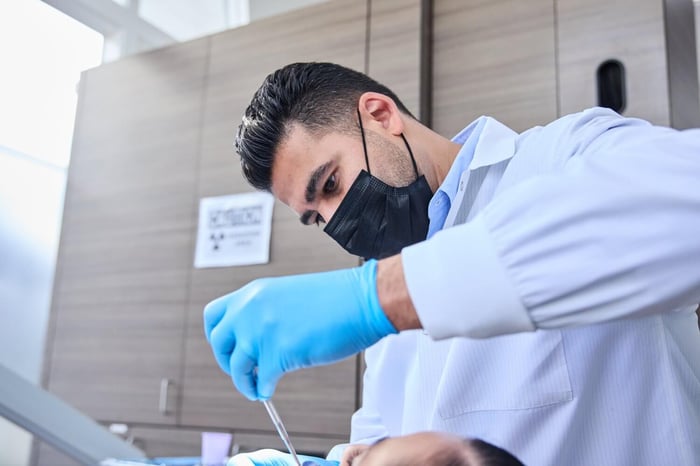
If you’ve been told you need a root canal, you may be worried about pain and feeling stuck in the chair. Root canal comfort methods that support a gentle experience can help your visit feel calmer and more controlled.
At See Me Smile Dental & Orthodontics, comfort-focused care means modern numbing, gentle techniques, and clear, step-by-step communication. You can ask questions anytime, and your care team can adjust support if you feel anxious.
This blog explains what makes a root canal feel gentle, the comfort options available, and what to expect before, during, and after treatment. You’ll also find quick FAQs to help you feel prepared and more at ease.
What Are Root Canal Comfort Methods?
Root canal treatment no longer means a painful visit. Advances in technology and care focus on your comfort through gentle, precise steps.
You’ll find treatments that reduce discomfort, ease anxiety, and support smoother healing. A gentle root canal often depends on modern tools and thoughtful technique.
What Makes A Root Canal Gentle
Your dentist uses advanced technology that targets only the infected area, helping minimize pressure and discomfort. Local numbing helps ensure you feel little to no pain during the procedure.
The process also prioritizes comfort by moving slowly and carefully. Dental teams often pair these tools with calming methods to support a stress-free visit. They listen to your concerns and explain each step clearly so you feel in control. That extra attention can make a real difference.
Importance Of Comfort In Endodontic Care
Comfort can improve your overall treatment experience and support healing. When you feel relaxed, your body often responds better.
Gentle care can reduce irritation and help protect your tooth and gums. Using the right approach, such as soft-touch tools and careful cleaning, supports the tooth without adding stress.
This kind of care also lowers the chance you’ll need extra follow-up treatment. It’s not just about the appointment, but also a smoother recovery.
Common Misconceptions About Root Canal Pain
Many people believe root canals are painful, but modern methods have changed that. With anesthesia and updated techniques, root canals can feel similar to routine dental care.
Some think the pain comes from the treatment, but it often comes from the infection itself. A root canal relieves that pain by removing the infection.
Knowing this can ease fears and make it easier to seek the care you need. Old myths can stick around longer than they should.
Pre-Treatment Approaches To Enhance Comfort
Steps before your root canal can shape how you feel during treatment. Clear information, personalized planning, and anxiety support all help create a calm visit.
Patient Education And Communication
Knowing what will happen during your root canal helps reduce fear. Your dentist explains each step clearly, so you understand why treatment is needed and what to expect.
You can ask questions at any time. That open conversation helps you feel more in control and less stressed.
Clear, simple explanations about the process, tools, and recovery support a relaxed experience. You’ll also understand the aftercare steps that help with healing.
Personalized Treatment Planning
No two patients are the same. Your comfort matters, so your dentist creates a plan based on your needs.
This includes selecting the right approach for your tooth and reviewing your health history. Planning for sensitivities and concerns helps avoid surprises.
Your team may recommend modern tools that reduce discomfort, like advanced numbing methods and gentle instruments. These choices support a smoother experience.
Anxiety Reduction Techniques
Feeling nervous is normal, and your dental team can help you settle in. Sedation options may include mild oral medication, nitrous oxide, or deeper anesthesia when appropriate.
These choices can help you relax and feel less aware of time passing. Breathing techniques and calm, supportive communication can also help. Share your worries with your dentist so they can support you throughout the visit. Reducing anxiety often improves comfort and recovery.
Modern Anesthesia Solutions For A Pain-Free Experience
You deserve to feel calm and comfortable during a root canal. Modern anesthesia options focus on easing pain and supporting a gentle experience. Local anesthetics are often the first line of comfort support. Sedation and newer delivery methods can also help, depending on your needs.
Local Anesthetics And Numbing Agents
Local anesthetics block sensations in the treated area, so you stay awake but comfortable. Common numbing agents can begin working within minutes.
The effect can last for hours, supporting comfort during and after treatment. The team monitors how you feel, so adjustments can be made if needed. Feeling numb can seem strange, but it helps keep the visit gentle and focused.
Sedation Dentistry Options
If you feel anxious, sedation can help you relax while staying safe. Options vary based on how calm you need to feel.
Nitrous oxide helps you stay awake but relaxed, and it wears off quickly. Oral sedation uses a pill to reduce anxiety and can make you drowsy.
IV sedation offers a deeper level of calm while keeping you responsive. For many patients, sedation is a helpful part of root canal comfort methods that support a gentle experience.
Advanced Injection Techniques
Modern numbing techniques can reduce discomfort during injections. Instead of one fast injection, dentists may use a smaller, slower delivery to limit pinch and pressure.
Some offices use warmed anesthetics or steadying devices to make injections feel more controlled. These details show how much focus goes into comfort.
In-Procedure Comfort Enhancements
During your root canal, several tools and methods help keep discomfort low. These include gentle technology, sound and vibration tools, and ways to keep your mind relaxed.
Each approach supports a smoother visit and helps reduce stress. For many patients, the comfort focus is a welcome surprise.
Minimally Invasive Technology
Some dentists use tools designed to be as gentle as possible. Minimally invasive methods aim to treat only the infected area while preserving healthy tooth structure.
Small, precise instruments and digital imaging support accuracy. Lasers or electric handpieces can be quieter and feel smoother than older tools.
This technology reduces unnecessary friction and vibration. The careful approach supports healing while keeping comfort front and center.
Acoustic And Vibrational Devices
Some devices use sound waves or gentle vibrations to help calm nerves and reduce discomfort. They can distract nerve signals and support muscle relaxation.
You may notice a soft buzzing during treatment. Some tools combine vibration with cooling to ease sensitivity inside the tooth. Settings can be adjusted based on your comfort level. For some patients, that steady sensation feels reassuring.
Distraction Methods During Treatment
Keeping your mind busy can help your body stay relaxed. Many offices offer music or TVs, and some provide headphones with noise-canceling options.
Focusing on a show or music can shift attention away from the procedure. Gentle breathing or guided relaxation may also be offered. These small supports can help you feel more in control. Distraction is a simple tool that can make a big difference.
Aftercare And Recovery Comfort Strategies
Caring for your tooth after a root canal supports comfort and healing. Simple choices can reduce soreness and help you feel better sooner.
Knowing what’s normal can also ease worry. If something feels off, checking in with your dental team is always appropriate.
Pain Management Post-Treatment
Mild soreness and sensitivity can be normal after a root canal. Over-the-counter pain relievers, such as ibuprofen or acetaminophen, often help.
Use medication as directed on the label or as your dentist recommends. Avoid chewing on the treated side until numbness and soreness improve.
If pain worsens or lasts more than a few days, contact your dental office. A cold pack on your cheek can help reduce swelling during the first 24 hours.
Soothing Care Tips At Home
Gentle care at home supports healing. Warm salt water rinses can help keep your mouth feeling clean and comfortable.
Avoid hard, sticky, or chewy foods for several days to prevent irritation. Soft foods like yogurt, soup, and mashed potatoes can feel easier.
Sleep with your head slightly elevated to reduce swelling. Avoid smoking or using straws, since that can slow healing.
Monitoring And Follow-Up For Well-Being
Pay attention to how your tooth and gums feel after treatment. Mild tenderness is common, but severe pain, ongoing swelling, or fever means you should call your dentist.
A follow-up visit helps confirm healing and that the tooth is fully sealed. Keeping that appointment supports long-term success. If you notice changes that worry you, reach out. It’s usually better to ask than to sit with stress.
Feel More At Ease About Your Root Canal
Worry about pain is one of the biggest reasons people delay a root canal. Modern comfort methods focus on gentle care, effective numbing, and reduced stress, so treatment feels more manageable than many expect.
At See Me Smile Dental & Orthodontics, the focus is on listening to your concerns and adjusting care to support a calm, comfortable visit. Clear explanations and patient-centered techniques help take the fear out of treatment.
If pain or anxiety is holding you back, you’re not alone. Request an appointment or call our Santa Barbara Office to talk through comfort options and feel more confident about your next step.
Frequently Asked Questions
What Are Some Effective Pain Management Strategies For Root Canal Patients?
Local anesthesia fully numbs the area, so you should not feel pain during the procedure. If you feel nervous, your dentist may offer sedation options. After treatment, over-the-counter pain relievers often work well. Many people are surprised by how manageable recovery feels.
Are There Specific Techniques Used By Dentists To Make Root Canals More Comfortable?
Dentists use precise, modern tools designed to reduce discomfort and improve efficiency. Gentle cleaning and shaping, along with digital imaging, help guide treatment safely.
These techniques are part of root canal comfort methods that support a gentle experience. The goal is to keep the process steady and controlled.
What Can I Expect During A Root Canal In Terms Of Comfort And Pain Relief?
You’ll feel numb before the work starts, so you should not have pain. You may feel pressure as the dentist cleans inside the tooth. If you feel anything sharp or uncomfortable, let the team know right away. Comfort adjustments can often be made quickly.
Can Certain Relaxation Methods Help Reduce Anxiety During A Root Canal Procedure?
Yes. Deep breathing, listening to music, and guided relaxation can help ease nerves. Tell your dentist how you’re feeling so they can support you with calming techniques. Asking for extra support is common and encouraged.
What Are The Best Ways To Prepare For A Root Canal To Ensure A Smoother Experience?
Get good sleep, eat a light meal if allowed, and follow any instructions from your dentist. Consider bringing headphones or a playlist that helps you relax. Clear communication with your care team can help you feel informed and prepared. A little planning can help the visit feel easier.
How Can Aftercare Contribute To Comfort Following A Root Canal Treatment?
You’ll likely be told to avoid hard foods and keep the area clean. Those steps support comfort and protect the tooth while it settles. Use pain relief as recommended and keep follow-up visits. Strong aftercare can reduce swelling and support faster healing.