Jaw soreness, pressure, and stiffness can be frustrating, especially when they seem to come out of nowhere. For many people, this is how wisdom teeth can affect jaw comfort, as they try to emerge without enough space.
At See Me Smile Dental & Orthodontics, we regularly see patients dealing with jaw pain linked to wisdom teeth. Crowding, pressure on nerves, and inflammation can all contribute to ongoing discomfort that affects eating, talking, and daily life.
This blog explains how wisdom teeth can affect jaw comfort, what symptoms to watch for, and when treatment may help. You’ll also learn how modern care can reduce pain and protect long-term jaw health.
What Are Wisdom Teeth?
Wisdom teeth, those third molars way in the back, usually come in sets of four. Some people have fewer, or none. Back in the day, they helped our ancestors chew rough foods, but now, they’re mostly just problematic.
Sometimes, these teeth get stuck in your jawbone or gums. That’s called being “impacted,” and it can lead to pain or swelling. Lots of folks end up needing them out to avoid damage or just to get rid of that nagging discomfort.
When Do Wisdom Teeth Erupt?
Wisdom teeth usually make their move between the ages of 17 and 25. For some, it’s a long, drawn-out process, and sometimes they never break through at all.
If your mouth doesn’t have enough space, those teeth might push against others, causing soreness or shifting your bite. Not exactly fun.
Common Issues With Wisdom Teeth
Wisdom teeth often crowd the jaw because, let’s face it, there’s just not much room left by the time they show up. This crowding can lead to jaw pain or even headaches.
Sometimes, they only partially erupt, leaving a flap of gum that traps food and bacteria. That can turn into an infection pretty quickly.
Impacted wisdom teeth may also harm nearby teeth or nerves. If you notice pain, swelling, or find it tough to open your mouth, your wisdom teeth could be the culprits.
How Wisdom Teeth Impact Jaw Comfort
Wisdom teeth stir up all kinds of jaw problems. They might press on other teeth, cause pain, or push your teeth out of place. It’s good to know these effects so you can catch issues early.
Pressure and Crowding
When wisdom teeth try to squeeze in, but there’s no room, they push on your other teeth. That pressure makes your jaw feel tight and sore.
You might notice your teeth shifting or feeling crowded, especially in the back. Crowding can mess with your bite and make chewing awkward. Sometimes, your gums near the back swell up or get tender from all that pressure.
Consistent tightness or shifting teeth? Might be time for an exam to see if your wisdom teeth are to blame.
Jaw Pain and Discomfort
Wisdom teeth can cause pain not just around the teeth, but all over your jaw. When they push on your bone or nerves, you might get a dull ache or even sharp pain.
Opening your mouth wide or chewing can get uncomfortable fast. If a wisdom tooth is impacted, it can trigger inflammation and infection, which only adds to the pain. Sometimes, jaw muscles tense up from clenching or grinding caused by the discomfort.
Misalignment of Teeth
Wisdom teeth can nudge your other teeth out of place, especially if they come in at weird angles. Your front or side teeth might start to shift.
This can change how your teeth meet when you bite, making chewing harder or wearing your teeth unevenly. Over time, misalignment can cause more jaw pain and even hurt your gums or jawbone if you ignore it.
Orthodontic treatments or wisdom tooth removal can often restore better alignment and reduce the strain. Regular checkups help spot these changes before they become a bigger deal.
Symptoms of Jaw Discomfort From Wisdom Teeth
Wisdom teeth can spark all kinds of jaw pain and trouble. You might notice soreness, trouble moving your jaw, or pain that radiates to your head or ears. These symptoms usually show how your wisdom teeth are affecting your jaw’s comfort and function.
Tenderness and Swelling
You might feel tenderness in your jaw near where wisdom teeth are trying to come in. These teeth grow close to your jaw’s nerves, so pressure and irritation aren’t uncommon.
Gums around the wisdom teeth can swell or turn red. Swelling makes chewing or even touching the spot uncomfortable. The tenderness often gets worse when you bite down or try to clean around those teeth.
Difficulty Opening the Mouth
When wisdom teeth push against your jaw or other teeth, your jaw muscles can stiffen up. You might struggle to open your mouth fully or feel like your jaw is stuck.
This tightness makes eating or talking tougher than usual. The jaw joints and muscles get stressed from the pressure of misaligned wisdom teeth, so it’s best to handle it before it gets worse.
Headaches and Earaches
Pain from wisdom teeth sometimes travels to your head or ears. You might get headaches or earaches out of nowhere.
That’s because the nerves in your jaw connect to other parts of your head. If you’re having these pains along with jaw soreness, wisdom teeth could be the culprit. Managing these problems early can help keep things from spiraling.
Risks Associated With Impacted Wisdom Teeth
Impacted wisdom teeth can cause all sorts of issues for your jaw comfort and oral health. Problems range from infections to actual damage inside your jaw. Knowing what to watch for can help you dodge serious complications.
Infection and Inflammation
When wisdom teeth get stuck, they don’t fully break through the gum. Food and bacteria can build up around the area, which is a recipe for swelling, pain, or redness in the back of your mouth.
Infections make chewing or opening your mouth tough. Sometimes, you’ll notice bad breath or a funky taste from the infection. If you let it go, the infection can spread to other teeth or into your jaw.
Cysts and Damage to the Jawbone
Impacted wisdom teeth can sometimes cause cysts, basically, little fluid-filled sacs that form around the tooth. These cysts may grow slowly and weaken your jawbone.
If a cyst causes damage, it can mess with the roots of nearby teeth and make your jaw sore or stiff. Rarely, bone loss gets bad enough to need more involved treatment to get things back to normal.
Diagnosing and Managing Wisdom Teeth Issues
Figuring out if your wisdom teeth are the reason for jaw pain usually starts with a good exam. Dentists and orthodontists have ways to spot problems early and help keep your jaw feeling decent.
Dental Examinations and X-Rays
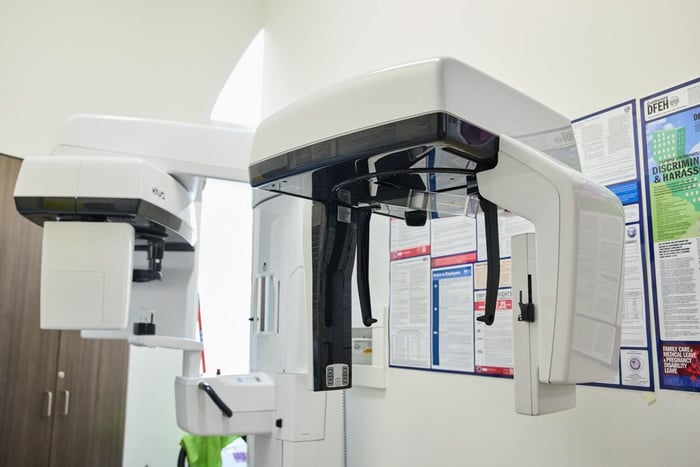
Your dentist checks your mouth for swelling, tenderness, and how your wisdom teeth fit in. X-rays are super helpful. They reveal if your wisdom teeth are impacted, growing at odd angles, or putting pressure on other teeth.
X-rays also catch hidden problems like cysts or jawbone damage. That way, your dentist can plan the right care. If you’re dealing with jaw pain or stiffness, a dental exam can pinpoint the cause before it gets out of hand.
Regular checkups track how your wisdom teeth are coming in. Any changes in alignment or new discomfort can be handled early. Modern X-ray tools make this process fast and pretty comfortable, giving a clear look at what’s going on.
Orthodontic Evaluations
If your wisdom teeth are messing with your alignment, an orthodontic evaluation is a smart move. The orthodontist checks your bite to see if wisdom teeth are shifting things and causing jaw soreness.
Sometimes, wisdom teeth pressure can undo previous orthodontic work or create tight spots. Your orthodontist might suggest adjusting braces or removing wisdom teeth to keep your jaw comfortable.
Regular orthodontic checks can catch future problems early and let you tweak your plan as needed. You’ll get steps to keep your jaw and teeth comfortable for the long haul.
Find Relief From Wisdom Tooth–Related Jaw Pain
Jaw tightness, soreness, and pressure can make everyday activities uncomfortable. When wisdom teeth are involved, that discomfort often builds slowly as crowding, inflammation, or shifting teeth strain the jaw.
At See Me Smile Dental & Orthodontics, we help patients understand what’s causing their jaw pain and what options may ease it. Clear exams and gentle care can reduce discomfort and protect long-term jaw function.
If jaw pain is lingering or getting worse, request an appointment to have your wisdom teeth evaluated. Getting answers early can help restore comfort and peace of mind.
Frequently Asked Questions
What are some methods to alleviate jaw pain due to wisdom teeth?
Try a cold compress on your jaw to bring down swelling. Over-the-counter pain meds can help, too. Gentle jaw stretches and skipping hard or chewy foods might make things a bit easier.
What symptoms indicate a wisdom tooth might be pressing on a nerve?
If you get sharp, shooting pain or numbness in your jaw, lips, or tongue, a nerve might be involved. Tingling or trouble feeling parts of your mouth are also red flags.
Is it possible for wisdom teeth to cause jaw discomfort on only one side?
Absolutely. Wisdom teeth rarely play fair. If one’s impacted or pushing on nearby teeth, you’ll probably feel it just on that side.
Why does my jaw hurt when I open my mouth, and could it be related to wisdom teeth?
Pain when opening your mouth could be from pressure or infection around your wisdom teeth. Sometimes, the jaw joint gets strained from teeth shifting or swelling in the area.
How long is jaw pain typically expected to last when associated with wisdom teeth?
Jaw pain from wisdom teeth can last anywhere from a few days to a few weeks. If it sticks around longer, it’s probably best to get it checked out.
Does the removal of wisdom teeth usually resolve jaw tension and pain?
Getting your wisdom teeth out often helps with jaw pain and that annoying pressure from crowding or an infection. Most folks notice their comfort improves as the area heals up.