Figuring out how to choose between Invisalign and braces can feel stressful, especially when you want a great result without guessing wrong.
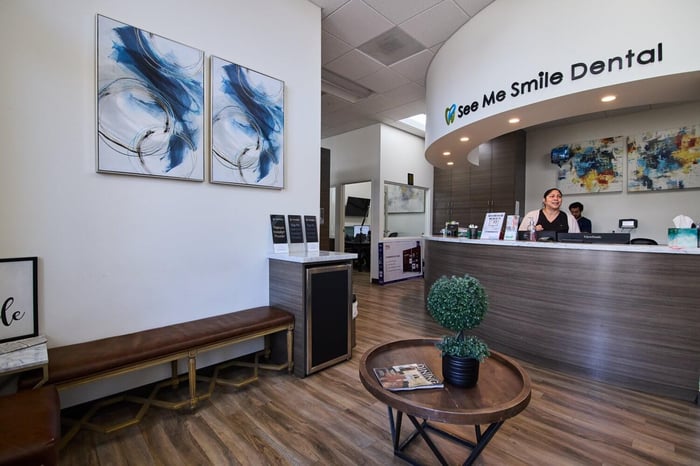
At See Me Smile Dental & Orthodontics, we keep it simple. You’ll get clear answers, gentle care, and modern tools so you can feel comfortable and confident.
This guide breaks down what Invisalign and braces are, how they feel day to day, what they’re best at, and how to decide with your orthodontist.
What Is Invisalign?
Invisalign uses clear, custom-made trays that fit snugly over your teeth. These trays shift your teeth gently over time.
The aligners are clear, so they’re very hard to see while you wear them. You can remove Invisalign trays when eating, brushing, or flossing, which makes cleaning easier.
Treatment with Invisalign is usually comfortable because the plastic aligners have no metal parts to irritate your mouth. You switch sets of trays every one to two weeks as your teeth move into place.
How Traditional Braces Work
Braces use metal brackets glued to your teeth with wires threaded through them. These wires apply steady pressure to move your teeth slowly into the right positions.
You can’t remove braces yourself; they stay on until your treatment is done. Braces are very effective for a wide range of dental issues, including more complex cases.
You need to be careful with your eating habits because hard or sticky foods can damage the brackets or wires. Regular visits to your orthodontist are important to tighten and adjust the wires for steady progress.
Comparison Of Treatment Methods
Feature | Invisalign | Traditional Braces |
Visibility | Clear and nearly invisible | Metal brackets and wires visible |
Removability | Removable for eating and cleaning | Fixed until treatment ends |
Comfort | Smooth plastic, less irritation | Metal parts can cause soreness |
Food Restrictions | Fewer restrictions (remove trays) | Avoid sticky/hard foods |
Treatment Range | Best for mild to moderate cases | Can handle complex cases |
Maintenance | Clean trays daily | Careful brushing around brackets |
Invisalign offers a discreet and flexible choice if you want to keep your treatment low-key and easy to manage. Braces might be the better option if your teeth need more significant correction.
Key Considerations For Choosing
When deciding how to choose between Invisalign and braces, think about how well each option fits your specific dental needs. You’ll want to consider effectiveness, treatment time, and how noticeable the braces or aligners will be during your daily life.
Effectiveness For Different Dental Issues
Braces are generally more effective for complex dental problems. If you have severe crowding, large gaps, or significant bite issues, braces can provide greater control to move your teeth into the right position.
Invisalign works best for mild to moderate issues like minor crowding or small spacing. Clear aligners gradually shift your teeth using custom plastic trays, but may not handle severe cases as predictably.
Treatment Duration
The length of treatment varies depending on your dental condition and which method you choose. Braces often require 18 to 36 months, especially for complicated cases.
Invisalign treatments typically last around 12 to 18 months, but this can change based on how well you wear the aligners and the complexity of your alignment.
Both treatments require regular check-ins to track progress. Staying consistent with appointments and following your orthodontist’s instructions will help you achieve the best results in the expected time.
Aesthetics And Visibility
Invisalign clear aligners are nearly invisible, making them a popular choice if you want a discreet way to straighten your teeth. The clear plastic trays fit snugly and can be removed when eating or brushing, which keeps them less noticeable.
Traditional braces use metal or ceramic brackets with wires and are more visible. Some people choose braces for younger patients or when aesthetics are less of a concern. Choosing between the two depends on how much you want the treatment to show and your lifestyle.
Lifestyle And Comfort Factors
Figuring out how to choose between Invisalign and braces means thinking about how each fits your daily routine and comfort needs. You’ll want to weigh easy cleaning, eating habits, and how comfortable you’ll feel wearing them.
Daily Maintenance
With Invisalign, you remove the aligners to brush and floss normally. This makes keeping your teeth clean easier.
You’ll need to clean the trays daily with a special cleaner or a gentle brush to avoid buildup. Braces stay fixed to your teeth, so brushing takes more time.
You must clean around brackets and wires carefully to prevent plaque. Flossing usually requires a threader or special tools, which can feel tricky at first.
If you value quick tooth care, Invisalign may work better. For steady devices, braces might suit you. Both need commitment to good oral hygiene for healthy teeth.
Eating And Drinking Restrictions
Invisalign lets you remove the trays before you eat or drink anything besides water. This means no food restrictions while you’re wearing them. Just be sure to brush your teeth before putting the aligners back on to avoid stains and cavities. Braces come with more limits.
Sticky, hard, or crunchy foods can damage the brackets or wires, so you’ll need to avoid things like gum, popcorn, or hard candy. Cutting food into smaller pieces helps protect your braces.
If you like eating freely or often snack, Invisalign offers more flexibility. Braces mean adjusting your diet to keep the hardware safe.
Comfort During Treatment
Invisalign aligners are made of smooth plastic that fits snugly over your teeth. You might feel some pressure when switching to a new set, but they generally cause less mouth irritation.
Braces can cause soreness, especially after adjustments. The wires and brackets may rub against your cheeks or lips, sometimes needing wax to prevent discomfort. It can take a few days to get used to the feeling. Comfort depends on your preference for removable vs. fixed devices.
Cost And Insurance Coverage
Choosing between Invisalign and braces often comes down to how much you can expect to pay and what your insurance might cover. Both options have different price ranges and insurance benefits to consider before making your choice.
Average Treatment Costs
Traditional metal braces usually cost less than other options. You might pay between $3,000 and $7,000 for metal braces.
Ceramic braces, which are less noticeable, tend to be a bit more expensive, often in the range of $4,000 to $8,000. Invisalign treatments generally cost more, typically between $4,000 and $8,500.
The exact price depends on how long your treatment lasts and how complex your case is. Remember, costs can also include your adjustment visits and retainers after treatment.
What Insurance Typically Covers
Most dental insurance plans offer some coverage for orthodontic treatment. Typically, they cover about 50% of the cost for braces or Invisalign, up to a set limit, often around $1,000 to $3,000.
Some plans only cover braces and not Invisalign because the latter is considered a cosmetic option by some insurers. Check your insurance plan before you start treatment. Financing options may also be available to make your care more affordable.
Making Your Decision
Choosing between Invisalign and braces depends on what matters most to you, such as how each option fits your lifestyle, comfort, and treatment goals. It’s important to get expert advice and consider your personal needs before deciding.
Consulting With An Orthodontist
Talking with an orthodontist is the best first step. They can look at your teeth and explain which treatment will work best for your specific case.
An orthodontist will evaluate how much correction you need. For complex problems, traditional braces may be the better choice.
Invisalign works well for mild to moderate tooth movement. You can ask questions about comfort, removal, and any concerns. This advice helps you make a confident, realistic decision about your smile.
Personal Preferences And Needs
Your schedule, comfort, and how you feel about the look of your treatment play a big role in choosing between Invisalign and braces.
If you want something low-profile, Invisalign’s clear trays are nearly invisible and can be taken out for eating and cleaning. This can be helpful if you play sports or have social events.
Braces are fixed, so they work all day without you thinking about them. They may feel like less personal effort in staying consistent, but may need more cautious eating habits.
Consider if you can commit to wearing Invisalign trays 20 to 22 hours each day. If you prefer a hands-off approach, braces might suit you better. Think about your budget, too. Invisalign can sometimes cost more due to the technology used.
Feeling Confident About Your Choice
Choosing between Invisalign and braces doesn’t have to feel overwhelming. Both options can straighten your teeth safely and effectively when matched to your needs.
At See Me Smile Dental & Orthodontics, we focus on reducing uncertainty with clear guidance, gentle care, and treatment plans built around your comfort and goals.
If you’re ready for clarity, request an appointment or call our Santa Barbara Office to talk through your options and move forward with confidence.
Frequently Asked Questions
What Are The Cost Differences Between Invisalign And Traditional Braces?
Invisalign often costs a bit more than traditional braces, but prices can vary based on the complexity of treatment. Braces use metal brackets and wires, which tend to be more affordable and last throughout the treatment.
Can You Compare The Treatment Times For Invisalign And Braces?
Treatment with braces usually takes about 18 to 24 months. Of course, your specific case might shift that timeline a bit.
Invisalign sometimes works faster, especially for mild or moderate alignment issues. For more complex cases, though, it can actually take longer than you’d expect.
How Effective Is Invisalign Compared To Braces For Teenagers?
Both options straighten teeth for teens pretty well. Invisalign handles a lot of common orthodontic problems, but braces might be the better choice if the alignment is really severe.
Some people just feel more comfortable with a treatment that doesn’t rely on remembering to wear trays all the time. That’s where braces have the edge. They do their thing 24/7, no reminders needed.
What Are The Pros And Cons Of Invisalign Versus Braces?
Invisalign’s nearly invisible, and you can pop the trays out for eating or cleaning. That’s a huge plus for some folks.
But you really do need to stick to the schedule and wear them as much as you’re supposed to. Braces are fixed, so you can’t lose them or forget to put them back in, but they’re definitely more noticeable and can be a bit uncomfortable at times.
Are There Any Noticeable Before-and-After Differences When Choosing Between Invisalign And Braces?
Both treatments can get you that straighter, healthier smile in the end. The real difference is how you look while you’re going through it.
Invisalign’s a lot less visible. Braces, on the other hand, stand out more, though some people actually like picking out band colors.
Why Might A Dentist Recommend One Treatment Over The Other?
Your dentist or orthodontist might suggest braces if you need significant tooth movement. Braces can also make sense if you have trouble keeping Invisalign trays in.
Invisalign could be a better choice if you want something more discreet and can commit to wearing the aligners consistently. It really comes down to what fits your lifestyle and what you’re willing to stick with day to day.