

Missing a tooth can affect far more than the way your smile looks. Everyday activities like eating, speaking, and even maintaining healthy teeth become more challenging over time. Dental implants replace missing tooth roots with a secure foundation that supports a natural-looking replacement tooth, making them one of today's most reliable restorative options. Their ability to bond with the jawbone sets them apart from other tooth replacement methods and contributes to their long-term stability. Understanding how dental implants work makes it easier to know what happens during treatment and why many people choose them for lasting results.
Dental Implants at a Glance
Dental implants restore missing teeth by replacing the tooth root instead of sitting on the gums. This design creates a secure foundation that supports natural chewing, speaking, and smiling. Before exploring each treatment stage, it helps to understand the basics behind this modern tooth replacement option.
What is a Dental Implant?
A dental implant is a small medical-grade post made from titanium or ceramic. The dentist places it into the jawbone where a tooth once existed. After healing, the implant supports a custom-made crown, bridge, or denture. Together, these components create a replacement that closely matches the appearance and function of a natural tooth. Unlike removable appliances, implants remain fixed in place during everyday activities. Many patients appreciate the stability because it feels familiar and dependable.
Quick Facts About Dental Implants
Dental implants replace missing tooth roots instead of simply filling empty spaces. They can restore one tooth, several teeth, or an entire arch when necessary. Most healthy patients experience high long-term success rates after treatment. With proper care, many implants remain functional for decades. They also help maintain the jawbone after tooth loss, reducing the bone changes that often occur over time. These advantages make implants one of today's most predictable tooth replacement options.
Why Dental Implants Feel Like Natural Teeth
Natural teeth stay firmly in place because their roots anchor them inside the jawbone. Dental implants recreate that same support by becoming part of the bone during healing. This connection explains why implants feel more secure than many other replacement options.
The Role of Osseointegration
After the implant is placed, the surrounding bone begins attaching directly to its surface. This natural healing process is called osseointegration. Instead of treating the implant as a foreign object, the body gradually accepts it as stable support. The bond strengthens over several months while the jaw continues healing. Once the process finishes, the implant can support everyday biting and chewing with confidence. This strong foundation separates dental implants from many traditional tooth replacement methods.
Why the Jawbone Matters
Healthy bone gives the implant the support it needs to stay stable. When a tooth remains missing for a long period, the surrounding bone often begins shrinking. That natural change happens because the bone no longer receives stimulation from the missing tooth root. Dental implants restore that stimulation during normal chewing. This continued activity helps preserve the jawbone and supports the face's natural shape. Strong bone also contributes to the long-term success of the restoration.
The Parts of a Dental Implant
Although a completed implant looks simple, several carefully designed components work together behind the scenes. Each part has a specific purpose that contributes to comfort and durability. Understanding these pieces makes the overall treatment process much easier to follow.
The Implant Post and Abutment
The implant post acts as an artificial tooth root inside the jawbone. Titanium remains the most common material because it bonds well with bone and has decades of successful use. Some patients prefer ceramic implants because they offer a metal-free alternative. Once healing finishes, the dentist attaches an abutment to the implant post. This connector supports the replacement tooth above the gums. Every component fits together precisely to create a secure restoration.

The Custom Dental Crown
The dental crown becomes the visible part of the implant restoration. Dentists design each crown to match the surrounding teeth in shape, size, and color. Modern materials create a natural appearance while providing excellent durability. The finished crown also restores normal biting and chewing ability. Most people cannot distinguish an implant crown from a healthy natural tooth. That combination of appearance and function makes implants a popular long-term solution.
The Dental Implant Process Step-by-Step
Dental implant treatment happens in carefully planned stages rather than in a single visit. Each step prepares the mouth for the next, creating a stable result that can last for many years. Knowing what happens throughout the process helps patients feel more comfortable before treatment begins.
Consultation and Treatment Planning
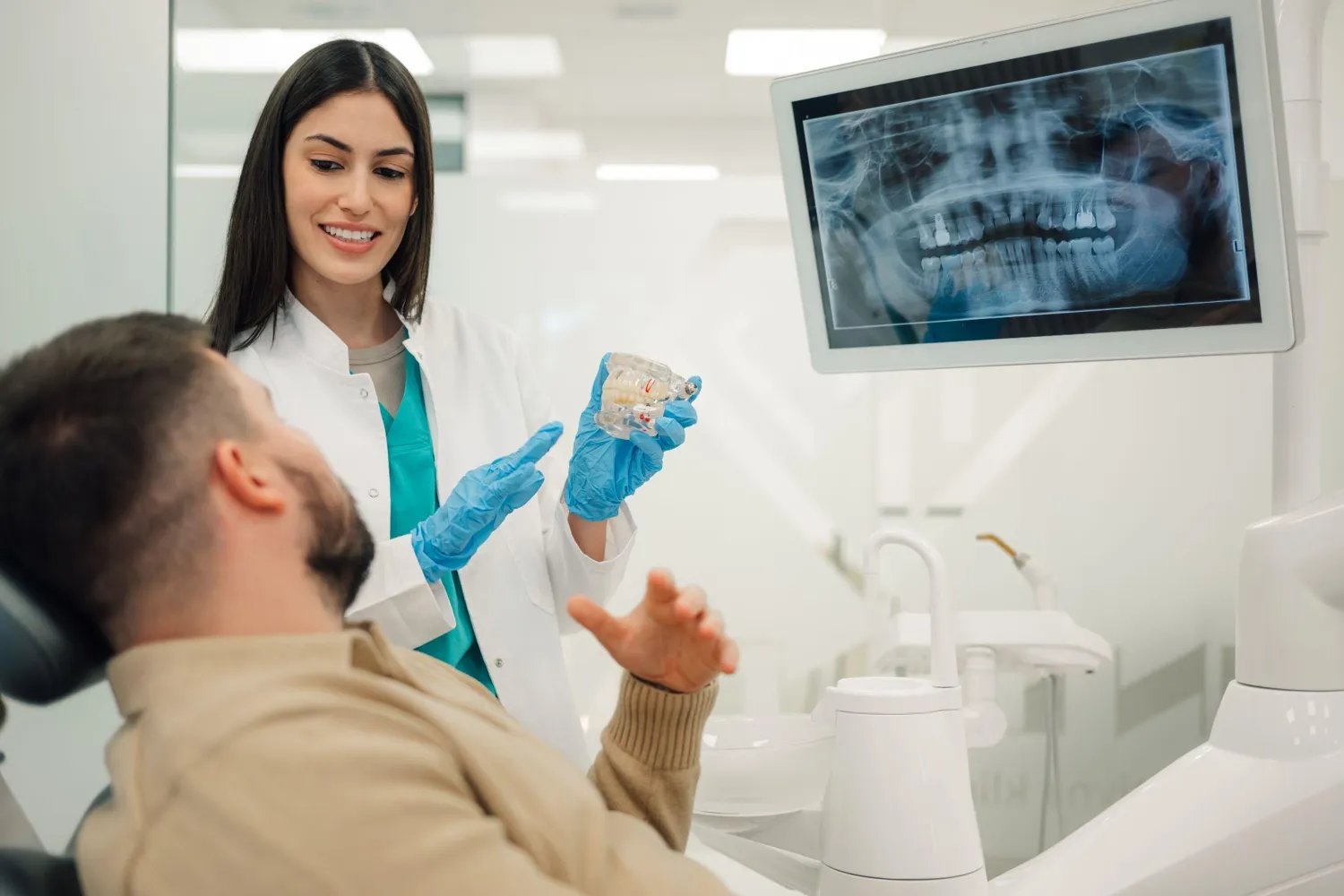
Every implant journey starts with a comprehensive dental examination. The dentist reviews your oral health, medical history, and treatment goals before recommending a plan. Digital X-rays or a three-dimensional CBCT scan provide detailed images of the jawbone and nearby structures. These images help determine the safest position for each implant while identifying any concerns that need attention first. Careful planning also allows the dentist to create a restoration that looks natural and fits comfortably. A personalized treatment plan gives patients realistic expectations from the beginning.
Implant Placement and Healing
The implant procedure usually takes place under local anesthesia, although additional sedation may be available for some patients. After preparing the treatment area, the dentist places the implant into the jawbone and closes the gum tissue around it. Healing begins immediately as the surrounding bone starts bonding with the implant. Most people return to normal daily activities within a few days when they follow aftercare instructions. The healing period often lasts between three and six months, depending on individual circumstances. Once the implant becomes stable, the dentist attaches the abutment and permanent crown to complete the restoration.
How Long Does the Entire Process Take?
The complete treatment timeline varies because every smile heals differently. Some patients move through the process in a few months, while others need additional time before receiving the final crown. Procedures such as tooth extractions or bone grafting may extend the overall schedule. Your dentist monitors healing at each stage before moving forward with the next step. Taking enough time allows the implant to develop a strong foundation. That patience often leads to better long-term results.
Who is a Good Candidate for Dental Implants?
Many adults qualify for dental implants, but a professional evaluation determines the best approach for each individual. Oral health, bone quality, and overall health all influence treatment recommendations. Understanding these factors helps patients know what dentists look for during an assessment.
Signs You May Be a Good Candidate
You may qualify for dental implants if you have one or more missing teeth and healthy gums. Adequate jawbone provides the support needed for successful healing. Good daily oral hygiene also contributes to long-term implant health. Most dentists review medical conditions that could affect healing before beginning treatment. People who smoke may still receive implants, although quitting often improves treatment outcomes. A thorough examination provides the clearest answer about your eligibility.
When Bone Grafting May Help
Some patients lose bone after living with missing teeth for several years. When this happens, the dentist may recommend bone grafting before placing an implant. The graft encourages new bone growth and creates stronger support for the future implant. Healing takes additional time, but many patients benefit from this extra preparation. Modern grafting techniques have made treatment more predictable than ever. Building a stronger foundation improves the chances of long-term success.
Benefits Beyond Replacing Missing Teeth
Dental implants improve more than the appearance of a smile. They also restore everyday function while helping protect long-term oral health. These lasting advantages explain why many patients choose implants over other replacement options.
Everyday Comfort and Confidence
A stable tooth replacement allows people to eat a wider variety of foods comfortably. Speaking often becomes easier because the restoration stays securely in place. Many patients also smile more confidently after replacing missing teeth. Unlike removable dentures, implants do not shift during conversations or meals. That added stability makes daily activities feel more natural. Small improvements throughout the day often create a noticeable difference in overall confidence.
Protecting the Jaw and Nearby Teeth
A missing tooth affects more than the space in your smile. Nearby teeth may gradually shift as they try to fill the gap. At the same time, the jawbone often begins shrinking without a tooth root to stimulate it. Dental implants help slow those bone changes by restoring normal chewing pressure. They also leave neighboring healthy teeth untouched, unlike some traditional bridges. Preserving existing teeth and bone supports better long-term oral health.
More Than One Tooth Can Be Replaced
Dental implants work well for more than single missing teeth. Dentists can use them to support implant bridges when several teeth are missing together. They also provide stable support for implant-supported dentures that replace a full row of teeth. Some patients receive full-arch restorations using only a limited number of implants. The treatment plan depends on the number of missing teeth and the condition of the jawbone. Your dentist recommends the option that best matches your needs.
Common Questions About Dental Implants
Many people have questions before deciding on dental implant treatment. Clear answers help set realistic expectations and make the process easier to understand. These common concerns often come up during the initial consultation.
Can Dental Implants Fail?
Dental implants have a high success rate, but poor oral hygiene, smoking, infection, uncontrolled diabetes, or insufficient bone can increase the risk of failure. Teeth grinding may also place excessive pressure on the implant over time. Good home care and regular dental visits greatly improve long-term success.
Are There Any Risks?
Like any surgical procedure, dental implant treatment carries some risks, including infection, delayed healing, or temporary swelling. Rare complications may involve nerve irritation or sinus issues, but careful planning helps reduce these possibilities. Choosing an experienced dental provider further supports safe and predictable treatment.
Can Older Adults Receive Dental Implants?
Age alone rarely determines whether someone can receive dental implants. Dentists evaluate overall health, gum condition, and jawbone quality before recommending treatment. Many older adults enjoy successful, long-lasting results with proper care.
See How Dental Implants Restore Function
Living with a missing tooth often becomes more challenging as time passes because the jawbone and surrounding teeth continue to change. Understanding how dental implants work helps you recognize why they remain one of the most dependable options for replacing missing teeth and restoring everyday comfort. A personalized consultation can determine whether implant treatment fits your needs and goals, giving you the information to make a confident decision about your oral health.
The best treatment decisions start with reliable information. Explore the See Me Smile blog for straightforward articles that answer common dental questions and help you better understand your options before your next appointment.
