
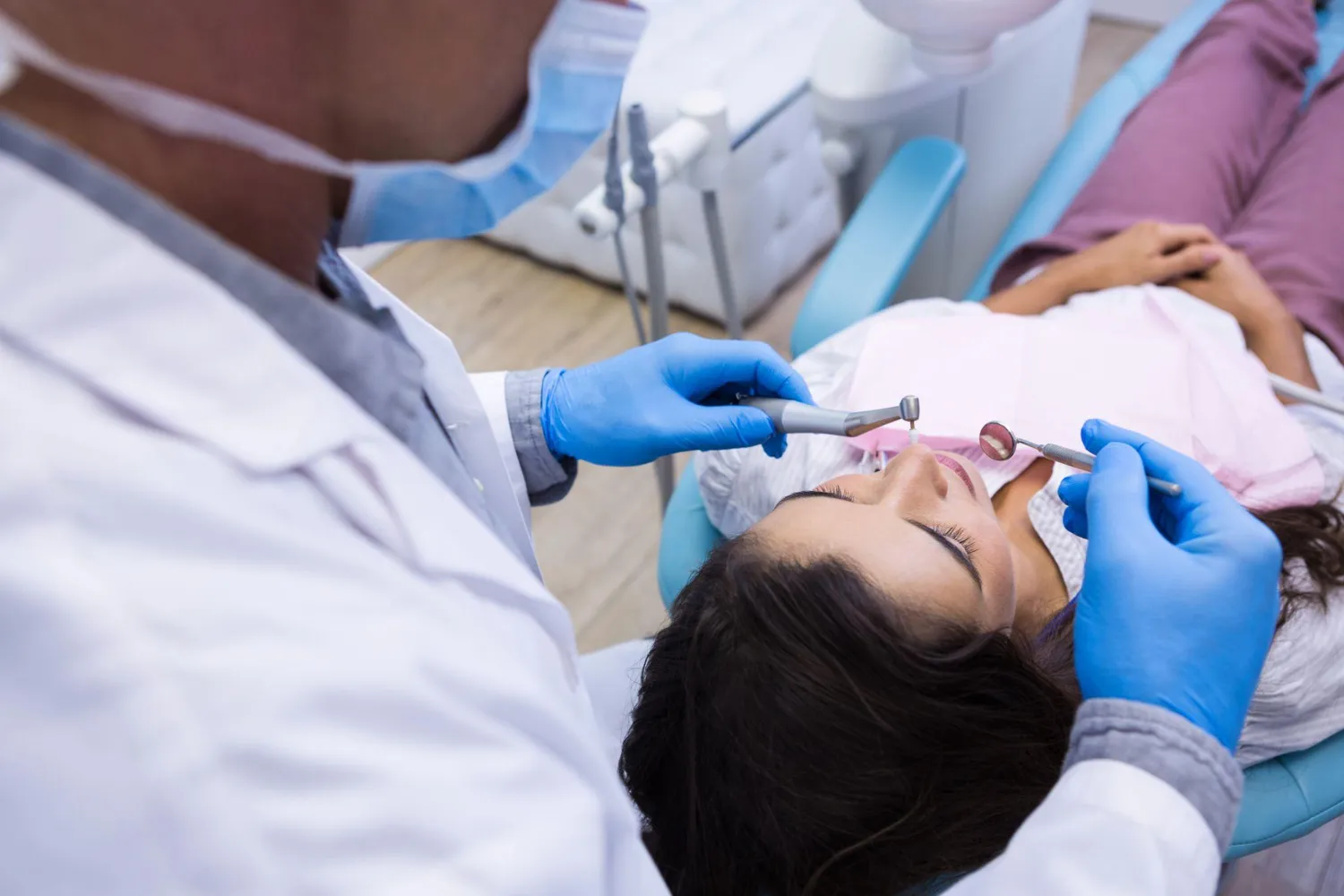
A dental emergency can turn an ordinary day into a painful and stressful experience. Sudden tooth pain, swelling, or damage often requires more than temporary home relief. Fast professional care can prevent a manageable problem from becoming a serious dental complication. An emergency dentist can also protect healthy tissue while preserving your natural smile. Knowing when and where to seek care helps you respond confidently when dental trouble appears.
When Dental Problems Need Immediate Care
Not every dental concern requires an urgent appointment, but some problems should never wait. Severe pain, uncontrolled bleeding, and facial swelling can signal conditions needing prompt professional attention. Dental trauma can also damage tissues that may worsen without timely treatment. Recognizing these warning signs helps you protect your teeth and avoid preventable complications.
Severe Tooth Pain and Dental Infections
Persistent tooth pain often signals decay, inflammation, infection, or damage beneath the tooth's surface. Pain that disrupts sleep or daily activities deserves prompt evaluation from a dental professional. An infected tooth may also cause swelling, fever, tenderness, or sensitivity when chewing. Without treatment, bacteria can spread to nearby tissues and cause more serious health concerns. Emergency dental care identifies the source rather than masking discomfort with pain medication. Treatment can reduce infection, relieve pressure, and improve the affected tooth's chance of survival.
Broken, Cracked, or Knocked-Out Teeth
A damaged tooth can expose sensitive inner structures and leave them vulnerable to bacteria. Cracks may also deepen when normal chewing pressure continues before professional treatment. A completely knocked-out permanent tooth creates an especially time-sensitive situation requiring immediate dental attention. Quick action may allow a dentist to reposition and stabilize the natural tooth successfully. Patients should avoid touching the root and keep the tooth moist while seeking care. Fast treatment can limit further damage and reduce the need for more extensive restorative procedures.
How Urgent Dental Care Protects Your Smile
Dental problems can progress quickly when professional treatment gets delayed. Immediate care addresses the underlying damage before it affects more teeth or surrounding tissues. It can also preserve natural tooth structure while restoring comfort and normal oral function. Several benefits explain why timely dental treatment can make a lasting difference to your smile.
Preserving the Teeth's Healthy Structure
Emergency treatment can protect damaged teeth before their condition becomes more difficult to manage. Quick evaluation gives the dentist more opportunities to preserve healthy structure and restore normal function. Timely treatment can also reduce complications that might otherwise lead to tooth removal. These benefits show how prompt dental attention can support lasting oral health.
Saving More of Your Natural Tooth Structure
Natural tooth structure supports comfortable chewing and helps maintain proper alignment throughout the mouth. A dentist can remove damaged areas while preserving healthy portions when possible. Depending on the damage, treatment may include bonding, fillings, crowns, or other restorative procedures. Preserving more natural structure can provide stronger support for the completed dental restoration. It can also reduce the need for more extensive procedures later. Early treatment gives the affected tooth a better opportunity to remain functional.
Preventing Tooth Loss After Dental Trauma
Dental injuries can loosen teeth or damage the tissues that hold them securely in place. Some injuries appear minor even when more serious damage exists below the gumline. A dental examination can identify fractures, movement, and other changes affecting tooth stability. X-rays may also reveal injuries involving the root or surrounding bone. Early stabilization can support healing while limiting unnecessary movement during recovery. Prompt treatment can therefore improve the chances of keeping an injured natural tooth.
Supporting Healthy Tooth Alignment
Losing a tooth can affect more than the space left behind. Nearby teeth may gradually shift toward the opening and change normal bite relationships. Timely dental treatment can sometimes preserve the damaged tooth before extraction becomes necessary. Keeping the tooth in place helps maintain natural spacing between neighboring teeth. Proper spacing also supports balanced chewing and easier daily oral hygiene. Protecting an injured tooth can therefore help maintain the wider structure of your smile.
Stopping Dental Infections From Spreading
Dental infections can worsen when bacteria remain inside a damaged or deeply decayed tooth. Prompt treatment targets the source before inflammation affects more surrounding tissue. Controlling infection can also protect nearby teeth, gums, and supporting bone from additional problems. Early professional attention therefore helps contain damage while preserving healthier areas of the mouth.
Treating an Abscess Before Damage Expands
A dental abscess develops when bacterial infection creates a pocket of pus around oral tissues. Patients may experience throbbing pain, gum swelling, tenderness, or an unpleasant taste. Some infections can also cause facial swelling, fever, or increasing sensitivity to pressure. A dentist can locate the infection and determine the best treatment to address its source. Treatment may involve drainage, root canal therapy, extraction, or another appropriate procedure. Prompt treatment can reduce further damage to tissues surrounding the infected area.
Protecting Healthy Gums and Supporting Bone
An untreated infection can extend beyond one tooth and affect tissues supporting nearby teeth. Continued inflammation may damage gums or bone when the underlying dental problem remains unresolved. Emergency treatment helps control the source before additional structures become involved. The dentist can also examine nearby tissues for signs that infection has started spreading. Early intervention may limit tissue damage and support healthier healing after treatment. Protecting these supporting structures helps maintain stronger foundations for the surrounding teeth.
Protecting Teeth After Unexpected Dental Trauma
Accidents can damage enamel, roots, gums, or supporting bone within seconds. Some injuries remain difficult to recognize without a professional dental examination. Prompt assessment helps address hidden problems before repeated pressure causes further damage. Early treatment can preserve both the function and appearance of teeth affected by trauma.
Repairing Chips and Fractures Before They Worsen
A chipped tooth may appear minor, although deeper fractures can expose sensitive dental layers. Exposed dentin may cause sensitivity and leave the tooth vulnerable to further damage. Larger fractures can extend toward the pulp, which contains nerves and blood vessels. A dentist can evaluate fracture depth and recommend treatment suited to the remaining structure. Treatment may involve bonding, fillings, crowns, root canal therapy, or another restorative option. Early repair can strengthen the tooth before everyday chewing causes the fracture to expand.
Stabilizing Loose or Displaced Teeth
Dental trauma can push a tooth away from its normal position or make it unstable. Continued movement may interfere with healing and add stress to supporting tissues. A dentist can examine the tooth, surrounding bone, and bite before deciding how to stabilize it. Treatment may involve repositioning the tooth and supporting it while damaged tissues recover. Follow-up appointments allow the dentist to monitor healing and identify complications early. Proper stabilization can improve the possibility of retaining the injured tooth.
Protecting Gums After an Oral Injury
Dental accidents often injure gums alongside teeth, especially during falls or direct impacts. Damaged gum tissue may bleed heavily because the mouth contains many blood vessels. A dentist can examine the wound and check for tooth fragments or other debris. The examination can also reveal nearby dental injuries that may not cause immediate symptoms. Appropriate treatment supports healing while reducing irritation around damaged teeth and gums. Addressing both hard and soft tissue injuries provides more complete protection after dental trauma.
Restoring Comfort While Treating the Cause
Dental pain can interfere with eating, sleeping, speaking, and concentrating throughout the day. Temporary pain relief may reduce discomfort without correcting the underlying cause. Emergency dental treatment identifies the source before determining the most appropriate solution. Treating that underlying problem can restore comfort while preventing continued damage to the affected tooth.
Finding the Source of Sudden Tooth Pain
Several dental conditions can produce similar pain even though they require different treatments. Deep decay, fractures, infection, exposed roots, and damaged restorations may all cause discomfort. A dentist evaluates symptoms alongside examination findings to identify the likely source. Diagnostic imaging may reveal hidden problems involving roots, bone, decay, or internal tooth structures. An accurate diagnosis allows treatment to address the actual condition rather than symptoms alone. Targeted care can relieve discomfort while reducing the likelihood of recurring dental pain.
Repairing Lost Fillings and Crowns Promptly
A lost filling or crown can expose weakened tooth structure to pressure and bacteria. The affected area may also become sensitive to temperature, sweets, or normal chewing. Continued use can increase fracture risk when the tooth no longer has adequate protection. A dentist can evaluate the remaining structure before repairing or replacing the restoration. Temporary protection may be appropriate when permanent treatment cannot happen during the same appointment. Prompt restoration can prevent additional damage while returning comfortable function to the affected tooth.
Reducing the Risk of Bigger Dental Repairs
Dental problems often become more complicated when necessary treatment gets postponed. Decay can deepen, fractures may spread, and infections can involve additional oral structures. Prompt treatment can interrupt that progression while more healthy tissue remains available for repair. Acting earlier may therefore reduce the extent of restorative work needed later.
Limiting Damage Before Treatment Becomes Complex
A small dental problem can require more extensive treatment after weeks or months of progression. Minor decay may eventually reach the tooth's inner pulp when bacteria continue spreading. A small fracture can also enlarge under repeated pressure from biting and chewing. Early dental care can address these problems while more natural structure remains healthy. Less extensive damage often gives the dentist more conservative treatment options. Timely attention can therefore protect the tooth from avoidable structural loss.
Protecting Nearby Teeth and Oral Tissues
Problems affecting one tooth can eventually influence neighboring teeth, gums, and supporting structures. Infection may spread through damaged tissues when its source remains untreated. Tooth loss can also create space that allows surrounding teeth to shift gradually. Prompt dental treatment helps limit these secondary changes before they create additional concerns. During urgent care, dentists can examine the bite, gums, bone, and neighboring teeth. Addressing the wider effects helps preserve stability throughout the surrounding area.
Preserve Your Smile With an Emergency Dentist
Dental pain or sudden damage can worsen when treatment waits too long. An emergency dentist can address the problem while more of your natural tooth remains repairable. Prompt care may also prevent complications that require longer, more involved dental treatment. Contact a qualified dental care provider quickly when your teeth show signs that can't wait.
Your smile deserves attention before a problem demands it. Browse the See Me Smile Dental blog for straightforward dental information you can use at home and between appointments.
