Sudden tooth sensitivity can make everyday things feel stressful, like sipping something cold or taking a bite of something sweet. If you’re searching for gentle guidance for sudden tooth sensitivity, you’re not alone.
At See Me Smile Dental & Orthodontics, we focus on calm, clear answers and gentle care that helps you feel supported from the first visit. We also use modern tools to keep treatment comfortable and efficient.
This page explains what sudden sensitivity can mean, common causes, simple ways to reduce discomfort, and when it’s time to get checked. Keep reading for practical tips and helpful FAQs.
What Causes Tooth Sensitivity to Develop Suddenly?
Tooth sensitivity often happens when the protective layers of your teeth get worn down or damaged. Sudden changes like biting hard foods, grinding your teeth, or even a recent dental procedure can set it off quickly.
Acidic foods and drinks, like soda or citrus, can weaken enamel and expose the inner layer called dentin. Sometimes, sensitivity appears because of gum recession, which exposes the roots of your teeth.
Cracked or chipped teeth can also cause sudden pain. Whitening products or brushing too hard may make your teeth more sensitive in a short time.
Common Symptoms to Recognize
Sudden tooth sensitivity feels like a sharp or stabbing pain when your teeth touch hot, cold, sweet, or sour things. You might notice discomfort when breathing in cold air or brushing your teeth.
Sometimes, the feeling lasts just a few seconds, but it can be strong enough to make eating or drinking unpleasant. You may also see signs like receding gums or feel rough spots on your teeth.
If a tooth suddenly hurts more than usual or the pain lasts longer, that might mean there’s a crack or an infection. Watch for swelling or redness in your gums near the sensitive tooth. Noticing these symptoms early helps you get care quickly and avoid more discomfort.
How Tooth Sensitivity Differs from Other Oral Issues
Tooth sensitivity is different from a toothache caused by decay or infection. Sensitivity usually comes as quick, sharp pain triggered by certain foods or drinks.
A toothache tends to be constant, dull, or throbbing and might get worse over time. If the pain stops when the trigger is gone, it’s probably sensitivity.
But if you feel pain even without touching the tooth or if swelling appears, it may be something more serious requiring urgent care. Sensitivity also differs from gum disease pain.
Gum problems usually cause soreness, bleeding, or swelling around the gums, not sharp tooth pain.
Gentle At-Home Steps for Immediate Relief
When sudden tooth sensitivity hits, simple changes at home can help ease your discomfort quickly. Paying attention to what you use on your teeth, how you brush, and what you eat makes a big difference.
Using Soothing Oral Care Products
Choose toothpaste designed for sensitive teeth. These products often contain ingredients like potassium nitrate or stannous fluoride that help calm nerve endings inside your teeth.
Using toothpaste that’s gentle and non-abrasive helps avoid making your sensitivity worse. Mouth rinses made for sensitive teeth can also add extra relief.
Look for alcohol-free versions that reduce irritation. Avoid whitening or harsh products until your sensitivity eases, as these can increase discomfort.
Try switching to a soft-bristled toothbrush to protect your gums and enamel. This small change helps reduce sensitivity caused by brushing too hard or with a rough brush.
Adopting Tooth-Safe Brushing Techniques
Brush your teeth gently using small, circular motions instead of back-and-forth scrubbing. This protects your tooth enamel and gum line, both of which can affect sensitivity if damaged. Use a soft toothbrush and avoid hard pressure. Let the brush do the work rather than pressing down.
Brush for two minutes twice a day, but don’t overdo it. That can wear down enamel. After brushing, rinse your mouth with water or a gentle fluoride rinse to help rebuild tooth defenses.
Make sure to floss carefully without snapping the floss, which can hurt your gums and worsen sensitivity.
The Role of Diet in Reducing Sensitivity
Certain foods make sensitivity worse, so limiting them helps. Avoid very hot or cold drinks, acidic foods like citrus and soda, and sugary snacks that can wear down enamel or trigger pain.
Drink water often to keep your mouth clean and balanced. If you consume acidic drinks, try drinking through a straw to lessen contact with your teeth.
Eating crunchy fruits and vegetables like apples and carrots can naturally clean your teeth and increase saliva, which protects enamel. Keeping a balanced diet supports your overall dental health and lowers sensitivity over time.
When to Seek Professional Dental Guidance
Knowing when to get help from a dentist can save you from bigger problems. Some signs of tooth sensitivity mean you should call your dentist soon. A dental check-up will help find the cause and offer gentle treatment that fits your needs.
Identifying Warning Signs That Need a Dentist
If your tooth sensitivity lasts more than a week or gets worse, it’s time to make an appointment. Sharp, sudden pain when you eat or drink hot, cold, or sweet things could mean a cavity or worn enamel.
Also, if you notice swelling, bleeding gums, or a bad taste in your mouth, these can point to infection or gum disease. Avoid ignoring these signs because early care stops problems from getting bigger.
What to Expect During a Dental Evaluation
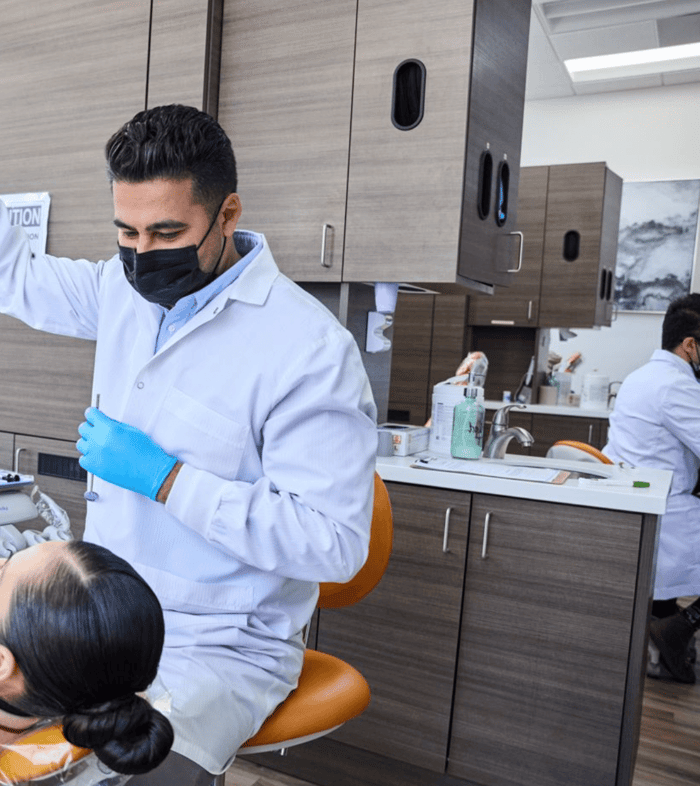
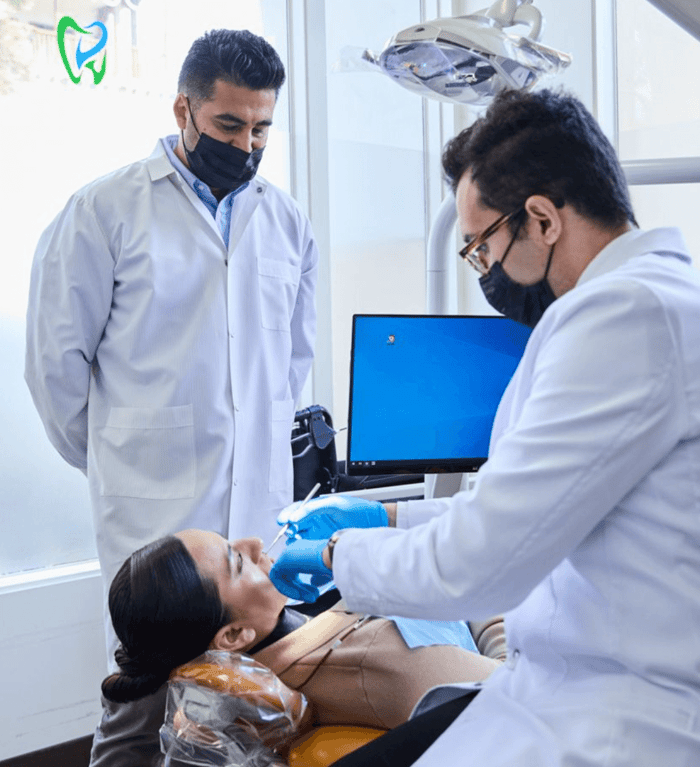
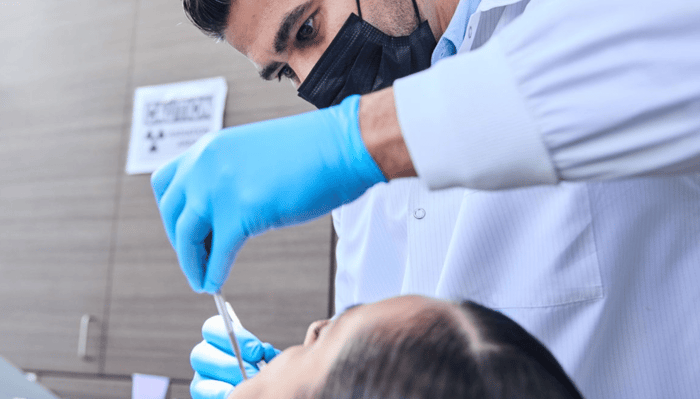
When you visit, the dentist begins with a gentle exam of your teeth and gums. They may use small tools or x-rays to see if there is decay, cracks, or other issues causing sensitivity.
You’ll get clear explanations so you understand what’s happening without any rush. The dentist will talk with you about your daily habits, like brushing, diet, and any recent changes that might affect your teeth.
After the exam, they’ll discuss treatment options that fit your comfort and lifestyle, focusing on long-term protection. The goal is to help your smile feel healthy and comfortable.
Long-Term Strategies for Preventing Tooth Sensitivity
To keep your teeth healthy and reduce sensitivity over time, focus on good daily habits and protect your teeth from damage. These steps help strengthen your teeth and prevent problems before they start.
Daily Oral Hygiene Habits to Adopt
Brush your teeth gently twice a day using a soft-bristled toothbrush. Avoid scrubbing hard, which can wear down your enamel and cause sensitivity.
Use fluoride toothpaste to help strengthen your teeth and protect the enamel. Floss daily to remove plaque and food particles between your teeth.
This keeps your gums healthy and helps prevent gum recession, which can expose sensitive areas. Limit acidic foods and drinks, like soda and citrus, because they can wear down enamel.
Rinse your mouth with water after eating these to reduce their effect. Drinking plenty of water throughout the day also helps keep your mouth clean and supports strong teeth.
Protecting Your Teeth from Damage
Avoid habits that can harm your teeth, like nail biting, chewing ice, or grinding your teeth. These actions can cause cracks or wear that lead to sensitivity.
If you grind your teeth at night, ask your dentist about a night guard. This device protects your teeth from damage while you sleep.
Wear a mouthguard if you play sports to prevent injuries. Injuries can weaken your teeth and lead to sensitivity.
Lifestyle Tips for Comfort and Confidence
Taking simple steps in your daily routine helps manage tooth sensitivity. You can protect your teeth while still enjoying meals and feeling good about your smile.
Balancing Hot and Cold Foods
Extreme temperatures can trigger sensitivity. Try to avoid very hot drinks like coffee or tea and very cold foods such as ice cream or icy drinks.
If you want a hot meal or cold treat, bring it to a comfortable temperature before you eat. Eat softer foods that don’t require a lot of chewing to reduce irritation around sensitive teeth.
You can also rinse your mouth with lukewarm water after eating to help soothe your teeth. If you notice certain foods cause sharp pain, keep a small food diary.
This helps you spot patterns and avoid triggers easily.
Stress Reduction for Better Oral Health
Stress can affect your oral health by causing teeth grinding or clenching, which worsens sensitivity. Try relaxation techniques like deep breathing, meditation, or gentle stretching to keep stress low.
Make sure to get enough rest and stay hydrated. Both help your body repair and maintain healthy gums and teeth.
If you’re worried about stress-related teeth issues, talking to your dentist about stress-related concerns can lead to solutions like night guards or other gentle care options. Sometimes support helps your smile stay comfortable and confident.
A Comfortable Next Step For A Healthier Smile
Sudden sensitivity can be frustrating, but the right habits can support comfort, function, confidence, and long-term oral health.
If you need personal answers, See Me Smile Dental & Orthodontics can evaluate what’s causing your symptoms and explain options in a calm, clear way in Santa Barbara.
For gentle guidance for sudden tooth sensitivity, consider scheduling a visit when you’re ready. Call our Santa Barbara office or request an appointment for supportive care.
Frequently Asked Questions
How Can I Quickly Alleviate Pain From Sensitive Teeth?
Rinse your mouth with warm salt water to reduce irritation. Avoid very hot, cold, or sweet foods until the sensitivity calms down. Using a soft-bristled toothbrush gently without pressing hard can also help prevent more discomfort.
What Could Cause My Two Front Teeth to Become Sensitive Without Warning?
You might have worn enamel from brushing too hard or recent whitening treatments. Sometimes, gum recession near those teeth exposes the roots, causing sharp sensitivity. Trauma or small cracks can also make front teeth feel suddenly sensitive.
What Are Some Reasons for a Single Tooth to Suddenly Feel Sensitive?
A cavity or tiny crack in the tooth can let hot or cold reach the layer beneath. It could also be a sign of mild infection or irritation at the tooth root. Sometimes grinding your teeth at night causes pressure that leads to sensitivity.
Are There Toothpastes Available That Help With Reducing Sensitivity?
Yes, toothpastes with ingredients like potassium nitrate or stannous fluoride can block pain signals. Using these consistently can improve how your teeth feel over weeks. Be sure to use the toothpaste as directed and check with your dentist if it doesn’t help.
What Methods Are There to Help Teeth That Are Suddenly Sensitive to Cold?
Avoid cold drinks, and a straw can sometimes make a difference. Drinking water at room temperature can help with sudden, sharp zings, too. Try a sensitivity toothpaste if you haven’t already. A fluoride rinse can help as well, especially if your dentist recommends it.
What Treatments Exist to Address Unexpected Tooth Sensitivity?
A dental checkup can spot issues like decay, cracks, or gum problems that cause sensitivity. Your dentist might apply fluoride treatments or sealants to protect your teeth. Sometimes you’ll need a filling or a root canal to stop ongoing pain. Many dental teams focus on comfort while working to reduce sensitivity.