
Losing a tooth affects much more than your appearance. Everyday activities like eating, speaking, and smiling can gradually become less comfortable, especially if the gap remains untreated. Many people compare a dental bridge and a dental implant because both restore missing teeth, yet they work in very different ways. The right solution depends on your oral health, long-term goals, lifestyle, and budget. Understanding how each option works makes it easier to choose a treatment that supports both your smile and your future dental health.
Quick Answer: Dental Bridge or Implant?
A dental bridge replaces missing teeth by attaching an artificial tooth to neighboring teeth, while a dental implant replaces both the missing tooth root and the visible crown. Bridges usually require less treatment time and cost less upfront, whereas implants often last longer and help preserve the jawbone. The better choice depends on factors such as bone health, surrounding teeth, treatment goals, and your dentist's recommendations.
Understanding Tooth Replacement Options
Replacing a missing tooth improves daily comfort and helps protect your long-term oral health. Although bridges and implants achieve the same goal, they do so through different treatment approaches. Learning how each restoration works creates a clearer foundation before comparing their benefits and limitations.
What is a Dental Bridge?
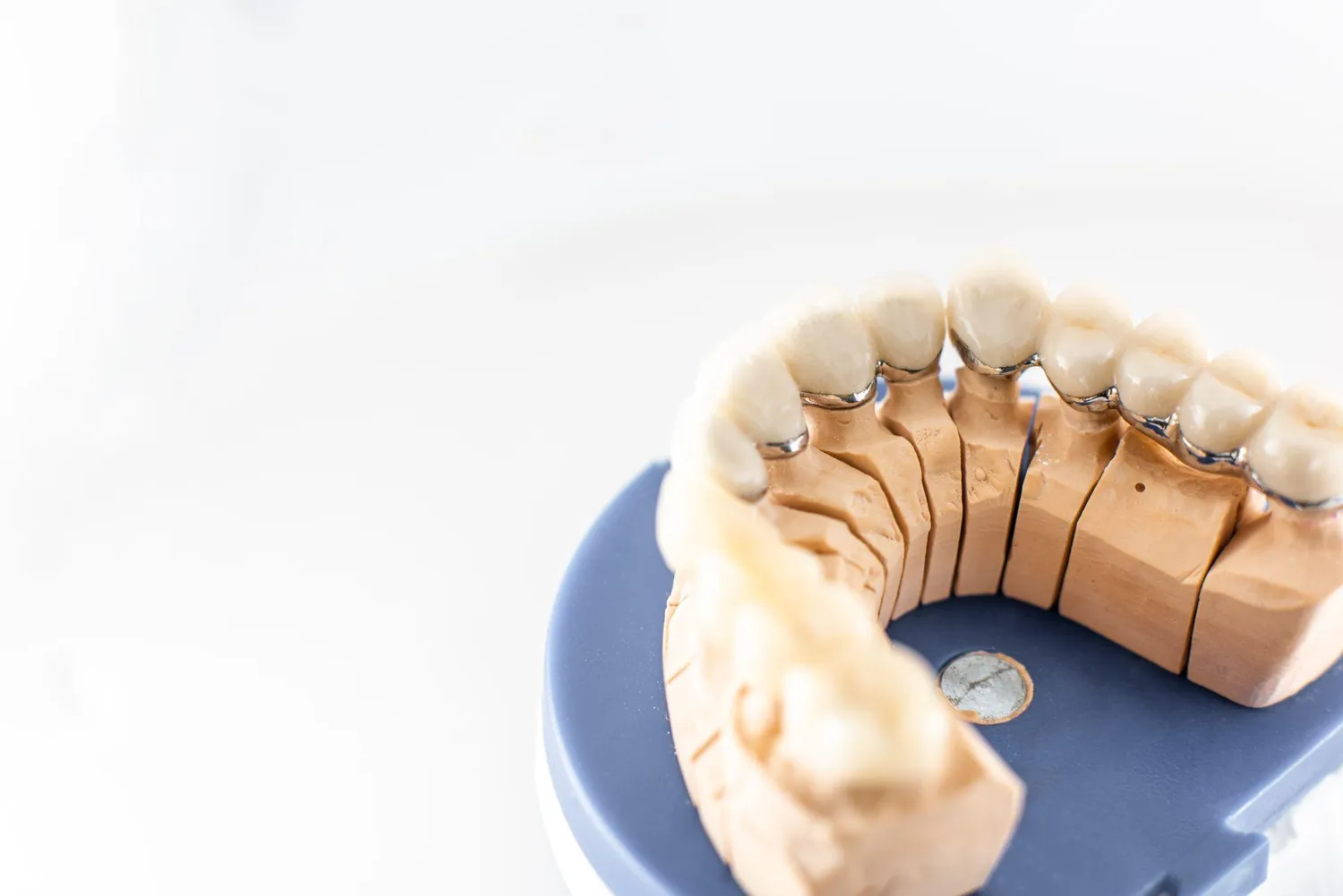
A dental bridge fills the space left by one or more missing teeth using one or more artificial teeth called pontics. These replacement teeth attach to dental crowns placed over the natural teeth beside the gap, allowing the bridge to stay securely in position. Because the supporting teeth provide stability, the dentist prepares them before placing the final restoration. Most bridges require only a few appointments, making them a practical choice for people seeking a faster treatment timeline. Once completed, the bridge restores chewing ability, improves speech, and creates a natural-looking smile. Many patients choose this option because it combines reliable function with a relatively straightforward treatment process.
What is a Dental Implant?
A dental implant replaces the missing tooth from the root up, rather than restoring only the visible portion. During treatment, the dentist places a small titanium implant into the jawbone, where it gradually bonds with the surrounding bone through a natural healing process called osseointegration. After healing is complete, an abutment connects the implant to a custom-made dental crown that closely matches the surrounding teeth. Because the implant stands independently, nearby healthy teeth remain untouched throughout treatment. This design creates excellent stability while helping maintain the natural shape of the jawbone. Many patients appreciate implants because they closely resemble the look and feel of natural teeth.
Differences Between a Dental Bridge and an Implant
Choosing between a dental bridge and a dental implant involves more than replacing a missing tooth. Each option differs in daily function, treatment timeline, long-term durability, cost, and its impact on your oral health. Looking at these differences side by side helps you understand what to expect before deciding. The following comparisons explain how each treatment performs in the areas that matter most to patients.
Daily Function and Comfort
Daily comfort often determines how satisfied someone feels after treatment. Eating, speaking, and smiling should feel natural without requiring constant adjustments. Looking beyond appearance helps you understand how each restoration performs over time.
Eating and Speaking Performance
A dental bridge restores chewing function soon after placement because healing time remains relatively short. Most patients quickly return to eating many of their favorite foods with only minor adjustments during the first few days. Dental implants usually provide an even more natural chewing experience because the implant anchors directly into the jawbone. This stable foundation reduces movement while biting into firmer foods and helps many patients feel more confident during meals. Clear speech also becomes easier because both restorations fill the missing space that previously affected pronunciation. Although each treatment performs well, implants often feel closest to natural teeth during everyday use.

Appearance and Natural Feel
Modern dental materials allow both bridges and implants to blend naturally with surrounding teeth. Dentists carefully match each restoration to the size, shape, and color of the patient's smile for a balanced appearance. A bridge creates the look of complete teeth by spanning the space between neighboring teeth. An implant creates an even more natural appearance because the crown emerges through the gum tissue much like an original tooth. Most people cannot distinguish either restoration from healthy natural teeth after treatment is complete. Personal preference often determines which solution feels more comfortable in everyday life.
Jawbone Health and Preservation
A missing tooth changes more than the appearance of your smile because the jawbone also responds to the loss. One of the biggest differences is how a bridge and an implant interact with the bone. Understanding this difference helps explain why dentists may recommend one treatment over the other.
Bone Changes After Tooth Loss
The jawbone depends on regular chewing pressure to stay healthy and maintain its shape. After a tooth is lost, the bone beneath that space gradually shrinks because it no longer receives that natural stimulation. This process can continue for years and may eventually affect nearby teeth and facial appearance. Replacing the visible tooth improves function, but it does not always stop the bone from changing underneath. The amount of bone loss varies from person to person and depends on several health factors. A dental examination helps determine how much bone remains before treatment begins.
Why Implants Help Preserve Bone
A dental implant acts like an artificial tooth root after it heals within the jawbone. Every time you bite or chew, gentle pressure passes through the implant and into the surrounding bone. That stimulation helps the jaw maintain its strength and natural shape over time. A dental bridge restores the missing tooth above the gums, but it does not replace the lost root beneath them. Bone loss may still occur under the bridge even though the restoration continues functioning well. Patients looking for a long-term solution often consider this benefit when comparing treatment options.
Treatment Process and Recovery Timeline
The treatment journey differs considerably between a bridge and an implant. Knowing what to expect helps patients prepare for each appointment and recovery period. A realistic timeline also makes planning around work, family, and daily responsibilities much easier.
Getting a Dental Bridge
Receiving a dental bridge usually takes two or three visits over several weeks. During the first appointment, the dentist reshapes the supporting teeth so that dental crowns can fit securely. The dentist then takes impressions to create a custom bridge that matches the surrounding teeth. A temporary bridge protects the prepared teeth until the permanent restoration is ready. Once the final bridge is cemented into place, most patients return to their normal routines within a day. Mild sensitivity often fades quickly as the mouth adjusts to the new restoration.
Getting a Dental Implant
Dental implant treatment begins with placing a titanium post into the jawbone during a minor surgical procedure. Healing takes several months because the bone gradually bonds with the implant through a natural process called osseointegration. Some patients receive a temporary tooth while waiting for the implant to heal completely. After healing, the dentist attaches an abutment and secures the custom-made crown. Although the overall process takes longer than a bridge, the final result provides exceptional stability. Patients often find the additional treatment time worthwhile because of the long-term benefits.

Long-Term Durability and Maintenance
Most people want a restoration that remains dependable for many years. The lifespan of a bridge or implant depends on oral hygiene, regular dental care, and overall health. Daily habits often influence long-term success just as much as the treatment itself.
How Long Does a Dental Bridge Last?
A well-made dental bridge often lasts between ten and fifteen years, although some remain functional much longer. Keeping the supporting teeth healthy plays a major role in extending its lifespan. Brushing twice daily removes plaque that collects around the crowns and gumline. Floss threaders or other specialized cleaning tools help remove food beneath the bridge. Professional cleanings provide another layer of protection by removing hardened plaque that brushing cannot reach. Consistent care helps the bridge remain comfortable and attractive for many years.
How Long Does a Dental Implant Last?
Dental implants often remain in place for decades with proper care. The titanium implant itself rarely needs replacement after successful healing. The dental crown may eventually wear down and require replacement because of normal use. Brushing, flossing, and routine dental visits protect the surrounding gum tissue from infection. Healthy gums provide the support needed for long-lasting implant success. Maintaining good oral hygiene helps protect your investment over the long term.
Cost and Long-Term Value
Cost often becomes one of the first questions people ask when comparing tooth replacement options. The initial price matters, but long-term value deserves equal attention before you decide. Looking at both short-term and future expenses provides a more complete picture of each treatment.
Upfront Costs and Insurance
Dental bridges generally cost less than dental implants because they do not require surgery or months of healing. Treatment usually finishes sooner, which can also reduce some related expenses. Dental implants involve additional procedures, specialized materials, and multiple appointments, making the initial investment higher. Insurance plans vary widely, so coverage for bridges, implants, or related procedures depends on the policy. Reviewing your benefits before treatment helps prevent unexpected costs. Your dental office can often explain available coverage and payment options before work begins.
Which Option Offers Better Long-Term Value?
The lower initial cost of a bridge does not always make it the less expensive option over time. Bridges may eventually need replacement, particularly if the supporting teeth develop problems. Dental implants often remain functional for decades with proper care, reducing the likelihood of replacing the entire restoration. Their ability to preserve jawbone health may also help prevent future treatment needs related to bone loss. Every situation differs because oral health, age, and personal habits influence long-term outcomes. Comparing lifetime value, not just the starting price, often leads to a more informed decision.
Find Your Best Tooth Replacement Option
A missing tooth can affect your oral health more than you might expect if treatment is delayed. Comparing a dental bridge and an implant provides valuable insight, but a trusted dental provider can recommend the option that best fits your smile, lifestyle, and long-term goals. Scheduling a consultation today gives you the information and personalized care needed to restore comfort, function, and confidence with the treatment that works best for you.
Curious about your dental care options? The See Me Smile blog offers helpful resources, expert tips, and easy-to-understand guidance designed to support healthier smiles at every stage.
